
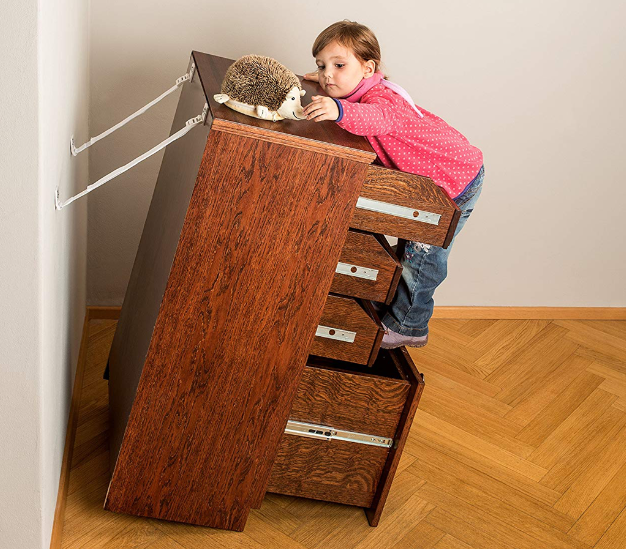
Ensuring the safety of your home is crucial, especially when young children are involved. One often overlooked aspect of child safety is securing furniture to prevent tipping and accidents. In this blog post, we’ll explore the best furniture anchors available for keeping your little ones safe while also maintaining a stylish decor.
1. The Importance of Furniture Anchors
Furniture anchors are essential tools that protect children from furniture-related accidents. As toddlers explore their environment, they’re naturally curious and might climb on or pull furniture. Heavy pieces like bookshelves, dressers, or cabinets can easily tip over, posing serious risks of injury. Installing anchors mitigates these dangers by securing furniture to walls or floors.
Another benefit is the peace of mind they provide parents. Knowing that their child can freely explore a space without the constant worry of furniture tipping allows for a more relaxed environment. Regularly assessing the stability of furniture and using effective anchoring methods ensures long-term safety for active households.
-
- Choose furniture that is sturdy and appropriate for your child’s age.
-
- Regularly inspect anchors to ensure they remain secure.
-
- Educate children about the dangers of climbing on furniture.
-
- Keep heavy items on lower shelves to reduce tipping risks.
2. Types of Furniture Anchors
There are several types of furniture anchors available on the market, each designed for different furniture pieces and needs. For example, L-brackets provide a strong hold for heavier furniture like dressers and bookshelves, allowing you to secure the furniture to the wall without compromising aesthetic appeal. Moreover, many of these brackets are made from materials like steel, ensuring robustness and durability.
Strap anchors are another popular choice, especially for taller units. These straps usually consist of a durable nylon material that attaches between the furniture and the wall, evenly distributing weight and preventing tipping. Each type of anchor has its unique advantages, so it’s essential to select the type best suited for your specific furniture and home layout.
-
- Consider the weight and height of the furniture piece.
-
- Choose anchors made from high-quality materials for longevity.
-
- Follow the manufacturer’s instructions when installing anchors.
-
- Use multiple anchors for larger or heavier furniture for added safety.
3. Installing Furniture Anchors
The installation process for furniture anchors might seem daunting, but with a few simple steps, you can enhance home safety quickly. First, select the furniture piece you want to secure and decide on a suitable location against the wall. Gather necessary tools such as a stud finder, drill, and measuring tape. Ensure you’re anchoring into wall studs for maximum stability—not just drywall.
Next, mark the spots where the anchors will be attached, drill pilot holes, and then secure the anchors firmly. Double-check the secure fit of both the anchor and the furniture. After installation, it’s important to regularly inspect the anchors to ensure they remain tight and effective over time.
-
- Gather necessary tools before starting the installation.
-
- Locate the wall studs using a stud finder.
-
- Follow all safety precautions while using power tools.
-
- Regularly check the anchors for wear and tear.
-
- Reinforce any loose connections immediately.
4. Recommended Brands for Furniture Anchors
Not all furniture anchors are created equal, so it’s vital to invest in high-quality brands. One such brand is Safety 1st, known for its reliable safety solutions. Their adjustable strap anchors are easy to install and are designed to work with various furniture types, providing flexible options for securing furniture.
Another excellent choice is the Hangman Reversible Furniture Straps, which can be used in various settings and offer great flexibility. These straps are easy to install and can hold significant weight, making them a favorite among parents. Look for brands that offer user-friendly installation guides as well.
-
- Research brands with good customer reviews and ratings.
-
- Look for warranty options to ensure product reliability.
-
- Consider the ease of installation for your DIY efforts.
-
- Shop for additional safety features like quick-release mechanisms.
5. Additional Safety Measures
While furniture anchors are essential, they should be part of a comprehensive safety strategy. Consider additional measures like corner guards and outlet covers to further enhance safety in your home. These simple updates can prevent injuries from sharp edges and electrical hazards, contributing positively to a child-safe environment.
Moreover, maintaining a tidy play area can reduce accidents associated with slips and trips. Regularly clearing space and organizing toys can help kids play safely and keep them away from unsecured furniture. Always supervise young children while they play or explore new areas in your home for additional safety.
-
- Implement a regular cleaning routine to unclutter play areas.
-
- Install corner guards on sharp furniture edges.
-
- Use outlet covers for exposed electrical sockets.
-
- Teach children about safe play areas and equipment.
In conclusion, investing in good furniture anchors is a small change that can dramatically enhance your child’s safety at home. Take action today by securing your furniture and evaluating additional measures to protect your little ones as they explore their environment. Your proactive steps could prevent accidents and provide peace of mind for your family.