
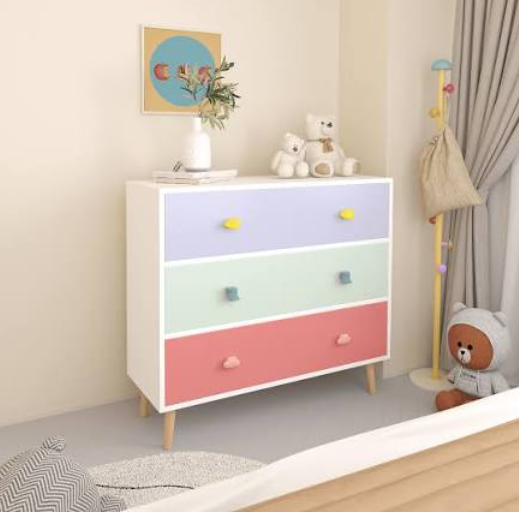
When it comes to creating a safe environment for your children, furniture choices play a crucial role. Child-safe dressers are an essential addition to kids’ bedrooms, ensuring not just organization but also optimal safety. In this blog post, we will explore key features, materials, and safety practices to consider when selecting dressers for your little ones.
1. Essential Safety Features
When choosing a dresser for your child’s bedroom, it’s important to look for specific safety features that minimize risks. One of the most vital features is stability. Look for dressers that have anti-tip mechanisms, which secure the furniture to the wall. This prevents the dresser from falling over if your child climbs on it or while playing nearby.
Another important aspect is rounded edges. Dressers with soft corners can significantly reduce the risk of injuries from accidental bumps. Additionally, ensure that drawers have stoppers; this prevents them from coming out completely and potentially falling on your child. Many dressers now come with built-in locks for drawers, keeping hazardous materials like medications or cleaning supplies secure.
-
- Always check for anti-tip devices.
-
- Opt for dressers with rounded edges.
-
- Look for drawers with stoppers.
-
- Consider models with locking mechanisms.
-
- Read safety ratings before purchasing.
2. Non-Toxic Materials
The materials used in furniture can significantly affect your child’s health. It’s crucial to select dressers made from non-toxic materials free of harmful chemicals such as formaldehyde. Look for products that are certified by organizations like GREENGUARD, indicating that the furniture has low chemical emissions. Solid wood options, such as maple or birch, are often safer alternatives compared to particleboard or MDF, which might contain harmful substances.
In addition to wood choices, consider the finishing materials used on the dresser. Water-based, non-toxic paints or stains can help minimize exposure to harmful chemicals. Spending a little extra time researching materials can make a big difference in creating a safe space for your child to grow and play.
-
- Choose dressers made from solid wood.
-
- Look for GREENGUARD-certified products.
-
- Avoid synthetic materials like particleboard.
-
- Check for water-based, non-toxic finishes.
-
- Read reviews about the material’s safety.
3. Smart Storage Solutions
A child-safe dresser isn’t just about minimizing hazards; it should also promote organization and ease of use. Look for dressers that have a combination of drawers and shelves. This setup allows you to store a variety of items, from clothes to toys, helping to declutter the room and make it easier for your child to find what they need.
Additionally, consider the height and layout. A dresser that is easy for your child to access encourages them to take responsibility for their belongings. Drawers that glide easily can minimize frustration and accidents. Some models even feature open shelving, allowing for easy visibility of items stored on top while providing a space for decorative elements.
-
- Choose dressers with a mix of shelves and drawers.
-
- Look for units that are at a child-friendly height.
-
- Ensure drawers glide smoothly.
-
- Consider open shelving for visibility.
-
- Use labels to help with organization.
4. Maintaining Safety and Organization
Buying a child-safe dresser is just the beginning; proper maintenance is crucial. Regularly check the dresser to ensure that it is anchored and has not become wobbly. Teach your child about the importance of keeping the dresser organized; this not only ensures safety but also encourages good habits.
Establish a routine for decluttering the dresser. Involve your child in going through their belongings; this not only makes the task fun but also teaches them to take responsibility for their space. Create a system that allows for easy access to items so that children don’t have to dig through messy drawers.
-
- Regularly check for stability and safety features.
-
- Involve your child in organizing their dresser.
-
- Create a weekly decluttering routine.
-
- Designate spaces for different items.
-
- Encourage keeping frequently used items at accessible heights.
In conclusion, investing in child-safe dressers is a crucial part of ensuring your child’s safety and comfort in their bedroom. By selecting models with essential safety features, made from non-toxic materials, and maintaining organization, you can create a space that fosters not just safety but also learning and independence. Take the next step by evaluating your current furniture, and don’t hesitate to consult with professionals for tailored advice.