
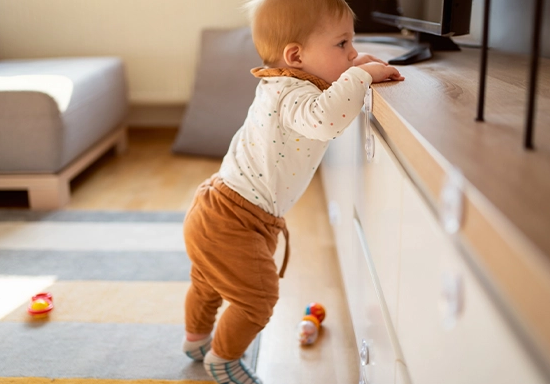
Creating a safe environment for children is a priority for every parent or caregiver. One often overlooked aspect of child safety is securing furniture to prevent tipping, which can lead to serious accidents. In this blog post, we will discuss effective strategies to anchor furniture for child safety.
1. Understanding the Importance of Anchoring Furniture
Furniture anchoring is crucial, especially in homes with active toddlers or adventurous little ones. According to the American Academy of Pediatrics, furniture tip-overs result in thousands of injuries each year, many of which can be prevented. When children climb, pull, or lean on furniture, unsecured items can easily topple over, posing a significant risk of injury.
Securing heavy furniture such as bookshelves, dressers, and TV stands can greatly reduce the risk of accidents. Parents should be aware of how unstable certain pieces can be. For instance, a tall bookshelf is more prone to tipping when a child tries to reach for an item on a higher shelf. Thus, it’s crucial to take proactive steps in anchoring these items to the wall.
-
- Assess high-traffic areas in your home.
-
- Identify heavy furniture that poses a tipping risk.
-
- Research local statistics on furniture-related injuries.
-
- Involve your children in safety discussions.
2. Choosing the Right Anchoring Method
Different types of furniture require different anchoring methods. For instance, a dresser may need to be secured using wall anchors, while a television stand may benefit from anti-tip straps. It’s essential to choose an anchoring method appropriate for the specific piece of furniture to ensure maximum effectiveness.
Wall anchors come in various styles, including toggle bolts, screw anchors, and L-brackets. A toggle bolt is suitable for drywall, whereas a screw anchor is better for wood. For larger furniture, L-brackets provide a strong hold against both the wall and the furniture. Assess the weight and height of your furniture to select the most suitable anchoring solution.
-
- Determine the weight of your furniture piece.
-
- Choose a suitable anchoring method based on material.
-
- Follow the manufacturer’s installation instructions.
-
- Check for quality; choose durable materials.
3. Installing Anchors Effectively
Once you have chosen the right anchoring method, the installation process should begin. Start by marking the location for the anchors, ensuring they are level and securely placed in line with the stud or wall. If your wall has drywall, use a stud finder to locate the wooden studs for a more secure hold.
It’s essential to follow the instructions carefully during installation. For instance, when using L-brackets, you’ll want to attach one side to the wall and the other to the furniture. After tightening the brackets, give the furniture a gentle shake to ensure it is properly secured. This step will help you recognize any potential weaknesses in your installation.
-
- Use a level to ensure your anchors are straight.
-
- Keep your tools accessible to avoid interruptions.
-
- Double-check the fit before tightening down.
-
- If unsure, consult online safety videos for guidance.
4. Regular Maintenance and Re-assessment
After anchoring furniture, regular maintenance is essential to ensure ongoing safety. Over time, furniture may shift, and anchors can loosen, especially if the furniture is frequently accessed by small, climbing hands. Regularly checking your anchors for tightness can prevent accidents in high-traffic areas.
It’s also wise to re-evaluate the safety of your furniture anchoring system as your child grows and their exploratory behavior changes. What may have been secure last year might not be sufficient as your child learns to climb or reach for items at a higher level. Regular adjustments will keep your home safe as your child becomes more adventurous.
-
- Establish a routine to check furniture anchors at least twice a year.
-
- Look for signs of wear and tear, such as rust or loosening screws.
-
- Consider adjusting anchors as furniture is rearranged.
-
- Involve older children in regular safety checks to foster awareness.
In conclusion, securing furniture is a critical step in promoting child safety in any home. By understanding the importance of anchoring, selecting the right methods, and maintaining them regularly, you can create a more secure environment for your little ones. Take the time now to check and anchor your furniture, ensuring the safety of your cherished family members.