
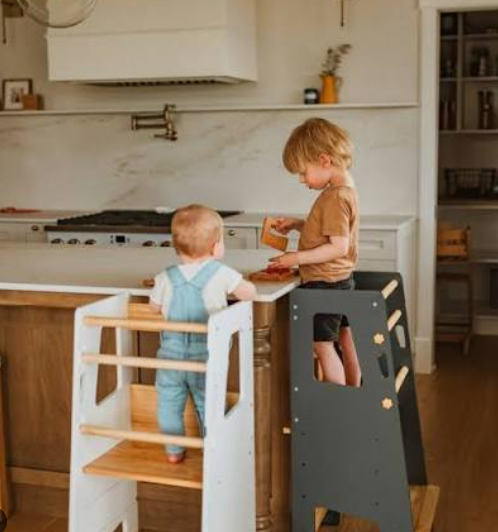
As children grow, their furniture needs change, and adjustable kids furniture can be a fantastic solution. However, safety should always be a priority when selecting and using these pieces. This guide will highlight key factors to consider to ensure your child’s furniture is both functional and safe.
1. Choose Age-Appropriate Designs
When selecting adjustable furniture for your child, it’s important to choose designs that cater to their age group. For instance, a desk that adjusts in height is beneficial for a growing child, but it should also be easy for them to operate. Choosing styles specifically designed for children will help them feel more comfortable and promote proper posture.
Ensure the furniture you choose features rounded edges and non-toxic materials. Children are known for their curiosity, and furniture that is safe and suitable for their developmental stage can help alleviate risks of injury. Look for certifications in safety standards to ensure that the materials used are safe.
-
- Research brands that specialize in children’s furniture.
-
- Check for age recommendations on product labels.
-
- Opt for furniture with soft, rounded edges.
-
- Look for safety certifications like ASTM or CPSC.
2. Stability and Weight Distribution
Stability is paramount when selecting adjustable furniture for kids. Because children can be quite active, furniture that wobbles or tips can pose serious threats to their safety. When searching for items such as chairs or desks, ensure that they have a solid foundation and are designed with an even weight distribution to prevent tipping.
Another factor to consider is the weight of the furniture itself. Heavier items are less likely to be knocked over during playtime. Adjustable features should also lock securely in place to avoid unexpected shifts in height, which can cause accidents if a child is climbing on or adjusting the furniture.
-
- Test stability before purchase; ensure it doesn’t wobble.
-
- Choose heavier furniture for added stability.
-
- Ensure adjustable mechanisms lock firmly in place.
-
- Consider furniture with width and height proportions suitable for your child’s size.
3. Regular Maintenance and Inspection
Regular maintenance is essential to ensure the long-term safety of adjustable furniture. Check for wear and tear periodically, such as loose screws or torn upholstery, which can significantly impact safety. By keeping up with these inspections, you can reinforce a safe environment for your child.
Teach your children the importance of not climbing on their furniture or using it for activities other than intended. Setting clear boundaries can prevent accidents and help them respect their space. Moreover, should you notice any damages, fix them immediately to avoid potential injuries.
-
- Set a regular schedule for inspections, such as monthly.
-
- Fix or replace any damaged parts promptly.
-
- Encourage children to treat their furniture with care.
-
- Document any repairs or adjustments for future reference.
4. Personalize and Engage Your Child
Involving your child in selecting their adjustable furniture can also enhance safety. When children feel a part of the decision-making process, they are more likely to treat the items with respect. Additionally, tailoring the furniture to their preferences can make them more engaged in using it appropriately, reducing the likelihood of misuse.
Select colors and designs that resonate with your child’s personality but also suit the room’s decor. Furniture with compartments or additional storage can teach kids to maintain an organized space, which is beneficial for their safety and tidiness. Consider fun designs for younger kids that encourage play but also have safety in mind.
-
- Involve your child in choosing colors and styles.
-
- Integrate storage options to promote organization.
-
- Choose designs that inspire creativity but maintain safety features.
-
- Encourage them to keep their furniture tidy and in good condition.
In conclusion, selecting adjustable kids furniture involves careful consideration of safety factors that will support your child’s growth and well-being. By making informed decisions, conducting regular maintenance, and engaging your child in the process, you can create a safe and supportive environment. Don’t hesitate to consult professionals or seek advice if you’re unsure about the best choices for your home.