
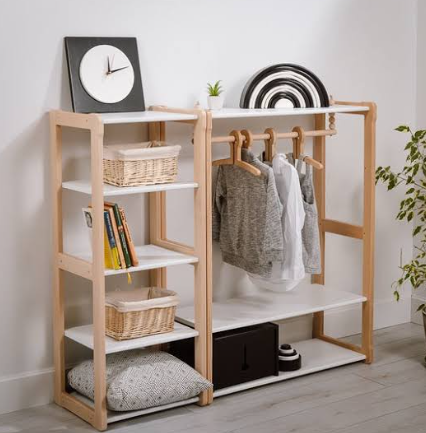
Creating a welcoming and safe environment for your child includes selecting the right furniture, particularly wardrobes. Child safe wardrobes not only offer functional storage but also ensure the safety of your little ones. Here, we explore essential tips for choosing and organizing wardrobes suitable for children’s rooms.
1. Choosing the Right Materials
When selecting a wardrobe for your child’s room, opting for non-toxic and sturdy materials is paramount. Look for wardrobes made from solid wood or eco-friendly composite materials that are free from harmful chemicals such as formaldehyde. These materials are not only safe for your child but also durable, ensuring they can withstand the wear and tear that often comes with a child’s active lifestyle.
Additionally, consider furniture that has rounded edges and smooth finishes to reduce the risk of injury. Avoid glass doors or areas that can easily shatter. Soft-closing mechanisms on doors can add an extra layer of safety, minimizing pinching hazards while encouraging independence as your child learns to navigate their own space.
-
- Opt for solid wood or eco-friendly composite materials.
-
- Choose non-toxic finishes for additional safety.
-
- Prioritize rounded edges and smooth surfaces.
-
- Avoid glass elements that could pose injury risks.
-
- Look for soft-closing mechanisms to prevent pinching.
2. Organizing for Accessibility
Proper organization within a wardrobe can drastically improve usability and safety for your child. Install adjustable shelves and lower rods to make it easier for your child to reach their clothes and belongings. Providing bins or baskets at lower levels can encourage kids to contribute to their organization and foster a sense of responsibility for their things.
Clearly labeling bins and organizing items by category—like pants, shirts, toys, and shoes—can help your child find what they need quickly and effortlessly. Color-coded labels can also make the identification process fun and engaging, transforming wardrobe clean-up into an exciting activity rather than a chore.
-
- Install adjustable shelves to cater to your child’s height.
-
- Use bins and baskets for easily accessible organization.
-
- Label items clearly with color-coded tags.
-
- Rotate contents seasonally for better organization.
-
- Teach your child to put things back after use.
3. Secure Your Wardrobe
To prevent tipping and potential injuries, ensuring that your wardrobe is securely anchored to the wall is critical. Most child-safe wardrobes come with wall anchoring kits that you can easily install. This feature is crucial in preventing accidents, especially if your child tries to climb or lean on the wardrobe.
Regularly inspect your wardrobe for any loose screws or unstable parts. Make it a habit to schedule periodic checks as your child grows and their interactions with furniture change. Being proactive about securing furniture will keep your child safe and provide peace of mind for you as a parent.
-
- Always anchor your wardrobe to the wall safely.
-
- Check for stability and secure screws regularly.
-
- Instruct your child against climbing on furniture.
-
- Consider child safety locks on drawers if necessary.
-
- Use corner braces for additional stability.
4. Aesthetic Appeal and Personalization
A child’s room should be a reflection of their personality and interests. Choose a wardrobe that can complement the decor while being safe and functional. Many brands now offer customizable options, including different colors and themes, allowing children to feel a sense of ownership in their space.
Adding personalized elements, such as name tags or stickers that match their interests, can further enhance the fun and playful aspect of their wardrobe space. This personalization not only fosters their creativity but also gives the wardrobe a unique touch that children love.
-
- Choose colors and designs to fit your child’s personal style.
-
- Allow your child to customize with stickers or tags.
-
- Coordinate wardrobe style with overall room decor.
-
- Incorporate fun themes that resonate with your child’s hobbies.
-
- Rotate decorative elements seasonally for fresh appeal.
5. Teach Wardrobe Etiquette
Establishing a routine around wardrobe use can significantly contribute to your child’s understanding of organization and responsibility. Teaching them how to properly hang, fold, or store their clothes can help instill good habits early on. Make it a fun family activity where everyone organizes their space together.
Using positive reinforcement to acknowledge your child’s efforts can motivate them to maintain their wardrobe and room. Simple praise or small rewards for keeping their space tidy can help reinforce these habits and make the experience enjoyable and rewarding.
-
- Set a regular time for wardrobe organization as a family.
-
- Encourage proper care of clothes from a young age.
-
- Use positive reinforcement for maintaining organization.
-
- Make wardrobe clean-up a fun game with rewards.
-
- Teach your child to rotate clothes based on the season.
Creating a child-safe wardrobe for your kids’ room is an essential step in ensuring a secure, organized, and personalized space. By selecting the right materials, optimizing accessibility, ensuring security, adding personal touches, and cultivating good habits, you can create a conducive environment for growth and creativity. Take the next step today by reassessing your current wardrobe situation and making necessary adjustments for a safer, happier child’s room.