
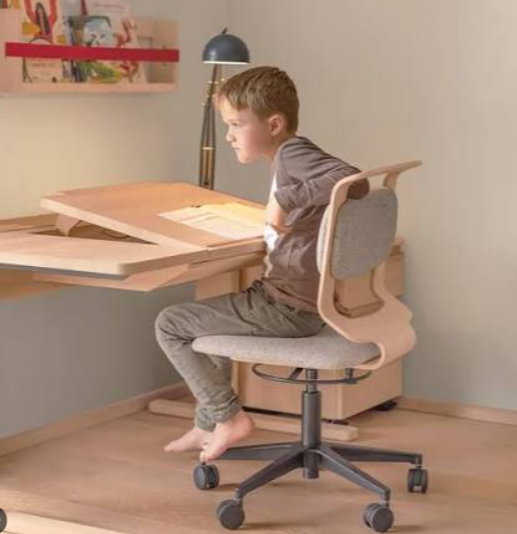
Creating a comfortable and productive workstation for children is essential in today’s digital age. Ergonomic kids’ desks and chairs can significantly enhance their posture, focus, and overall well-being. Investing in the right furniture can make a lasting difference in a child’s learning environment.
1. The Importance of Ergonomics for Children
Ergonomics refers to designing and arranging spaces to ensure that people can interact with them comfortably and efficiently. For children, whose bodies are still developing, having the right ergonomic furniture is crucial for preventing posture-related issues and enhancing focus during study time. With the increase in remote learning and screen time, the risk of bad posture is higher, making ergonomic solutions even more relevant.
When children use desks and chairs that do not support their natural body alignment, they may experience discomfort, distraction, or even chronic pain in the long term. The right ergonomic furniture promotes healthy habits and fosters an environment conducive to effective learning. Children should ideally have their feet flat on the ground, elbows at a 90-degree angle, and their eyes level with the top of their computer screens or books.
-
- Choose adjustable desks that grow with your child.
-
- Opt for chairs with lumbar support to maintain proper spinal alignment.
-
- Ensure the desk height allows elbows to rest comfortably.
-
- Regularly assess your child’s ergonomic setup as they grow.
2. Features to Look For in Kids’ Desks and Chairs
When searching for ergonomic desks and chairs for children, it’s vital to consider various features that foster comfort and functionality. Look for desks that can be adjusted for height, as this will accommodate your child’s growth over the years. A desk with a tilting surface can also help reduce glare from screens or books, promoting better posture by allowing kids to work at a more comfortable angle.
A chair that offers adjustable seat height and backrest is equally important. Look for options with armrests to reduce strain on young arms and shoulders when writing or drawing. Additionally, materials that provide comfort and durability should also be considered, as kids can be quite active and might subject furniture to wear and tear.
-
- Ensure the desk has a surface large enough for books and supplies.
-
- Look for chairs made from breathable materials for comfort.
-
- Choose desks with built-in organization options to reduce clutter.
-
- Check for stability and sturdiness to withstand daily use.
3. Setting Up the Perfect Ergonomic Workspace
Once you’ve selected ergonomic desks and chairs, it’s essential to set them up properly for your child’s specific needs. Position the desk with the child’s knees at a 90-degree angle and their feet flat on the floor or on a footrest for additional support. Lighting is another crucial factor; ensure that the workspace is well-lit to reduce eye strain and maintain focus on tasks.
Creating a routine around the workstation can also enhance productivity and comfort. Encourage your child to take regular breaks to stretch or change positions. This not only prevents discomfort but also helps maintain concentration over longer study sessions. Teaching your child about their workspace and its ergonomic benefits can empower them to take responsibility for their health.
-
- Adjust the chair height so that your child can sit comfortably.
-
- Use soft lighting to reduce eye strain.
-
- Encourage regular break intervals every 30-45 minutes.
-
- Create a clutter-free environment to promote focus.
4. Additional Accessories for Ultimate Comfort
In addition to desks and chairs, several accessories can enhance a child’s ergonomic workspace. Items like wrist rests can alleviate strain during typing, while adjustable footrests can further support proper posture. Consider incorporating screen filters to reduce glare and blue light exposure, which can be particularly beneficial for children who spend long hours in front of screens.
Quality organization tools, like desk organizers and drawer dividers, can keep school supplies sorted and accessible, minimizing distractions as children work. Additionally, investing in a good mat can provide cushioning for feet during long study sessions, promoting overall comfort.
-
- Include wrist rests for computer users.
-
- Use a blue light filter for screens.
-
- Invest in desk organizers to keep tools handy.
-
- Choose supportive mats for prolonged use.
In conclusion, investing in ergonomic kids’ desks and chairs is a smart choice for promoting your child’s health and productivity. By creating a comfortable and supportive study environment, you can help ensure that your child stays focused and engaged in their learning. Take the time to assess your child’s workspace and consider making improvements that will benefit their overall well-being.