
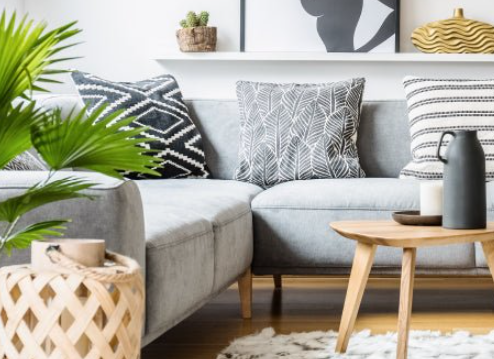
Choosing the right colors for your sofa and coffee table can significantly impact the overall aesthetic of your living room. With a careful selection, you can create a cohesive and stylish look that reflects your personality. In this post, we’ll explore some effective strategies for matching these two essential pieces of furniture.
1. Understanding Color Theory
Before diving into the specifics of matching furniture colors, it’s important to have a grasp of basic color theory. Colors are generally categorized into three main groups: primary, secondary, and tertiary. Primary colors (red, blue, yellow) can be mixed to create secondary colors (green, orange, purple), which then lead to the variety of hues known as tertiary colors. Understanding how these colors interact can help you make informed decisions when selecting a sofa and coffee table.
Using the color wheel, you can also identify complementary colors, which are opposite each other on the wheel, and analogous colors, which sit next to each other. For instance, if you have a blue sofa, an orange coffee table would be complementary, while a green table would fall into the analogous category. This foundational knowledge can guide you in creating a balanced look in your living space.
-
- Familiarize yourself with the color wheel.
-
- Identify complementary and analogous color pairs.
-
- Experiment with color mixing concepts.
-
- Consider the tones (warm vs. cool) of the colors.
2. Evaluating Your Living Space
One size doesn’t fit all when it comes to furniture color choices. Your living room’s existing color palette plays a vital role in determining the right sofa and coffee table combination. Take note of the walls, flooring, and any other decor elements. If your room is painted in soft, neutral colors, you can opt for bold, vibrant furniture pieces to create striking focal points.
On the other hand, if your walls are adorned with rich colors or patterns, you might want to choose more muted tones for your sofa and coffee table to avoid an overwhelming appearance. By considering the existing colors and patterns in your living space, you can make choices that enhance your home rather than detract from it.
-
- Assess the wall colors when choosing your furniture.
-
- Consider your flooring’s hues and textures.
-
- Avoid clashing patterns or colors.
-
- Use neutral bases to balance bold pieces.
3. Material and Texture Considerations
The material and texture of your sofa and coffee table can also influence their visual harmony. For example, a sleek leather sofa pairs beautifully with a modern glass coffee table, creating an elegant appearance. Conversely, a plush fabric sofa may look cozier alongside a wooden coffee table, enhancing a warm, inviting atmosphere.
Don’t forget about texture – combining soft and hard materials can add depth to your living space. For instance, if you have a soft, velvety sofa, a sleek metal or glass coffee table can create a striking contrast. Similarly, if your sofa is more structured, like a mid-century design, you could select a more organic shape in your coffee table for diversity.
-
- Match materials for a cohesive look.
-
- Mix textures to create visual interest.
-
- Consider the finish on both pieces (shiny, matte, etc.).
-
- Incorporate different shapes for balance.
4. Personal Style and Lifestyle
Your personal style and lifestyle should guide your color choices for your sofa and coffee table. If you enjoy a minimalist aesthetic, consider soft neutrals or monochromatic shades. For those who love vibrant patterns or bold colors, there are numerous options available – from rich jewel tones to bright pastels, your choices should ultimately reflect who you are.
Your lifestyle factors, such as pets and children, also affect your choices. Darker colors or durable fabrics may be better suited to high-traffic areas or homes with young kids. Similarly, practical choices can help maintain the integrity of your furniture, ensuring that your color scheme remains looking fresh for years to come.
-
- Reflect on your personal style: minimalist vs. maximalist.
-
- Choose colors that fit your daily lifestyle.
-
- Consider the durability of fabrics for active households.
-
- Use accent colors that resonate with you personally.
In conclusion, successfully matching sofa and coffee table colors requires thoughtfulness and creativity. By understanding color theory, evaluating your living space, considering materials, and reflecting on your lifestyle, you’ll be well-equipped to make choices that enhance your home. Don’t hesitate to experiment and ask for expert advice if you feel uncertain – your living space should be a true reflection of you!