
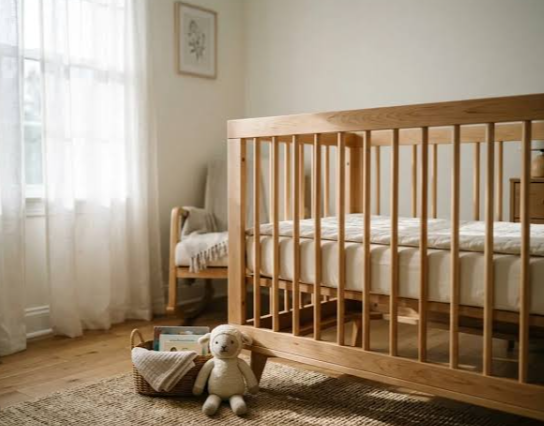
Choosing the right furniture for children is a crucial task, especially when considering their health and safety. One important aspect that often goes overlooked is the presence of harmful substances, like lead, in children’s furniture. This blog post will explore the significance of selecting lead-free furniture, offering practical guidance for concerned parents.
1. Why Lead-Free Furniture Matters
Lead exposure can have severe consequences for children’s health, including developmental delays, learning difficulties, and behavioral issues. Children are particularly vulnerable due to their developing brains and the likelihood of ingesting lead from contaminated surfaces, such as toys or furniture. By opting for lead-free furniture, parents can significantly reduce these risks, promoting a healthier living environment.
Moreover, the benefits of lead-free furniture extend beyond immediate safety. Many companies committed to sustainable practices are also creating lead-free options, contributing to a greener planet. When you choose lead-free, you’re not only protecting your child’s health but also supporting eco-friendly manufacturing processes and practices.
-
- Research furniture brands known for uncompromising safety standards.
-
- Check for certifications on products indicating they are lead-free.
-
- Ask sellers or manufacturers for transparency regarding materials used.
-
- Prioritize items made with solid wood rather than pressed wood.
-
- Consider second-hand furniture, but check for lead content in older items.
2. Identifying Lead-Free Furniture
Identifying lead-free furniture requires diligence and an understanding of the materials often used in children’s products. Furniture manufactured after 2008 is subject to stricter regulations, making it generally safer. However, older furniture may still be on the market, especially in resale shops and online marketplaces. It’s critical to ask questions about the product’s age and the materials used.
When shopping for lead-free furniture, look for specific labels and certifications. Brands may have safety certifications from organizations like the American National Standards Institute (ANSI) or the Consumer Product Safety Commission (CPSC), which indicate adherence to safety standards. Reading reviews and feedback from other parents can also provide valuable insights into the reliability of certain brands.
-
- Look for furniture made from materials certified as safe.
-
- Ask retailers about their testing processes for lead content.
-
- Shop from trusted sources known for child-safe products.
-
- Consider asking for documentation of safety testing.
-
- Be cautious with vintage or antique furniture, as it may contain lead.
3. Tips for Maintaining Safe Furniture
Once you’ve selected lead-free furniture, maintaining its safety is vital. Regular cleaning is recommended to remove dust and dirt that might contain lead particles if the furniture were older. Using a damp cloth with mild soap is usually sufficient, and it’s essential to avoid harsh chemicals that could harm both the furniture and your child.
Additionally, be aware of the wear and tear that can affect furniture safety over time. Scratches or peeling surfaces may expose lead-based paint underneath, so it’s crucial to monitor the condition of the furniture continuously. Always rectify any damage promptly to keep your child safe and give you peace of mind.
-
- Clean surfaces with a gentle, damp cloth regularly.
-
- Avoid abrasive chemicals that can damage protective coatings.
-
- Inspect furniture regularly for wear and tear.
-
- Address any scratches or chips immediately through repair or replacement.
-
- Keep an eye out for recalls on any furniture items you own.
4. Where to Buy Lead-Free Furniture
Finding lead-free furniture is becoming easier as awareness grows. There are several well-known brands that specialize in child-safe furniture. Retailers that exclusively focus on sustainable and eco-friendly products are great places to start, as they typically offer a range of lead-free options. Additionally, online marketplaces often have filters that allow shoppers to narrow down their options based on materials and safety certifications.
Local stores may also have sections dedicated to safety-conscious children’s furniture. Don’t hesitate to ask staff members for details on the safety features of their products. Workshops or expos on child safety products can provide connections to reputable vendors and hands-on experiences with various items.
-
- Shop from reputable retailers known for safety standards.
-
- Explore online marketplaces with searchable safety features.
-
- Visit local furniture stores and ask staff about safety certifications.
-
- Participate in parenting groups for recommendations and reviews.
-
- Check for local expos or fairs focusing on child safety products.
5. Financing Lead-Free Choices
Investing in lead-free furniture can sometimes come with a higher price tag, prompting parents to consider financing options. Many retailers offer payment plans breaking down the cost over several months, making it financially manageable to choose safer products. Always read the terms of these plans to avoid hidden fees and ensure that you’re making the best financial decision for your family.
Additionally, consider how investing in lead-free furniture fits into your budget. It’s essential to prioritize health and safety when making these purchases. Saving for a few months to buy high-quality, lead-free pieces can often be wiser in the long run than opting for cheaper, potentially hazardous alternatives.
-
- Explore payment plans offered by various retailers.
-
- Set a budget for upgrading to lead-free options.
-
- Prioritize essential items first, then expand as budget allows.
-
- Look for sales or discounts on lead-free furniture.
-
- Consider the long-term savings of investing in quality furniture.
In conclusion, selecting lead-free furniture for your children is a vital step towards ensuring their safety and well-being. By being informed and intentional in your choices, you contribute to a healthier home environment. Make it a priority to consult with trusted retailers or professionals to find the best lead-free options for your family.