
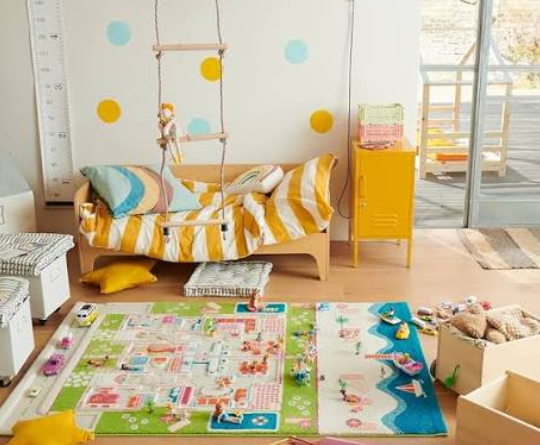
Creating a safe and comfortable space for kids is a top priority for any parent. When it comes to choosing furniture for your child’s room, hypoallergenic options can help reduce allergies and promote healthier indoor air quality. This guide will explore the benefits of hypoallergenic furniture and provide practical tips for making informed choices.
1. Understanding Hypoallergenic Furniture
Hypoallergenic furniture is specifically designed to minimize allergens and irritants that can affect children, especially those with allergies or asthma. This type of furniture typically features materials that resist dust mites, mold, and pet dander. For instance, many hypoallergenic furniture pieces are crafted from non-toxic wood finishes or synthetic fibers that are less likely to hold allergens compared to traditional materials.
Common materials used in hypoallergenic furniture include organic cotton, bamboo, and certain types of polyurethane foam. Additionally, look for items labeled as ‘low-VOC’ or ‘non-toxic,’ which indicates they emit fewer volatile organic compounds, further reducing the risk of allergic reactions in children. Understanding these components can make a significant difference in your child’s well-being.
-
- Research materials before making a purchase.
-
- Look for certifications that indicate hypoallergenic properties.
-
- Choose furniture with removable, washable covers.
-
- Avoid pieces made from particleboard or traditional foam.
2. Choosing the Right Furniture for Your Child’s Room
When selecting hypoallergenic furniture for your child’s room, consider the practical aspects of size and function. Items like beds, desks, and chairs are available in hypoallergenic varieties that also prioritize comfort and ergonomic support. For example, opt for cribs made from solid wood and finished with non-toxic paints to ensure a safe sleeping environment for your infant.
Don’t forget about storage options as well! Shelves and toy chests can also be made from hypoallergenic materials. Wooden options treated with safe finishes or brightly colored storage containers made from synthetic materials can be ideal. Being mindful of furniture pieces will create a balanced, functional, and allergy-friendly room.
-
- Select furniture that fits the room’s size appropriately.
-
- Prioritize multi-functional pieces to save space.
-
- Ensure edges and surfaces are safe for children.
-
- Consider furniture that can grow with your child, like convertible beds.
3. Maintaining a Hypoallergenic Environment
To maximize the benefits of hypoallergenic furniture, maintaining the room’s cleanliness is essential. Regular cleaning reduces dust mites and other allergens that can accumulate in carpets, upholstery, and on surfaces. Vacuuming with a HEPA filter and using damp cloths for dusting can dramatically improve indoor air quality.
It’s also important to establish routines. Regularly wash any bedding, curtains, and other fabric items in hot water to eliminate potential allergens. Additionally, consider air purifiers with HEPA filters to further enhance air quality in the room. By combining clean furniture with these routines, you’ll create a sustainable hypoallergenic environment.
-
- Establish a cleaning schedule to keep the room allergen-free.
-
- Use a HEPA vacuum cleaner for effective cleaning.
-
- Wash bedding and curtains regularly in hot water.
-
- Consider using non-toxic and hypoallergenic cleaning supplies.
In conclusion, investing in hypoallergenic furniture for your child’s room can greatly contribute to a healthier living space. Prioritize safe materials and maintain a consistent cleaning routine to reduce allergens. Taking these steps will help ensure your child’s comfort and well-being, paving the way for a happier, healthier environment.