
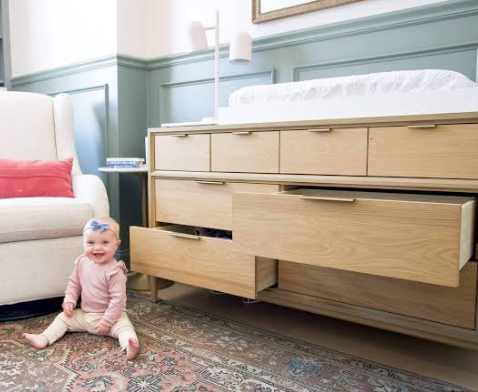
Child safety in the home is a top priority for any parent. With little ones exploring every corner, arranging furniture thoughtfully can significantly reduce risks. Here are some effective strategies to ensure your home is safe and welcoming for your children.
1. Create an Open Space
One of the fundamental principles of child safety is maintaining an open space to allow free movement. When children have the room to play safely, the risk of accidents such as falls or collisions with furniture is minimized. Consider using furniture that can be easily moved or reconfigured to create larger play areas, especially in common areas like the living room or playroom.
Additionally, look for low-profile furniture options, such as low tables or seating that won’t pose a hazard if a child were to trip. The placement of furniture should avoid clustering or blocking paths, as clear walkways allow children to navigate spaces safely. Avoid heavy items that are likely to fall or tip over easily to ensure added safety.
-
- Leave ample space between furniture pieces to promote safe movement.
-
- Choose lightweight furniture that can be easily rearranged.
-
- Avoid bulky items that can obstruct walking paths.
-
- Regularly reassess the space as your child grows and their activity levels change.
2. Secure Heavy Furniture
As children grow and start climbing, securing heavy furniture becomes vital. Dressers, bookshelves, and entertainment units can pose tipping hazards if not anchored properly. Using furniture straps or brackets to secure these pieces to walls can prevent them from toppling over, especially during playtime or when a child is curious and climbing.
Ensure that all devices—like televisions—are properly mounted or placed on stable bases as well. Check that any cords are tucked away to avoid strangulation risks or furniture pull-downs. Training your child to understand safety concepts and why these precautions are in place can further enhance safety awareness at home.
-
- Use anti-tip kits for all heavy furniture items.
-
- Regularly check that anchors and supports are secure.
-
- Place heavy items at the bottom of shelves or units.
-
- Discuss with your child why climbing on furniture is dangerous.
3. Choose Soft Edges and Rounded Furniture
Sharp corners and edges can quickly turn a playful situation into an emergency. Opting for furniture that has rounded edges can minimize the risk of cuts and bruises. Sofas, chairs, or coffee tables with soft edges are ideal choices for family areas where children play frequently.
In addition to soft edges, consider using corner guards or bumpers on furniture that may have sharper angles. These simple additions can provide an additional layer of protection, ensuring that kids can interact with their environment safely. Aligning furniture in areas where children frequent, such as playrooms or near the kitchen, is crucial, as this will give ample safety without compromising functionality.
-
- Select round tables, cushioned furniture, or padded benches.
-
- Apply corner guards on furniture with sharp edges.
-
- Rearrange furniture periodically to maintain safety awareness.
-
- Teach children about being cautious around furniture edges.
4. Designate Safe Zones
Creating designated safe zones within your home can offer a secure environment for your child to play and explore. These zones should be free of clutter and should contain soft flooring materials like rugs or foam mats to cushion falls. Including age-appropriate toys and game areas within these zones can further encourage safe play.
Additionally, be mindful of proximity to higher-risk areas like stairs or kitchens. Utilizing baby gates can help maintain boundaries and keep toddlers away from unsafe areas. Establish rules for entering and exiting these safe zones, emphasizing the importance of safety and awareness in certain household areas.
-
- Identify and create dedicated safe play areas within your home.
-
- Use soft flooring to prevent injuries from falls.
-
- Install baby gates to restrict access to unsafe areas.
-
- Define clear rules regarding movement in and out of safe zones.
Arranging furniture for child safety requires thoughtful planning and ongoing assessments as your child grows. By following these strategies, you can create a safer environment that allows children to play freely while minimizing risks. Remember, safety is an ongoing journey, so regularly assess and adapt your space to fit your family’s needs.