
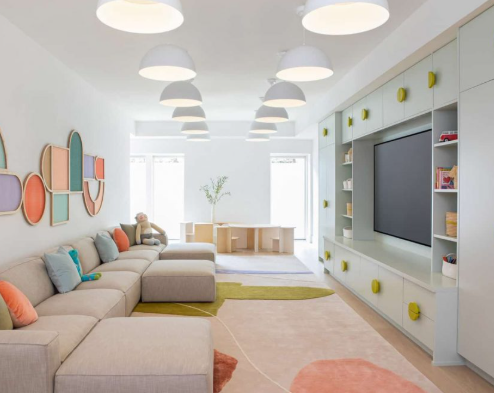
Creating a child-safe environment at home is essential for the well-being and development of your little ones. One of the most crucial aspects of this is the layout of your furniture. A thoughtful arrangement can minimize hazards, encourage play, and promote healthy interactions.
1. Choosing the Right Furniture
Selecting appropriate furniture is the first step in ensuring a child-safe home. Opt for pieces that are sturdy and free from sharp edges. For instance, rounded coffee tables or soft ottomans can be great alternatives to traditional, sharp-edged furniture. Don’t forget to consider the scale of the furniture in relation to your child’s size; it should be both accessible and manageable for them.
In addition to shape and size, the materials used in furniture play a critical role. Look for items made from non-toxic finishes and fabrics that are easy to clean. For example, upholstered furniture with stain-resistant fabric can withstand spills and messes, making it a practical choice for families with young children.
-
- Opt for furniture with rounded corners.
-
- Choose non-toxic materials and easy-to-clean fabrics.
-
- Avoid tall furniture that can tip over easily.
-
- Ensure that items are securely anchored to the wall if necessary.
2. Strategic Layout Planning
The way you position your furniture can greatly influence safety and accessibility. A common mistake is placing furniture too close together, which can create hazards. For example, having a clear walkway allows children to move freely without the risk of bumping into sharp surfaces. Consider using rugs to define spaces and create a safe play area that keeps children engaged.
It’s also vital to think about sight lines. Ensure that furniture placement allows parents to see and supervise children as they play. Place toys in open areas where they can be easily reached, but keep them organized to avoid clutter, which can lead to accidents. Using storage baskets or bins can help keep your space tidy while encouraging kids to help with cleanup.
-
- Establish clear pathways throughout the room.
-
- Designate safe play areas away from furniture edges.
-
- Ensure that furniture doesn’t block lines of sight.
-
- Organize toys in accessible storage to reduce clutter.
3. Safety Features and Accessories
Incorporating safety features into your furniture layout can significantly enhance your home’s child-friendliness. For instance, using corner guards on furniture edges can provide an extra layer of protection from bumps and bruises. Additionally, securing heavy furniture like bookcases can prevent tipping, offering peace of mind to parents.
It’s also wise to invest in childproofing accessories, such as outlet covers and cabinet locks, to complement your furniture layout. By integrating these elements into your setup, you create a cohesive space that prioritizes safety. Remember that safety measures should evolve as your child grows, so stay updated on their needs and preferences.
-
- Install corner guards on tables and sharp furniture.
-
- Secure heavy furniture to walls using anchors.
-
- Utilize outlet covers to eliminate electrical hazards.
-
- Incorporate cabinet locks for storage areas.
Arranging your home for child safety is a continuous process that involves careful planning and consideration. By selecting appropriate furniture, implementing strategic layouts, and utilizing safety features, you can create a nurturing environment for your children. Take the time to evaluate your current arrangements and make adjustments that will promote both safety and fun in your home.