
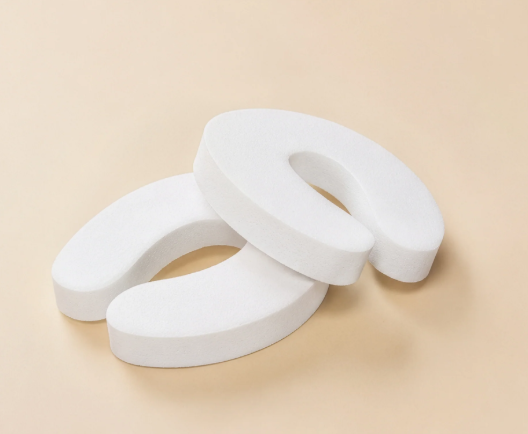
Finger pinch accidents can happen all too easily in homes filled with furniture that has moving parts. With children and even pets around, ensuring safety becomes a priority. Here’s a guide to finger pinch prevention furniture ideas that can help create a safer environment.
1. Choose Soft-Close Mechanisms
Soft-close mechanisms are designed to close gently, preventing any rapid movement that could lead to pinched fingers. Many cabinet doors and drawers now come with this feature, which uses hydraulic systems to slow down the closing process. This not only enhances safety but also prolongs the life of the furniture by reducing wear and tear.
In addition to kitchens and bathrooms, consider soft-close options for all furniture with hinged doors or drawers, such as entertainment centers or armoires. This simple upgrade can be a game changer for families with young children who may not be as cautious around closing furniture.
-
- Look for soft-close options in local furniture stores.
-
- Consider retrofitting existing furniture with soft-close retrofit kits.
-
- Ask manufacturers about soft-close features when purchasing new pieces.
-
- Read reviews to find the best soft-close mechanisms for your needs.
2. Invest in Corner Protectors
Furniture corners can be sharp and pose hazards, especially in homes with small children. Investing in corner protectors can minimize the risk of injury from bumps and falls. These protectors are usually made of foam or rubber, providing cushioning that helps in preventing finger pinches and scrapes.
You can easily apply these protectors to coffee tables, sidetables, and even the edges of kitchen islands. They come in various colors and sizes, allowing you to choose options that blend nicely with your decor. Not only do they safeguard little fingers, but they can also be a great way to soften the look of hard edges in your home.
-
- Measure your furniture edges to ensure proper sizing for corner protectors.
-
- Choose adhesive types that are easy to apply and remove without damage.
-
- Regularly check the condition of the protectors and replace them as needed.
-
- Consider rounded furniture designs when purchasing new pieces for added safety.
3. Install Door Stoppers
Door stoppers are often overlooked but can significantly reduce the chances of finger pinches when using hinged doors. They act as a barrier that prevents doors from slamming shut. This is particularly useful in playrooms, bedrooms, and family spaces where children frequently come and go.
There are various types of door stoppers, including wall-mounted and floor-mounted options. Some modern designs even have magnetic features that keep the door open without causing pinch hazards when the door is pushed. Be sure to choose stoppers that are easy for kids to navigate without obstructing their movement.
-
- Select door stoppers that suit your door size and weight.
-
- Install door stoppers at child-friendly heights for better accessibility.
-
- Periodically check stoppers for wear and replace them as necessary.
-
- Use visual reminders (like stickers) to teach kids about door safety.
4. Opt for Furniture with Rounded Edges
Furniture with rounded edges is a safer option, especially in homes with young children who are naturally curious and prone to accidents. Unlike sharp corners that can cause cuts and bruises, rounded edges reduce the risk of injury. This design feature is commonly found in dining tables, coffee tables, and even bookshelves.
When shopping for new furniture, pay attention to the design and choose items that minimize sharp angles. You can also use fabric covers for existing sharp-edged furniture to provide a softer touch and additional protection. This approach adds an element of safety while allowing you to maintain a stylish home.
-
- Prioritize rounded edges when purchasing new furniture.
-
- Use fabric options to soften sharp corners of existing furniture.
-
- Encourage kids to understand the importance of careful movement around furniture.
-
- Designate safe play zones away from sharp-edged furniture.
5. Incorporate Childproof Latches
Childproof latches can be invaluable, particularly for cabinets and drawers that contain potentially harmful items. These latches serve as a physical barrier, preventing access to areas that could pose a risk. Ensuring that children cannot access potentially dangerous items can simultaneously reduce the chances of finger pinches.
When selecting latches, look for options that are easy for adults to use but challenging for children. There are many styles available—from magnetic latches that need a special key to pressure-mounted safety latches suitable for various furniture types.
-
- Identify all cabinets and drawers that need latching mechanisms.
-
- Choose latches that are suitable for your furniture type.
-
- Regularly test the effectiveness of the latches.
-
- Involve older children in the process to teach them about safety.
Creating a safe living space for your family doesn’t have to be overwhelming. By implementing these finger pinch prevention furniture ideas, you can dramatically reduce the risk of accidents while maintaining a stylish and functional home. Consider evaluating your current furniture arrangements and making necessary changes today for a safer tomorrow.