
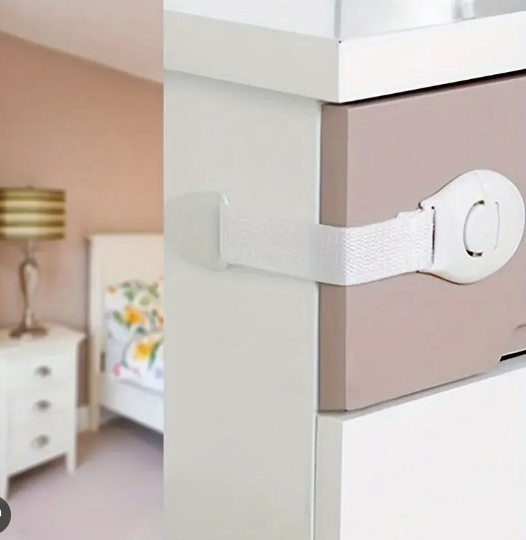
Ensuring a child-safe home is a priority for every parent. With young children exploring their surroundings, child safety locks for cabinets and thoughtful furniture design can protect them from potential hazards.
1. Understanding the Importance of Child Safe Cabinet Locks
Child safe cabinet locks are crucial for preventing accidents in the home. Curious children often open cabinets and drawers, exposing themselves to dangerous items such as cleaning supplies, sharp utensils, and medications. By securing these spaces, parents can significantly reduce the risk of accidents.
These locks come in various designs, including sliding locks, magnetic locks, and adhesive locks. Each type has its advantages depending on the cabinet style and the child’s age. For instance, magnetic locks are excellent for adults to operate easily but require a special key to unlock, making them ideal for curious toddlers.
-
- Assess the areas where your child frequently explores.
-
- Choose locks that fit well with your cabinet design.
-
- Ensure that the locking mechanism is easy for adults but not for kids.
-
- Regularly check for wear and tear on locks.
2. Types of Furniture Designs for Child Safety
Furniture design plays a pivotal role in child safety at home. Rounded edges on tables and cushioning on sharp corners can prevent injuries when kids play or run around. Some manufacturers go further by creating furniture specifically designed for families, with durability and safety as primary considerations.
A good example is furniture made of non-toxic materials and finishes that are both safe for children and environmentally friendly. Parents should also look for items that are heavy enough to resist tipping over, especially in homes with climbing toddlers. Additionally, multi-functional furniture—like storage ottomans or tables with built-in compartments—can help keep hazardous items out of reach while maximizing safety.
-
- Look for furniture with a sturdy build to minimize risk of tipping.
-
- Select rounded-edge design options for tables and shelves.
-
- Choose non-toxic materials for peace of mind.
-
- Consider multi-functional furniture to reduce clutter and keep items hidden.
3. DIY Solutions for Enhancing Child Safety in Furniture
Creating a child-safe environment doesn’t have to be expensive or time-consuming. There are various DIY solutions that can help secure furniture around the house. For instance, using furniture straps can effectively anchor bookshelves and heavy furniture to a wall, preventing them from toppling over during playtime or if climbed on.
Another simple solution is to add safety latches on cabinets and drawers or install corner pads on sharp furniture edges. A little creativity can transform ordinary household items into innovative safety tools, ensuring your home is both functional and child-friendly.
-
- Use furniture straps to secure heavy items to the wall.
-
- Attach safety latches on cabinets and drawers.
-
- Install corner pads on sharp edges.
-
- Modify existing furniture with DIY hacks for added safety.
4. Regular Safety Checks and Maintenance
Child safety is not a one-time effort; it requires consistent attention and maintenance to ensure that your home remains secure as your child grows. Regularly inspect locks, furniture, and other safety devices to ensure they are functioning correctly. A child may develop new skills, like climbing or reaching higher areas, necessitating an updated approach to safety.
Additionally, be proactive about educating family members and caregivers on the importance of securing cabinets and being vigilant about potential hazards. Keeping communication open and emphasizing safety can help create an environment where everyone is aware and involved in maintaining child safety.
-
- Set reminders to check locks and safety devices regularly.
-
- Encourage family discussions about safety precautions.
-
- Involve older children in safety practices to teach them responsibility.
-
- Stay updated with the latest safety recommendations and products.
In conclusion, child safety in the home involves not only installing child safe cabinet locks but also carefully considering furniture design. By being proactive and regularly assessing your living environment, you can create a secure space where your children can explore safely. Don’t hesitate to reach out to experts or resources to ensure that your home remains a safe haven for your loved ones.