
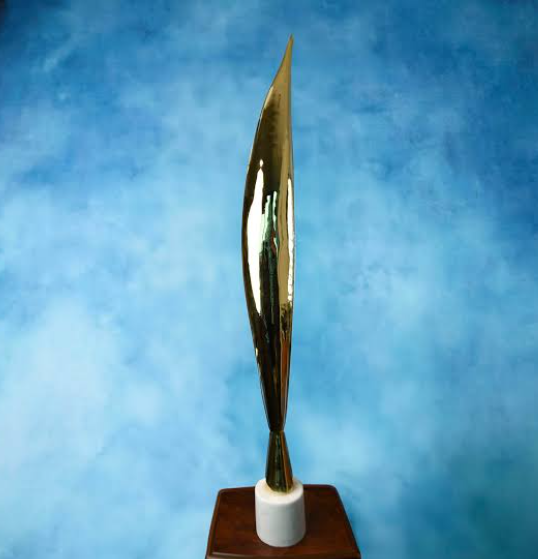
In modern home design, sculpture is not merely a decoration; it can also influence the overall style of a space through its form, material, and proportion. Constantin Brâncuși’s Bird in Space is a representative example of the connection between modern abstract art and interior design.
This work eschews the wings, feathers, and beaks commonly found in traditional bird sculptures, instead using a slender, upward-extending form to represent flight. Its simple shape shares a certain visual commonality with modernist and minimalist home design, providing a reference for the selection and placement of interior sculptures.
1. Design Characteristics of Constantin Brâncuși’s Bird in Space
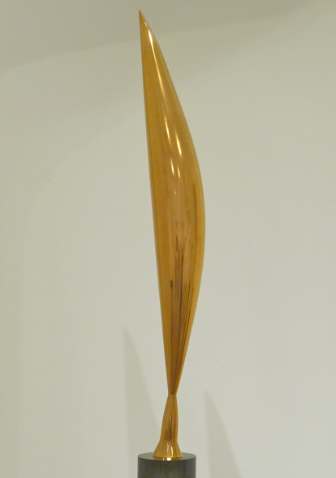
Brâncuși began creating the Bird in Space series in 1923, producing different versions using materials such as bronze and marble over the years.
Unlike traditional realistic sculptures, Bird in Space doesn’t directly replicate the bird’s appearance; instead, it summarizes the dynamic upward outstretched form of flight as continuous curves.
The sculpture’s main body is typically slender, with a certain volume in the middle, gradually narrowing upwards, and supported at the base by various forms of pedestals.
This design allows the viewer to focus on the sculpture’s overall outline and vertical direction, rather than specific animal details.
In home design, similar streamlined sculptures pair well with simple furniture, clean walls, and geometrically structured interior furnishings.
2. How can abstract sculptures be integrated into modern home design?
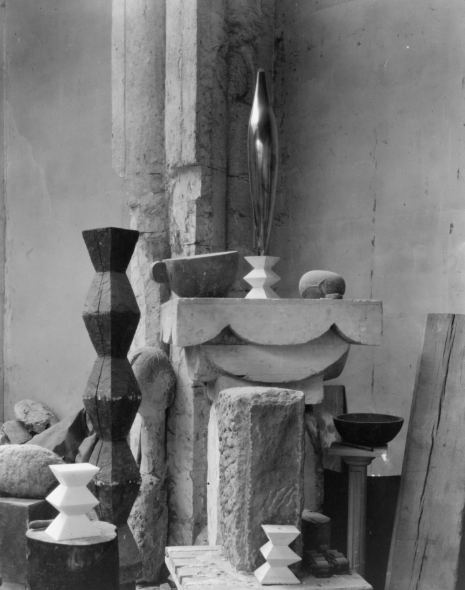
When choosing an abstract sculpture, the first consideration should be its size and display location.
In the living room, small or medium-sized abstract sculptures can be placed on entryway cabinets, sideboards, fireplace mantels, or freestanding display stands. For slender sculptures, sufficient vertical space should be reserved to avoid visual conflict with decorative paintings or shelves above.
If interior furniture is predominantly horizontal, such as low sofas, rectangular coffee tables, or horizontal TV cabinets, an upward-reaching sculpture can add a vertical element to the composition.
In a study or reading area, relatively simple sculptures are suitable for display alongside books, wooden furniture, and a few decorative items.
For larger artworks, it’s necessary to consider the actual passage space to avoid obstructing daily activities.
3. Pairing Metal Materials with Modern Interior Decor
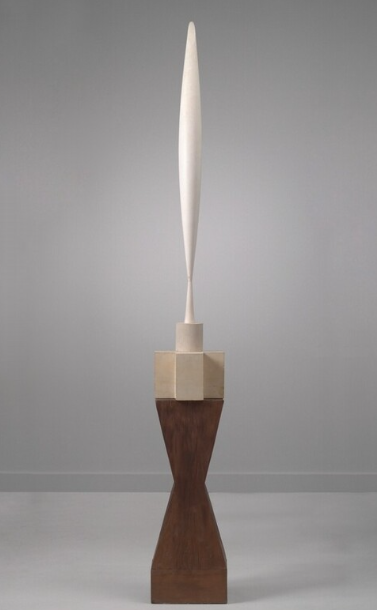
Metal is one of the important materials for modern abstract sculpture, with bronze, brass, and stainless steel frequently used in interior art creation.
Bronze and brass are suitable for creating sculptures with continuous curved surfaces, allowing for diverse appearances through casting, polishing, and other surface treatments.
For example, the brass creations by Bird in Space Sculpture demonstrate the process from 3D model to metal casting, highlighting the requirements for proportion control and surface finishing in slender, curved sculptures.
In terms of interior design, gold or bronze sculptures can be paired with wood, natural stone, and neutral-colored furniture; silver-gray stainless steel sculptures are more suitable for modern spaces with prominent metallic elements.
It’s important to note that when choosing metal sculptures, one shouldn’t only focus on color, but also consider the material’s weight, the stability of the base, and the surface maintenance method.
4. How to Use Sculpture to Improve the Visual Proportion of a Home Space?
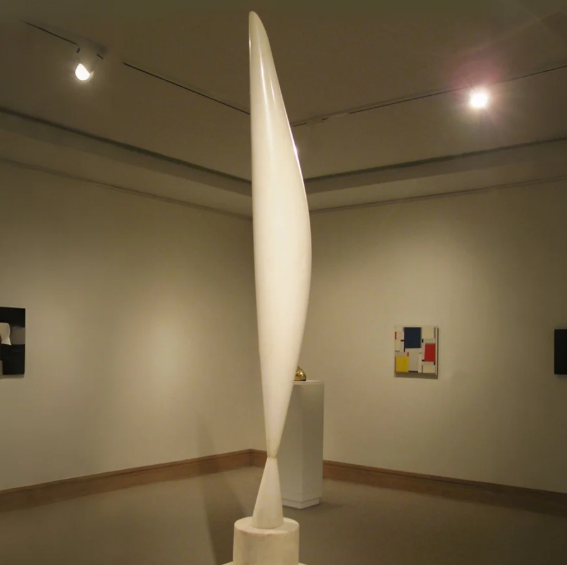
The difference between sculpture and painting lies in its true three-dimensional volume, allowing it to be viewed from multiple directions.
For works with a strong vertical proportion, such as “Bird in Space,” the display effect is closely related to the placement height. If placed on a tall cabinet, check if the overall height is in harmony with the surrounding furniture; if placed on a freestanding display stand, ensure the base is sufficiently stable.
In living rooms with many decorative elements, it’s advisable to reduce the number of small ornaments around the sculpture to make the work’s outline easier to recognize.
If the space uses a lot of straight lines and square furniture, a curved sculpture can add variation to the form, preventing the overall layout from becoming too monotonous.
However, not all modern spaces are suitable for large sculptures. Smaller homes can prioritize moderately proportioned tabletop works to avoid decorative items taking up too much usable space.
5. Inspiration from Bird in Space for Modern Home Aesthetics
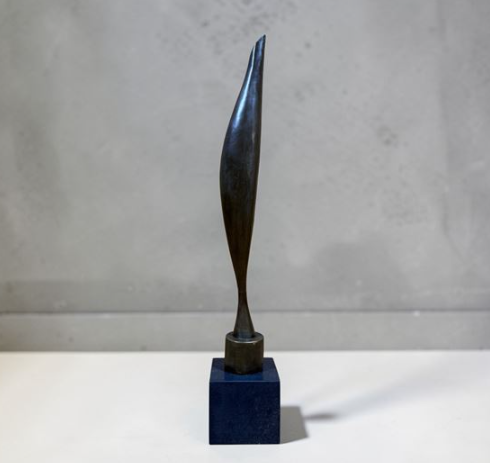
Brâncuși’s Bird in Space demonstrates that artworks don’t necessarily need intricate decorative details; precise proportions and complete outlines can create a striking visual impact.
This design philosophy resonates with the minimalist layouts commonly found in modern homes, but simplicity doesn’t mean all items must adopt the same geometric forms.
In practical arrangements, contrasts between straight-line furniture and curved sculptures, or between wooden materials and metal artworks, can enrich the visual layers of a space.
For those wishing to incorporate artistic elements into their homes, understanding the stylistic approach of Bird in Space is more valuable than simply imitating the appearance of a particular work.
A suitable abstract sculpture should maintain its artistic characteristics while harmonizing with the scale, materials, and daily needs of the living space.