
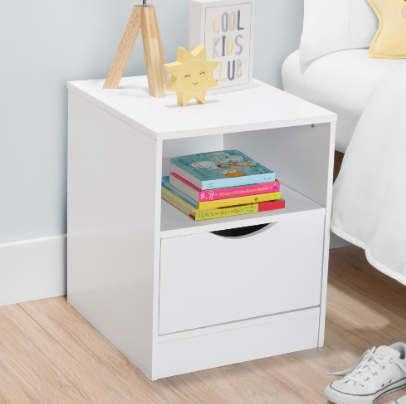
When it comes to designing a child’s bedroom, safety is paramount. Child-safe nightstands are an essential piece of furniture that can help maintain a secure environment for your little ones. In this blog post, we will dive into important features to look for in nightstands, the materials that are safest, and how to ensure the furniture is set up correctly in your child’s room.
1. Key Safety Features to Consider
Choosing a nightstand for your child requires a keen eye for safety features. Look for designs that are stable and low to the ground, preventing it from tipping over easily. A nightstand with rounded edges can also significantly reduce the risk of injuries. Additionally, consider nightstands with built-in storage to minimize clutter, which might help prevent accidents.
Another important feature is locking drawers. Children are naturally curious, and a drawer filled with potentially dangerous items can pose a risk. Nightstands that use soft-close mechanisms can also prevent little fingers from getting pinched. Finally, ensure that the nightstand is free of toxic materials, especially if it has been painted or treated with finishes.
-
- Choose nightstands with rounded edges.
-
- Look for stable designs that minimize tipping.
-
- Opt for built-in storage to reduce clutter.
-
- Prioritize locking drawers for safety.
-
- Check for non-toxic materials and finishes.
2. Best Materials for Child-Safe Nightstands
The materials from which a nightstand is made can greatly impact its safety and durability. Solid wood is often preferable as it tends to be sturdier and less likely to splinter than particle board or MDF. When selecting a wood type, consider going for options like maple or birch, which are less prone to warping. It’s also essential to ensure that any paint or finish used is child-safe and non-toxic.
If wood isn’t feasible, look for nightstands made from high-quality plastic or metal. Metal can be an excellent choice as it’s easy to clean and highly durable. However, ensure that the edges are smooth and that the entire piece doesn’t have any sharp points that could injure a child. Remember to check if the materials are free of harmful chemicals like formaldehyde.
-
- Opt for solid wood nightstands for durability.
-
- Choose child-safe finishes and paints.
-
- Consider high-quality plastic or metal options.
-
- Ensure that edges are smooth and free from sharp points.
-
- Check for hazardous chemicals in materials.
3. Setting Up the Nightstand in Your Child’s Room
Once you’ve selected a suitable nightstand, proper placement is crucial for maximizing safety. Position the nightstand within arm’s reach of the bed to make it more convenient for your child without them needing to climb or stretch. Ensure it’s stable on the floor and not at risk of tipping over, especially if it’s placed on carpet. It’s vital to keep the space around the nightstand clear to prevent trips and falls.
Moreover, educate your child about what can be safely stored on their nightstand. Items should be limited to age-appropriate books, a night lamp, and perhaps a favorite stuffed animal. Always keep hazardous items like medications or small toys that can be a choking hazard away from their nightstand. By doing so, you ensure an organized and safe sleeping environment.
-
- Place the nightstand within arm’s reach of the bed.
-
- Ensure the nightstand is stable and secure.
-
- Keep the area around it free of obstacles.
-
- Limit nightstand contents to safe items.
-
- Educate your child about what to store and what not to.
In conclusion, ensuring your child’s nightstand is safe and suitable can significantly enhance their bedroom environment. By considering features, materials, and proper setup, you can create a secure sleeping space. Take the next step by evaluating your child’s room and selecting a nightstand that meets all safety criteria today.