
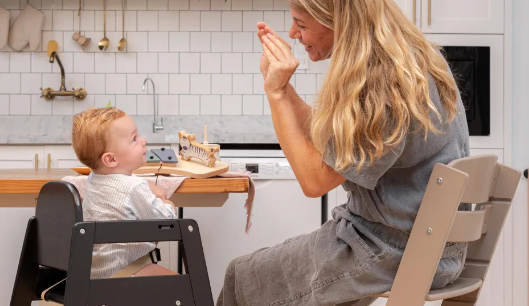
Choosing furniture that is safe for children requires thoughtful consideration of both design and materials. The right choices can help prevent accidents and create a nurturing environment for young ones. In this guide, we will explore essential factors to consider when selecting child-safe furniture.
1. Materials Matter
One of the first things to consider when selecting child-safe furniture is the materials used in its construction. Look for items made from natural materials like solid wood, as they are less likely to have harmful chemicals compared to particleboard or MDF, which often contain formaldehyde. Moreover, you should consider whether the wood is finished with non-toxic paints or varnishes that are free from heavy metals and volatile organic compounds (VOCs).
In addition to wood, upholstery materials matter significantly. Fabrics with low chemical emissions and easy-to-clean surfaces can make your furniture much safer. For example, organic cotton and wool are great choices for cushions and upholstery, while leather can be wiped down easily if spills occur.
-
- Choose solid wood furniture instead of particleboard.
-
- Check for non-toxic finishes and paints.
-
- Opt for fabrics that are both low in chemicals and easy to clean.
-
- Seek out sustainable materials, like bamboo.
2. Design and Structure
The design of the furniture plays a crucial role in ensuring your child’s safety. Look for rounded edges and corners to minimize the risk of injury during play. Furniture should also be stable and sturdy to prevent tipping. For example, large bookshelves should be anchored to the wall to prevent accidents.
Moreover, consider adjustable furniture like convertible cribs or desks that grow with your child. This smart choice not only saves money but also reduces the need for frequent replacements, thereby decreasing potential hazards associated with old furniture. It’s crucial to think long-term when selecting pieces that will remain in your home as your child grows.
-
- Opt for furniture with rounded edges and stable bases.
-
- Secure tall furniture to walls to prevent tipping.
-
- Invest in adjustable or multi-functional pieces.
-
- Prioritize furniture designed specifically for children.
3. Safety Features
Beyond basic materials and design, certain safety features should be non-negotiable when choosing furniture for children. Look for items equipped with safety mechanisms such as anti-tip anchors and child-proof locks. These features can add an extra layer of protection against common childhood accidents.
Furthermore, check whether the furniture complies with safety standards established by regulatory bodies. Certifications like GREENGUARD Gold or ASTM International can provide reassurance that the items you’re purchasing have undergone rigorous testing for safety and health. When shopping, always ask about the safety certifications of the products you’re interested in.
-
- Choose furniture with built-in safety features like anti-tip anchors.
-
- Verify safety compliance through recognized certifications.
-
- Consider furniture with soft-close mechanisms to prevent finger pinching.
-
- Research recalls or safety notices related to the furniture brand.
4. Functionality and Use
With children, functionality should not take a back seat to aesthetics. Furniture should be practical, easy to maintain, and suitable for a child’s lifestyle. For example, easily removable and washable covers can save you the hassle of cleaning stains, which is an inevitable part of childhood.
Also, consider furniture styles that encourage safety during use, such as storage ottomans that can double as seating but are soft enough to prevent injury. Child-sized tables and chairs not only promote good posture but also allow children to be more independent, making them more likely to engage in creative activities without risk.
-
- Opt for furniture that is easy to clean and maintain.
-
- Look for multi-functional furniture to maximize space.
-
- Choose child-sized pieces that promote independence.
-
- Review storage solutions to minimize clutter and hazards.
Creating a child-safe environment involves thoughtful consideration of the furniture you choose for your home. By focusing on safe materials, smart design, necessary safety features, and practical functionality, you can ensure that your child’s space is both safe and conducive to creativity and growth. Don’t hesitate to consult professionals to help make your home as child-friendly as possible.