
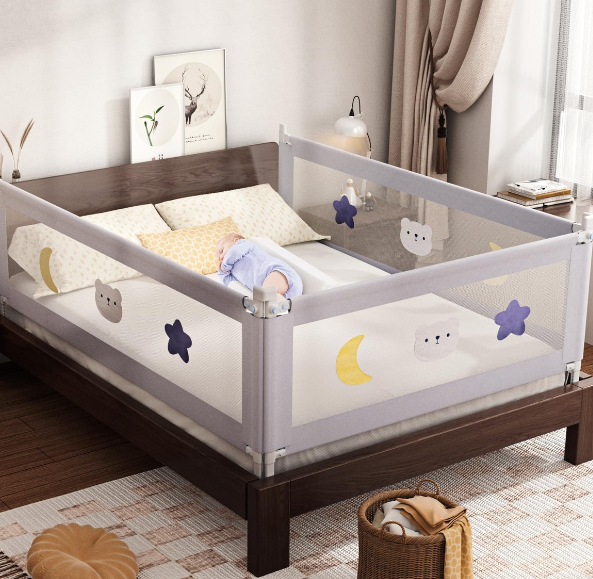
When it comes to providing a safe sleeping environment for children, the right bed is crucial. Child safe beds with guardrails are an excellent solution for ensuring that your little ones sleep soundly while minimizing the risk of falls. In this blog post, we’ll explore the importance of guardrails, how to choose the best bed, and safety tips for an ideal sleep setup.
1. Why Guardrails are Essential for Child Safety
Child safety is a top priority for parents, especially when it involves sleeping arrangements. Guardrails provide a physical barrier that helps prevent children from rolling out of bed while they sleep. This is particularly important for younger children who may not yet have developed the awareness necessary to stay put throughout the night.
Moreover, guardrails can provide a sense of security for children, reassuring them as they transition from a crib or toddler bed to a more grown-up sleeping arrangement. By making bedtime feel safe and secure, children are more likely to settle down calmly, leading to a more restful night for both kids and parents.
-
- Opt for bed designs that incorporate guardrails as a standard feature.
-
- Ensure guardrails are made from sturdy materials to withstand wear and tear.
-
- Check that guardrails extend high enough to prevent falls without restricting movement.
-
- Consider adjustable guardrails for beds that can grow with your child.
2. Choosing the Right Bed with Guardrails
When selecting a child safe bed, consider factors such as the child’s age, size, and personal preferences. Look for beds specifically designed with safety in mind, featuring guardrails that are reliable and appropriately positioned. Additionally, consider beds that can grow with your child, such as convertible cribs that transform into toddler beds.
Materials also play a critical role in safety. Opt for non-toxic finishes and sturdy construction materials. Some beds are made of solid wood, while others may use high-quality composite materials. Always check for certifications that guarantee safety standards, further ensuring that that your chosen bed is free from harmful chemicals.
-
- Research different styles and manufacturers to find the best options.
-
- Consult reviews from other parents to gauge safety levels.
-
- Measure your child’s height to ensure the bed is a suitable fit.
-
- Choose beds with easily removable guardrails for flexibility.
3. Safety Tips for Setting Up a Child’s Bed
Setting up the bed properly is just as important as choosing the right bed. Start by placing the bed in a safe location away from windows or furniture that could pose a risk. Ensure the bed is positioned against a wall if possible, offering additional support and reducing the chances of falls.
Next, use a mattress that fits snugly within the bed frame. A well-fitting mattress minimizes the risk of entrapment between the mattress and guardrails. Additionally, keep the bedding light and breathable to ensure the child is comfortable throughout the night, which also contributes to the safety of their sleep experience.
-
- Position beds away from hard surfaces and windows.
-
- Use firm, well-fitting mattresses for the best stability.
-
- Keep toys and other items out of the bed to prevent distractions.
-
- Teach your child how to safely get in and out of bed.
4. Training Your Child for Bedtime
Once you’ve selected and set up the bed, it’s time to prepare your child for this new sleeping arrangement. Explain the importance of sleeping in their own bed and emphasize how guardrails help keep them safe. Create a positive and calm bedtime routine to ease your child into this change, which can include reading, singing, or quiet time.
Encouragement is key—praise your child for staying in bed and using the guardrails appropriately. If they express any fears or anxiety about falling, reassure them that the bed is designed to keep them safe. Gradually, they will learn to appreciate their new sleeping space and develop confidence at bedtime.
-
- Incorporate routines that make bedtime enjoyable and relaxing.
-
- Discuss safety features with your child to ease their fears.
-
- Use positive reinforcement to encourage good sleeping habits.
-
- Be patient; it may take time for your child to adjust.
Providing a safe and comfortable sleeping environment for your child is a vital part of their overall well-being. By choosing the right bed with guardrails and implementing safety measures, you can significantly reduce risks associated with bedtime. Take action today and equip your child’s sleep space with the safety features they need to thrive!