
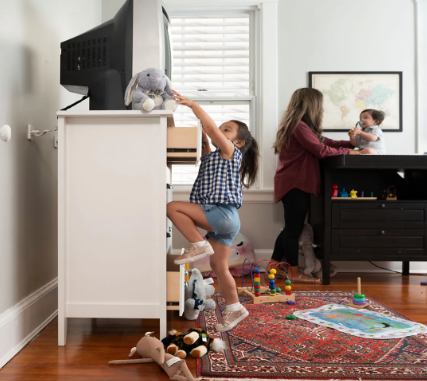
Stopping toddlers from climbing furniture can feel like an uphill battle. Their natural curiosity and developing motor skills often lead them to explore their surroundings, which can pose safety risks. Here are practical strategies to help keep your little ones safe while fostering their curiosity.
1. Create a Safe Environment
One of the best ways to prevent toddlers from climbing furniture is to create a safe environment for them to explore. This includes arranging furniture in such a way that makes it less enticing to climb. Positioning shelves and cabinets against the wall, using non-slip mats, and securing heavy furniture can all make a positive difference in your home safety.
Additionally, removing any tempting items from surfaces can help. For instance, keeping toys, plants, or decorative items off shelves can eliminate the urge for your toddler to climb up to reach them. Consider using furniture designed specifically for toddlers, like low tables or soft play structures to give them safer climbing options.
-
- Secure heavy furniture to the wall.
-
- Remove items that might tempt climbing.
-
- Provide alternative climbing options.
-
- Keep pathways clear to prevent falls.
2. Set Clear Boundaries and Consequences
Establishing clear boundaries is essential for helping your toddler understand what behaviors are acceptable. Use simple language to explain why climbing is dangerous. Instead of just saying “no,” you can say something like, “Climbing on the couch can make you fall and get hurt.” This provides context that will help them understand your concerns.
If they persist in climbing despite your warnings, it’s important to have consistent consequences. This could mean temporarily removing them from the situation or limiting their climbing opportunities. Be sure to communicate with empathy; making it clear that you want them to be safe can help them understand better.
-
- Use simple language to explain dangers.
-
- Consistently enforce boundaries.
-
- Communicate with empathy.
-
- Make consequences clear and immediate.
3. Offer Engaging Alternatives
Providing engaging alternatives can significantly reduce your toddler’s desire to climb furniture. Establish a dedicated play area filled with safe toys, climbing structures, and interactive play. This helps satisfy their curiosity and physical exploration without the risks associated with furniture climbing.
Incorporating activities that encourage physical movement, such as dance parties or obstacle courses, can also be beneficial. You might even consider enrolling them in a toddler-friendly class that focuses on movement and balance. This approach can channel their energy into safe, productive activities.
-
- Set up a dedicated play area for safe exploration.
-
- Incorporate movement activities into daily routines.
-
- Engage them with interactive toys and games.
-
- Introduce toddler-friendly classes.
By creating a safe environment, setting clear boundaries, and offering engaging alternatives, you can effectively reduce the temptation for toddlers to climb furniture. With time and patience, you’ll notice safer habits developing.
In conclusion, while it can be challenging to keep toddlers from climbing furniture, implementing these strategies can make a significant difference in their safety and your peace of mind. Take time to observe their behavior and adjust your approach as necessary. Remember, safety comes first!