
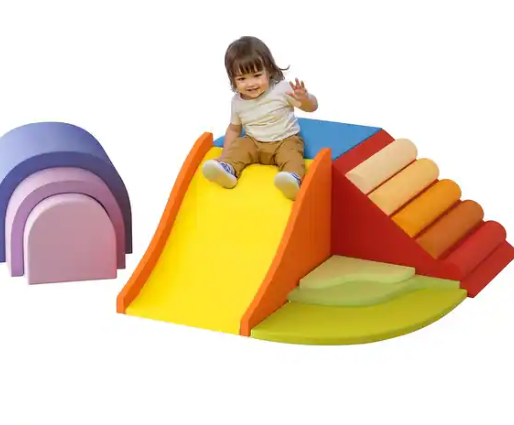
As toddlers grow and develop, their natural curiosity often leads to a desire to climb and explore their surroundings. This can lead parents to seek out furniture that is not only functional but also safe for their adventurous little ones. Child-safe furniture plays a crucial role in creating a secure environment for climbing toddlers.
1. Choose the Right Materials
When selecting furniture, consider the materials used. Opt for furniture made from solid wood or certified non-toxic materials to ensure that they are safe for young children. Avoid furniture with sharp edges, splinters, or toxic finishes, as toddlers are prone to bumps and scrapes. Soft, rounded edges are preferable as they reduce the risk of injury during those accidental falls.
Additionally, some materials inherently provide better durability and safety for climbing. For instance, looking for items that are constructed from sturdy materials like plywood or particleboard with a non-toxic laminate can provide the stability needed for climbing adventures. Always check for safety certifications, especially with items intended for children.
-
- Choose furniture with rounded edges.
-
- Look for solid wood or non-toxic materials.
-
- Ensure durability with materials like plywood or laminate.
-
- Avoid furniture with sharp edges or splinters.
2. Secure Large Pieces of Furniture
Large furniture pieces, such as bookcases or dressers, can pose a significant risk if not properly secured. Toddlers often attempt to climb these structures, which can lead to tipping and grave injuries. To prevent this, it’s essential to secure these items to the wall using anti-tip straps or brackets. This simple precaution can drastically reduce the risk of accidents, giving both you and your child peace of mind.
Moreover, placing heavier items at the bottom of the furniture can help maintain balance. Also, storing frequently used items within reach encourages safe play. If the furniture is designed with climbing in mind, like a low, stable play structure, it will further encourage physical activity while keeping your child secure.
-
- Secure large furniture to the wall with anti-tip brackets.
-
- Store heavier items at the bottom of the furniture.
-
- Encourage safe play by placing frequently used items within reach.
-
- Consider low, stable climbing structures for play.
3. Designate Safe Climbing Zones
Creating dedicated areas for climbing helps children understand where it is acceptable to explore their physical abilities. Designate specific zones filled with soft materials that can cushion falls. Soft play mats, foam blocks, or even low furniture can create safe climbing spaces, allowing toddlers to practice climbing in a controlled environment. You can assemble various colorful climbing toys for added interest and safety.
Encouraging children to climb within these designated areas will not only help with motor skill development but also keep them safe. Regularly check that the area remains clutter-free and that equipment is in good condition to prevent accidents during playtime. Remember, actively supervise your child while they play to further ensure their safety.
-
- Designate specific areas for climbing activities.
-
- Create soft play zones with mats or foam blocks.
-
- Monitor the climbing equipment for damage regularly.
-
- Supervise toddlers while they play to ensure safety.
In conclusion, investing in child-safe furniture for climbing toddlers is essential for a secure and nurturing environment. By choosing the right materials, securing larger items, and designating climbing zones, you can foster exploration while ensuring safety. Consider consulting with a child safety expert or pediatrician for additional insights to further enhance your child’s safety at home.