
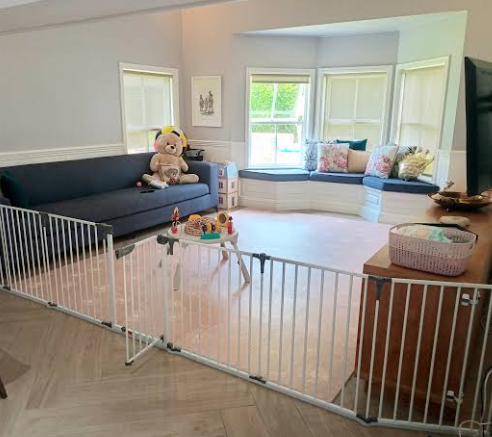
Designing a child-friendly home can be a challenging yet rewarding task, especially in open plan spaces where everything feels interconnected. Choosing the right furniture that ensures safety and comfort for little ones is essential for both functionality and peace of mind.
1. Understanding Safe Materials
When selecting furniture for homes with children, it’s vital to consider the materials being used. Look for pieces made from non-toxic, durable materials that can withstand rough handling and spills. For instance, furniture made from solid wood or high-quality metal tends to be both robust and safer compared to pressed wood or plastic, which can off-gas harmful chemicals.
Moreover, ensure the finishes on any furniture are child-safe. Opt for finishes that are water-based or certified non-toxic. For example, brands that comply with the ASTM standards for children’s furniture provide peace of mind regarding safety. Always check for certifications like Greenguard or CertiPUR, ensuring the materials used are safe for indoor use.
-
- Choose solid wood or high-quality metal furniture.
-
- Look for non-toxic and water-based finishes.
-
- Verify certifications such as Greenguard or CertiPUR.
-
- Avoid furniture with pressed wood or harmful plastics.
2. Design and Structure Essentials
Beyond materials, the design and structure of furniture play a critical role in child safety. Look for rounded edges and corners on tables, consoles, and other furniture items. Sharp edges can pose major hazards, especially in active households where children are often running around. Brands increasingly offer rounded designs specifically catered to families with young children.
Incorporating multifunctional furniture can also enhance both safety and practicality. For instance, ottomans that double as storage can help avoid clutter and hazards by keeping toys out of walking paths. Modular sofas can be rearranged based on safety preferences, making them versatile as kids grow and their needs change.
-
- Opt for furniture with rounded edges and corners.
-
- Invest in multifunctional pieces like storage ottomans.
-
- Consider modular sofas for flexibility as kids grow.
-
- Avoid heavy furniture that can tip over easily.
3. Flexible Layouts for Supervision
In an open plan home, flexibility in furniture layout can drastically improve your ability to supervise your children. Establish zones for activities such as play and rest to foster a safe environment. For example, placing a play mat with soft modular couches nearby allows easy supervision while children engage in activities.
Utilizing rugs and furniture arrangements can help delineate different areas. In doing so, you can create a dedicated space for play that feels separate yet accessible, allowing parents to oversee their little ones easily. Additionally, ensure that heavy furniture is anchored to the walls to prevent tipping as children explore their surroundings.
-
- Designate specific zones for play and rest areas.
-
- Use rugs to visually separate different spaces.
-
- Ensure heavy furniture is anchored to prevent tipping.
-
- Keep frequently used items within easy reach of parents.
4. Easy-to-Clean Options
With children, messes are inevitable, so choosing furniture that is easy to clean is crucial. Fabrics such as microfiber or treatment-resistant synthetic textiles can resist stains and spills better than those made from natural fibers. When fabrics repel spills, cleaning becomes a breeze, allowing parents to maintain a tidy environment with minimal effort.
Another consideration is furniture with removable covers, which can be washed regularly to maintain hygiene. Look for items like slipcovered sofas or chairs; they can be thrown in the washing machine, offering both convenience and peace of mind when kids are around. Additionally, selecting surfaces that can be wiped down easily, such as leather or vinyl, helps to address messes swiftly.
-
- Select stain-resistant fabrics for easier cleaning.
-
- Choose furniture with removable and washable covers.
-
- Consider wipeable surfaces like leather or vinyl.
-
- Regularly inspect and clean furniture to maintain hygiene.
5. Safe Storage Solutions
Effective storage solutions are a must in any child-friendly open plan home. Consider using furniture with built-in storage features, such as coffee tables with drawers or storage benches. This ensures toys and other items are easily accessible for kids while keeping the living space clutter-free, reducing the risk of accidents.
In addition, organizing storage at a child’s level encourages independence. Use baskets or bins that are easily reachable so kids can learn to put away their toys after playtime. Avoid high shelves for child-related items, as they can become hazard zones if children attempt to climb for items.
-
- Invest in storage furniture like tables or benches with compartments.
-
- Keep storage bins at child height for easy access.
-
- Promote good habits by encouraging children to use storage solutions.
-
- Avoid placing heavy items on high shelves.
Creating a safe and functional environment in open plan homes is entirely possible with thoughtful choices regarding furniture. By prioritizing safe materials, designs, and storage solutions, parents can ensure their homes are both stylish and secure for their children. So, take the next steps to evaluate your current furniture and explore options that will truly enhance safety for your family!