
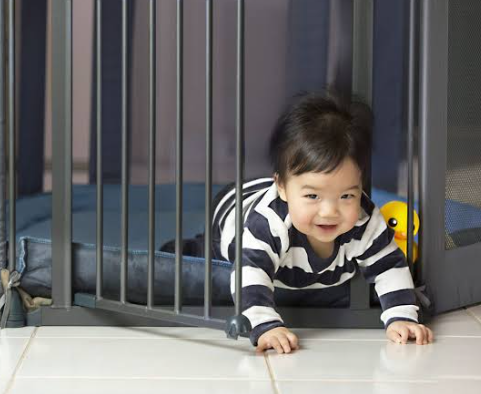
As your baby takes their first steps, safety becomes a top priority. Learning to walk is an exciting milestone, but it also presents new risks in the home environment. Proper furniture safety measures can help protect your little one as they explore their newfound mobility.
1. Secure Your Furniture
One of the first steps to ensuring safety for your baby is to secure your furniture properly. Babies often lean against or pull themselves up on furniture, which could lead to tipping hazards. Heavy items like bookshelves, dressers, and entertainment centers should be anchored to the wall to prevent them from toppling over.
Consider using safety straps or brackets that can easily be applied to most types of furniture. If you are unsure how to secure a particular piece, consult a guide or a professional for tailored advice. Regularly check the stability of furniture as children grow and their climbing abilities develop; make adjustments as necessary.
-
- Use anti-tip brackets for heavy furniture.
-
- Regularly check the stability of shelves and cabinets.
-
- Keep valuable or heavy items on the bottom shelves.
-
- Ensure that all furniture is free of sharp edges.
2. Create a Safe Play Environment
Design the play area with safety in mind. Soft mats and padded flooring are excellent for cushioning any falls that might occur while your baby is learning to walk. Additionally, consider placing soft furniture like ottomans or bean bags around where your baby practices walking.
Removing any sharp-edged furniture, such as coffee tables or side tables, from the immediate walking area can significantly reduce the risk of injury. Keep toys within reach to encourage safe play, and consider using gates to create boundaries in areas that may not be baby-proofed.
-
- Use soft play mats to cushion falls.
-
- Remove sharp-edged furniture from walking paths.
-
- Create designated play zones using gates.
-
- Keep toys and distractions within reach to sidetrack falls.
3. Regularly Reassess and Update Safety Measures
As your baby grows and their walking skills begin to advance, it’s crucial to reassess your home safety measures. What worked when they were new walkers might not be sufficient as they gain confidence and agility. Make it a habit to walk through your home as if you were a toddler, noting potential hazards that may have been overlooked.
Consider keeping a checklist of safety measures and regularly updating it as your child grows. New furniture acquisitions or room rearrangements should prompt a safety audit to ensure the environment remains child-friendly. Always stay alert as little ones can find new and unexpected ways to explore.
-
- Conduct a monthly safety assessment of your home.
-
- Involve older siblings in safety checks to raise awareness.
-
- Consider reconfiguring furniture arrangements as your child grows.
-
- Regularly review safety products like corner guards.
Prioritizing furniture safety during your baby’s walking phase is vital for peace of mind. By securing furniture, creating a safe play environment, and regularly reassessing, you can foster a safe space for your child to explore and grow. Don’t hesitate to reach out to a safety expert if you have specific concerns or need additional guidance. Your baby’s safety is worth every precaution!