
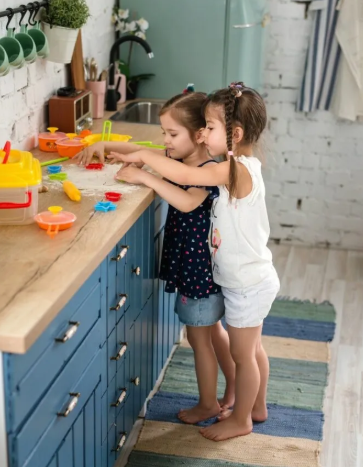
Creating a safe environment for children is crucial, and one often overlooked aspect is drawer safety. With curious little fingers around, it’s essential to design drawers that minimize risks while still being functional and stylish.
1. Soft-Close Drawer Mechanisms
A great way to enhance safety is by installing soft-close drawer mechanisms. These mechanisms gradually close the drawer, preventing it from slamming shut, which can cause injuries to little fingers. This feature is especially useful in kitchens or living spaces where children frequently play or explore.
Not only do soft-close mechanisms enhance safety, but they also promote longevity in furniture. Drawer slides that close gently reduce wear and tear over time, maintaining the integrity of the drawer and the content inside. By investing in this feature, you’re making your furniture safer and extending its lifespan.
-
- Research compatible soft-close hardware for your existing drawers.
-
- Consult a professional for installation if necessary.
-
- Test the mechanism after installation to ensure it functions properly.
-
- Incorporate soft-close options in new furniture purchases.
2. Childproof Locks and Latches
Childproof locks and latches are essential elements in any child-safe drawer design. These devices can keep drawers securely shut, preventing access to potentially harmful objects. For example, kitchen utensils, cleaning supplies, or valuable items should be out of reach. It’s easy to install a variety of locking mechanisms tailored to your needs.
Various types of locks are available, such as magnetic locks that require a specific key or latch designs that are strategic in placement, limiting children’s ability to reach them. Consider how often each drawer is accessed when choosing the locking system, balancing safety with convenience.
-
- Choose locks that fit the style and material of your furniture.
-
- Test the locks to ensure they are difficult for children but easy for adults.
-
- Regularly check the lock condition and functionality.
-
- Educate children about safe access, if appropriate.
3. Rounded Edges and Corners
Drawer designs don’t just stop at locking mechanisms; physical safety features like rounded edges and corners play a significant role. Sharp corners can pose a severe risk of injury, especially for playful toddlers. By opting for furniture with rounded profiles, you’re decreasing the chance of cuts and bruises.
If you have existing furniture, consider adding corner guards which easily adhere to your drawer corners. These soft guards not only enhance safety but can also come in fun designs that appeal to young children. Investing in such modifications shows commitment to a safe living space.
-
- Measure your furniture before purchasing corner guards.
-
- Select guards made from durable, non-toxic materials.
-
- Regularly clean and check guards for wear and tear.
-
- Educate older children about safety when moving around furniture.
4. Inaccessible Storage Solutions
Consider creating drawers that are intentionally designed to be inaccessible to young children. This can include using drawer systems that are located high up or using partitioned storage in a way that keeps dangerous items out of reach. For instance, placing tools or sharp objects in overhead cabinets can significantly reduce risk.
If your space permits, investing in stylish, tall cabinets with doors can keep items hidden and secure. Many modern cabinets come with built-in locks and can be designed to coordinate with the overall aesthetic of your home, combining safety with style seamlessly.
-
- Evaluate the accessibility of your current drawer storage.
-
- Invest in high cabinets or shelves for unsafe items.
-
- Utilize decorative boxes to keep items out of sight but accessible.
-
- Consider using furniture anchors to secure tall cabinets.
5. Drawer Material Safety
The materials used in your drawers can significantly affect child safety. Choose non-toxic, durable materials that do not splinter or break apart easily. For example, solid wood or high-quality engineered wood are safer than particleboard, which may contain harmful chemicals.
When opting for drawer liners, choose those that are made from safe, BPA-free materials. Liners can keep items secure while also contributing to the overall safety of the drawer. Investing in quality materials means prioritizing the well-being of your child in everyday situations.
-
- Research materials and finishes before making purchases.
-
- Request information about safety certifications for children’s furniture.
-
- Regularly check for signs of wear and replace aged materials.
-
- Choose biodegradable or recyclable options where possible.
Creating a child-safe environment takes careful consideration, especially regarding drawer design. By implementing these strategies, you’ll ensure both safety and functionality in your space. Take the time to assess your home, consult a professional if needed, and start making adjustments that will keep your little ones secure and curious!