
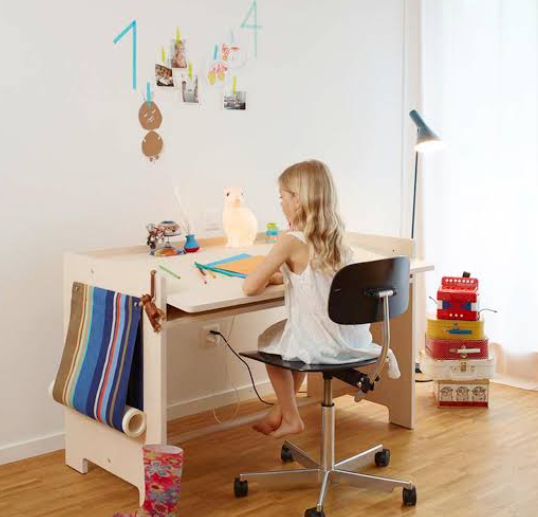
As children grow, their study habits and environments evolve too. Choosing the right study desk not only fosters better learning but also ensures safety and comfort for your little ones. Here, we delve into the essentials of selecting child-safe study desks tailored to the unique needs of children.
1. The Importance of Ergonomics in Child-Safe Desks
Ergonomics plays a crucial role in cultivating a healthy study environment for children. A well-designed desk promotes proper posture, reducing the risk of discomfort and long-term health issues. For instance, desks that are too high or too low can lead to slouching or awkward seating positions, potentially resulting in back and neck pain.
When selecting an ergonomic desk, ensure that it is adjustable to grow with your child. Many models on the market allow for height adjustments, accommodating children of various sizes and ages. This means that as your child grows, the desk can be adjusted to maintain proper ergonomic alignment, supporting healthier study habits.
-
- Choose desks with adjustable heights.
-
- Check if the desk surface is large enough for books and a laptop.
-
- Look for a chair that complements the desk’s height.
-
- Ensure the desk includes a footrest for stability.
2. Materials and Safety Features for Child Study Desks
When shopping for study desks for children, it’s essential to consider the materials used in their construction. Look for desks made from non-toxic materials to ensure a safe study environment. Desks crafted from solid wood or high-quality laminate are often more durable and free from harmful chemicals compared to cheaper alternatives.
Additionally, safety features like rounded edges, stable construction, and non-slip feet can prevent accidents. A desk that doesn’t tip easily and has smooth surfaces can greatly reduce the risk of injuries during study sessions or playtime. Always prioritize quality and safety to create a conducive learning atmosphere.
-
- Opt for non-toxic, durable materials.
-
- Check for rounded edges to eliminate sharp corners.
-
- Look for desks with stable legs or bases.
-
- Ensure the finish is smooth to avoid splinters.
3. Organization and Storage Solutions in Child Study Desks
An organized workspace can significantly enhance a child’s focus and productivity. Desks that come with built-in storage options such as drawers, shelves, or compartments can help maintain a clutter-free environment. This not only makes it easier for children to locate their school supplies but also teaches them valuable organizational skills.
Consider desks with open and closed storage options to cater to different organizational needs. Open shelves can be handy for frequently used items, while closed drawers can securely store less used materials, reducing distractions during study time. Finding a desk that includes these features aligns with supporting your child’s organizational growth.
-
- Look for desks with multiple storage compartments.
-
- Choose desks with both open and closed storage options.
-
- Encourage children to sort their materials for easy access.
-
- Ensure storage is child-friendly and within reach.
4. Making the Study Desk Inviting and Personalized
A study desk that reflects your child’s personality can greatly enhance their learning experience. Allowing your child to decorate their space with colors, designs, or themes can make studying feel more engaging and enjoyable. This personalization not only motivates them but also creates a sense of ownership over their study area.
Involve your child in choosing the desk’s design and surroundings. You can select a desk color or style that fits your child’s interests, such as themes inspired by their favorite characters or colors they love. Adding personal touches can significantly improve their approach to homework and study sessions.
-
- Encourage your child to choose desk colors or themes.
-
- Add personal decorations like photos or artwork.
-
- Incorporate organization tools that match their style.
-
- Use vibrant stationery and supplies to brighten up the space.
In conclusion, choosing child-safe study desks is an investment in your child’s future learning and well-being. By focusing on ergonomic designs, safe materials, storage solutions, and personalization, you can create a functional and inviting study environment. Make the right choice today and set the stage for productive and enjoyable study experiences for your child.