
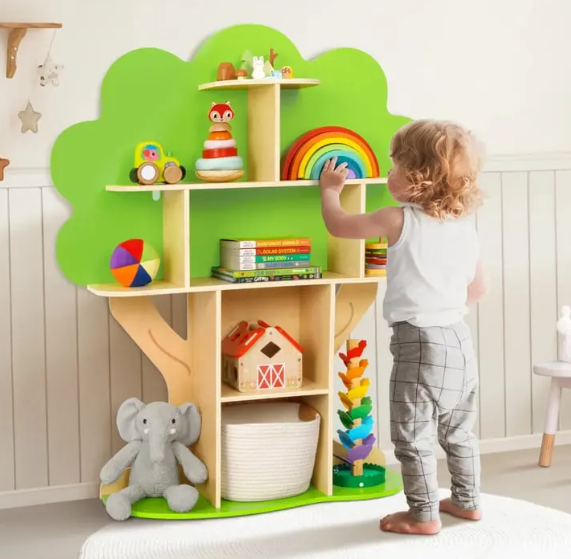
Creating a safe environment for your children goes beyond simply monitoring their activities; it includes making sure that furniture, like bookshelves, is securely anchored. Bookshelves can become hazardous if not properly fixed, leading to potential injuries. Here’s how you can ensure your bookshelves are safe for your little ones.
1. Understanding the Risks
The first step in securing bookshelves for child safety is understanding why they can be dangerous. Young children are naturally curious and may attempt to climb or pull on furniture when exploring their environment. Bookshelves, especially those that are tall or not anchored to a wall, can easily tip over, resulting in serious injury. In fact, the U.S. Consumer Product Safety Commission reports that thousands of children are injured each year due to tipping furniture.
In addition to falling over, improperly placed books or heavy items can cause shelves to become unbalanced, increasing the risk. It’s essential to assess your specific situation, as the risk level can vary based on the height and design of your bookshelf. Being proactive in understanding these risks can help you implement the right safety measures.
-
- Assess your bookshelf’s height and stability.
-
- Identify any heavy items that may be placed on the top shelves.
-
- Consider your child’s age and climbing ability.
-
- Be aware of the signs of instability, such as wobbling.
2. Anchoring Techniques
Securing your bookshelf to the wall is one of the most effective ways to prevent tipping. This process typically involves using brackets, straps, or other anchoring devices that can hold the bookshelf securely in place. Most hardware stores offer these types of products specifically designed for child safety, making it easier for parents to find the right materials. Depending on your wall type—drywall, concrete, or brick—you may require different anchors to ensure a solid installation.
Begin by choosing an appropriate height for your anchors, generally about a third of the way down from the top of the bookshelf. This will help distribute weight evenly and minimize the likelihood of tipping. Use a level to align the bookshelf correctly, and always double-check that it’s stable before letting your child near it. Involvement in the anchoring process not only makes the bookshelf safer but also educates you on proper installation techniques.
-
- Purchase wall anchors and safety straps at your local hardware store.
-
- Use a level to ensure the bookshelf is perfectly straight.
-
- Secure the bookshelf to wall studs when possible.
-
- Regularly check the stability after installation.
3. Organizing Content Wisely
How you organize the contents of your bookshelf can also play a significant role in safety. For example, storing heavier books and items on lower shelves can help lower the risk of the shelf tipping over if a child climbs on it. Avoid placing heavy items on the top shelves and ensure that the lower shelves are easily accessible. This sort of strategic organization minimizes the chance of children reaching for items that might cause the shelf to become unbalanced.
In addition to weight distribution, consider utilizing bookends or designating shelves specifically for toys or other lightweight items. Make sure that all items placed on accessible shelves are safe for your children, reducing the temptation for them to pull items off the shelf. By creating a well-organized bookshelf, you are not only promoting child safety but also encouraging your child’s literacy through easy access to books.
-
- Store heavier items on the bottom shelves.
-
- Use bookends to help keep books in place on shelves.
-
- Designate specific shelves for toys to minimize risk.
-
- Regularly rearrange items for safety and easy access.
4. Regular Safety Checks
Regular maintenance and safety checks of your bookshelves can prevent accidents before they occur. Children grow quickly, and their curiosity often leads them to explore new avenues of danger. It’s essential to set a routine for inspecting the furniture in your home, including bookshelves, for any signs of wear or instability. Ideally, these checks should be performed once every couple of months, especially if your child is growing or if you’ve recently added more books or items to the shelves.
Check for loose screws, wobbly legs, or any items that might be precariously placed. If you notice anything concerning, make immediate repairs or adjustments. Remember that safety is an ongoing process, and being proactive will give you peace of mind while your children play and learn around the bookshelves.
-
- Set a reminder for regular safety checks, at least every two months.
-
- Inspect for loose screws and make necessary repairs.
-
- Look for wobbles or instability, adjusting as needed.
-
- Consider your child’s changing interests and adjust shelves accordingly.
Securing your bookshelves may seem like a simple task, but it is crucial for ensuring a safe home for your children. By understanding the risks, employing proper anchoring techniques, organizing contents wisely, and performing regular safety checks, you can reduce the chance of accidents significantly. Take the time to implement these strategies, and you’ll create a safer environment for your littles ones to thrive.