
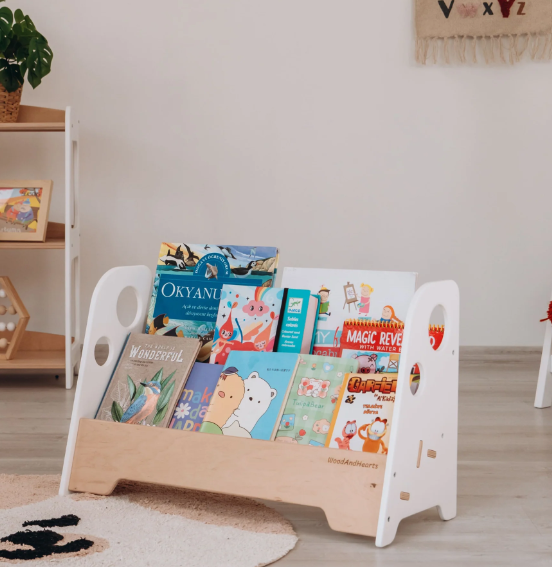
Creating a playroom that combines fun and safety is essential for both parents and children. One crucial element in this space is the shelving used for books and toys. Choosing child-safe bookshelves not only enhances the room’s organization but also ensures the love for reading is cultivated in a safe environment.
1. Choosing the Right Materials
When selecting bookshelves for a playroom, the materials used are of utmost importance. Opt for shelves made from non-toxic, durable materials that can withstand the wear and tear of daily use. Solid wood or sturdy engineered wood is ideal, as it is less likely to splinter compared to particle board. Additionally, ensure that any paints or finishes used are child-safe and free from harmful chemicals, so your little ones can explore their surroundings without health concerns.
Another point to consider is the weight of the shelves; heavier materials will generally be more stable. Lightweight, flimsy shelves could tip over, especially if children decide to climb on them or reach for a book at the top. Look for products that have undergone safety testing or come with certifications, like ASTM or EN standards, to gain peace of mind.
-
- Choose solid or engineered wood for durability.
-
- Ensure paints and finishes are non-toxic.
-
- Look for weights that enhance stability.
-
- Verify safety certifications like ASTM or EN.
-
- Avoid particle board for longevity.
2. Designing with Safety Features
Safety features in a playroom should include bookshelves designed to prevent tipping and accidents. One effective solution is to wall-mount shelves, providing additional stability. If you prefer freestanding units, make sure they re secure by anchoring them to the wall with brackets. Additionally, consider choosing shelves with rounded edges and corners to minimize the risk of injuries during active play.
Overloading shelves can lead to dangerous tipping. Therefore, it’s essential to organize books and toys by weight, placing heavier items on lower shelves. This practice helps maintain balance and prevents accidents. Ensure that the playroom is spacious enough for your child to move around freely, which also reduces the risk of bumping into furniture.
-
- Wall-mount shelves where possible.
-
- Secure freestanding bookshelves to the wall.
-
- Choose shelves with rounded edges.
-
- Organize items from heaviest at the bottom to lightest at the top.
-
- Maintain clear pathways for safe movement.
3. Involving Your Child in Organization
Creating a child-safe playroom doesn’t only involve selecting the right furniture; it also includes teaching kids how to use the space responsibly. Get your child involved in organizing their books and toys. When children help choose where their favorite books should go, they develop a sense of ownership that encourages them to take care of their belongings and the space around them.
Additionally, use clear bins or labeled containers to store smaller items and manage clutter effectively. This organizational strategy will teach kids how to maintain an orderly environment. Encourage them to return items to their designated spots after play, gradually instilling lifelong habits of responsibility and cleanliness.
-
- Involve your child in organizing their shelves.
-
- Use clear bins for easier viewing of contents.
-
- Label containers for better understanding.
-
- Reward them for keeping the playroom tidy.
-
- Make organizing a fun activity to encourage participation.
4. Regular Safety Checks and Maintenance
Safety doesn’t stop at installation; it requires ongoing diligence. Regularly check your bookshelves for any signs of wear, such as loose screws or wobbly parts. Tightening screws or replacing parts that show signs of stress can prevent larger problems later on. Also, dust and clean the shelves regularly to keep them in optimal condition and maintain a healthy play environment.
Kids grow, and so do their needs and interests. As children grow older, their play items may change, requiring adjustments to how bookshelves are organized. Periodically reassess the contents of the shelves to make sure they meet your child’s current interests and safety needs. This proactive approach makes it much easier to ensure that playtime remains safe and enjoyable.
-
- Conduct monthly safety checks on all shelves.
-
- Tighten loose screws promptly.
-
- Dust and clean shelves regularly.
-
- Reassess shelf contents every few months.
-
- Replace worn-out parts as needed.
Finally, investing time and effort into creating a safe playroom with well-organized bookshelves is worthwhile. With the right materials, safety features, and ongoing maintenance, you can create an engaging and secure space for your children. Don’t hesitate to reach out to professionals if you require assistance in creating the best possible environment for your little ones.