
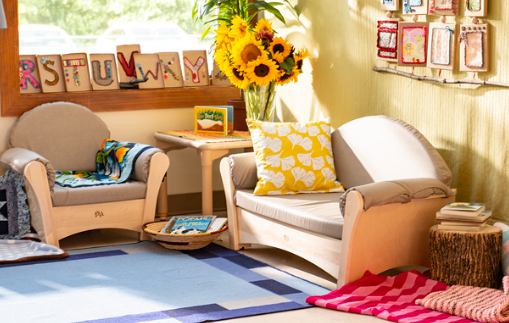
Creating a safe environment in daycare centers extends beyond supervision; it includes the choice of furniture. Selecting child-safe furniture is vital, as it drastically reduces the risk of injuries and enhances the overall safety of children during their developmental years.
1. The Importance of Non-Toxic Materials
When choosing furniture for daycare centers, it is crucial to consider materials that are free from harmful chemicals. Many traditional furniture items contain volatile organic compounds (VOCs) and toxic substances that can affect children’s health. Always opt for furniture made from non-toxic, eco-friendly materials that adhere to safety regulations.
For instance, look for products labeled as low-VOC or made from sustainable timber. Additionally, ensure that the finishes and paints used are child-safe, as these will contribute to a cleaner breathing environment inside the daycare. Understanding the certifications and claims can significantly impact the choices you make.
-
- Research certifications like GREENGUARD or FSC for material safety.
-
- Avoid furniture with synthetic materials or untreated wood.
-
- Inspect the furniture for any off-gassing odors, indicating harmful substances.
-
- Inquire about the finishing materials used in the furniture selection.
2. Design for Safe Usage
Design plays a vital role in the safety of daycare furniture. Edges should be round or soft to prevent injuries when children run or play in close proximity. Moreover, consider the height and scale of the furniture, ensuring it is suitable for the age group of the children. Low seating options, such as bean bags or floor cushions, allow younger children to navigate without falling from a height.
Moreover, the arrangement of furniture can influence safety. Create clear pathways for movement, avoiding overcrowded areas where children might bump into furniture. Thoughtful design, such as incorporating soft play areas and interactive setups, can also engage children while minimizing risks.
-
- Choose rounded-edge tables and chairs to reduce injury risks.
-
- Arrange furniture to create open play spaces without obstructions.
-
- Incorporate play mats in high-activity areas for extra cushioning.
-
- Use lightweight furniture for easy rearrangement as needed.
3. The Role of Stability and Durability
The furniture chosen for daycare settings must also be stable and durable to withstand daily use by energetic children. An unstable piece can topple over, leading to accidents that can injure a child. Chairs should have a wide base, and tables should be heavy enough to stay put when in use.
Additionally, investing in high-quality, durable materials means that furniture can endure wear and tear, reducing the frequency of replacements. For example, hard plastic surfaces can be wiped down easily while maintaining their structural integrity, making them a practical choice for messy play activities.
-
- Select furniture made from strong, durable materials like hardwood or commercial-grade plastics.
-
- Audit the furniture periodically for any signs of wear and tear.
-
- Choose furniture with anti-tip features, especially for taller items.
-
- Incorporate storage options that are secure yet accessible to promote organized play.
4. Age Appropriateness of Furniture
Furniture in daycares must be suitable for the age group it serves. Toddler furniture will differ significantly from that designed for preschoolers or older children, requiring careful consideration of size and functionality. For instance, the height of tables and chairs should fit comfortably for children to use without straining.
Incorporating multifunctional furniture can also optimize space while catering to different age groups. Consider transitional pieces that can be adjusted or adapted as children grow. For example, adjustable height tables can accommodate both younger toddlers and older preschoolers as they develop.
-
- Assess the specific needs for different age groups when selecting furniture.
-
- Use adjustable furniture to extend usability over time.
-
- Consider activity-specific furniture, such as reading nooks for quiet time.
-
- Provide various options like standing and sitting desks to cater to different preferences.
5. Maintenance and Cleaning Considerations
Maintenance is another critical aspect of ensuring furniture remains safe for children. Regular cleaning and inspections help in identifying potential hazards, such as loose screws or sharp edges. Selecting furniture materials that are easy to clean will save time and ensure hygiene, particularly in environments where children frequently eat or engage in messy activities.
For instance, chairs with removable covers or tables with wipeable surfaces will significantly reduce the burden of maintenance. Additionally, set up a routine for deep cleaning to ensure a sanitized environment, particularly in settings dealing with multiple children throughout the day.
-
- Create a cleaning schedule outlining regular maintenance tasks.
-
- Use safe, non-toxic cleaning agents that don’t harm children.
-
- Inspect and tighten screws and fasteners regularly to keep furniture secure.
-
- Train staff on proper handling and maintenance of furniture.
In conclusion, choosing the right child-safe furniture for daycare centers is essential for ensuring the well-being of children. By focusing on materials, design, durability, and maintenance, you can create an environment that is both functional and conducive to a child’s growth and safety. Take the time to evaluate your current furniture and make adjustments where necessary for a safer daycare experience.