
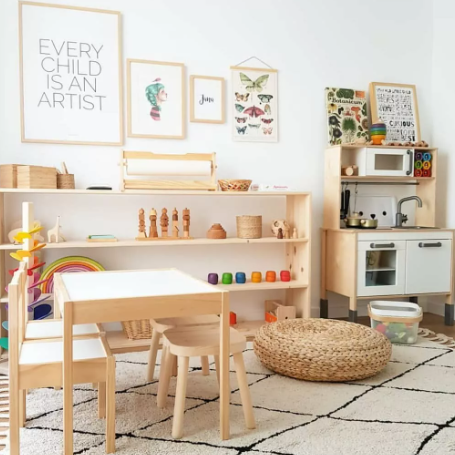
Creating a fun and safe playroom for your child is crucial for their development and well-being. The right furniture not only enhances their play experience but also ensures that they are safeguarded against potential injuries. Here’s a guide to choosing child-safe furniture that aligns with your parenting goals.
1. Choosing Non-Toxic Materials
When selecting furniture for your child’s playroom, it is essential to prioritize non-toxic materials. Many traditional furniture pieces can contain harmful chemicals such as formaldehyde and VOCs (volatile organic compounds), which can negatively impact air quality. Opting for furniture made from solid wood, certified organic materials, or eco-friendly finishes can benefit your child’s health significantly.
Additionally, some materials like MDF (medium-density fiberboard) can emit harmful toxins over time. Instead, look for pieces that explicitly state they are free from harmful chemicals or are certified by recognized organizations like Greenguard. This way, you create a healthy environment where your child can play and grow.
-
- Research manufacturers who prioritize health and safety.
-
- Look for certifications like Greenguard or EcoLabel.
-
- Choose solid wood over MDF or particleboard.
-
- Avoid plastic furniture that can contain harmful additives.
2. Soft Edges and Rounded Corners
Children are naturally curious and often playful, which means they may bump into furniture from time to time. Selecting furniture that features soft edges and rounded corners can help minimize the risk of cuts and bruises. Look for tables, chairs, and shelves designed with safety as a priority, ensuring your playroom remains a space for exploration rather than accidents.
In addition to rounded corners, consider the height of the furniture. Low tables and chairs are ideal for younger children, enabling safe access to toys and crafts while minimizing the chance of falls or tip-overs. Multi-level furniture is also a smart choice, as it can address various play styles and needs as your child grows.
-
- Choose tables and chairs with rounded edges.
-
- Avoid sharp cornered furniture, especially on low pieces.
-
- Opt for adjustable-height options as your child grows.
-
- Regularly inspect furniture for wear and tear, especially on edges.
3. Stability and Durability
The furniture in a playroom needs to be stable and durable to withstand the energetic activities of children. This is especially important for items such as bookshelves and play tables that may hold a lot of weight or experience rough use. Look for heavy-duty constructions and solid bases to ensure your furniture can endure years of play.
Keep in mind that some decorations might also act as furniture, like stools and storage bins. Make sure these items can handle the weight and resist tipping, especially when children are climbing or reaching for toys. Stability reduces accidents and lays the groundwork for your child to explore their space safely.
-
- Choose furniture with a heavy base to reduce tipping.
-
- Regularly check for stability and ensure screws are tightened.
-
- Avoid open shelving that can fall over easily.
-
- Look for furniture made from high-quality materials that can withstand frequent use.
4. Easy-to-Clean Surfaces
Children are notorious for their messy play. Therefore, opt for furniture with easy-to-clean surfaces. Materials like vinyl, leather, or treated wood can help keep your playroom looking good as they can be wiped clean easily. If you’re investing in fabric, consider those with stain-resistant treatments to make cleanup simpler when spills occur.
Additionally, think about how often you will need to clean the furniture. Furniture that can be easily disassembled or features removable covers can be fantastic choices for maintaining hygiene in your child’s space. A clean environment is vital for your child’s overall health and can also promote a more enjoyable playtime experience.
-
- Choose wipeable surfaces like vinyl or leather.
-
- Look for stain-resistant fabric options.
-
- Ensure that removable covers are washable for easy cleaning.
-
- Create a regular cleaning schedule to maintain hygiene.
5. Multi-Functional Furniture
In a playroom where space can be limited, multi-functional furniture serves as an excellent solution. Look for options like storage benches that provide seating while also storing toys, or convertible tables that can be used for playtime and then transformed for artwork. This not only maximizes space but also encourages your child’s creativity.
Furthermore, consider furniture pieces that are easily portable. Items like lightweight chairs or floor cushions allow flexible seating arrangements for playdates or family activities. These versatile choices can adapt to various needs, providing an efficient setup that evolves as your child’s activities change.
-
- Choose storage options that double as seating.
-
- Look for tables that can adapt to different activities.
-
- Opt for lightweight furniture for easy rearrangement.
-
- Encourage your child to help organize and maintain their space.
Creating a child-safe playroom requires careful consideration of the furniture you choose. By focusing on non-toxic materials, safety features, durability, ease of cleaning, and multi-functionality, you can provide a secure and enjoyable environment for your child to explore and play. Start reassessing your playroom today to create a safe haven that supports your child’s growth and creativity.