
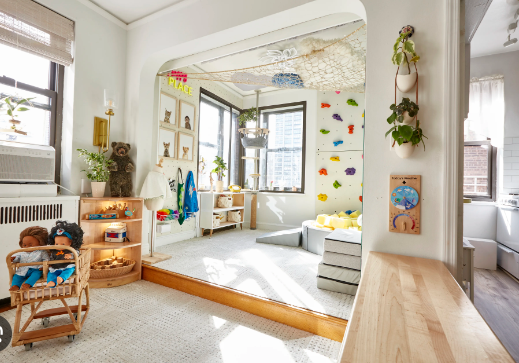
Finding child-safe furniture for small apartments can be a daunting task, especially with the myriad of choices available in the market. Safety, functionality, and space efficiency are crucial when selecting items that will not only serve their purpose but also keep your little ones safe. This guide will help you navigate the best options for child-safe furniture that fits well in limited spaces.
1. Opt for Rounded Edges Furniture
When selecting furniture for small apartments, one major consideration is the potential for injuries caused by sharp corners. Choose items with rounded edges to reduce the risk of accidents. Tables, chairs, and cabinets with soft curves can keep your child safe while also adding an aesthetically pleasing touch to your living space.
In addition to being safer, rounded edge furniture often looks more modern and can fit seamlessly into various design themes. This functional aesthetic harmony can enhance the overall feel of your apartment while ensuring that your children can move around freely without the worry of bumping their heads or getting hurt.
-
- Look for furniture that specifically advertises “kid-safe” or “soft edge” designs.
-
- Consider multi-functional furniture like round coffee tables that double as play areas.
-
- Regularly inspect furniture for any wear or sharp edges that might appear over time.
-
- Encourage guests to be mindful of their movements around the furniture when children are present.
2. Invest in Multi-functional Furniture
In small apartments, space is precious, making multi-functional furniture an excellent choice. Items like sofa beds, ottomans with hidden storage, or storage benches can serve multiple purposes, providing more room for play while keeping the area organized. Furniture that adapts to your family’s needs will not only promote safety but also optimize your apartment’s space.
For instance, a bench with hidden storage can hold toys or games, keeping the living area tidy while also providing a seating option for your family or guests. This way, you can maintain a clutter-free environment where children can play safely and freely without tripping over scattered items.
-
- Choose a sofa bed to offer extra sleeping space when needed.
-
- Look for tables with built-in storage compartments for toys.
-
- Consider modular furniture that lets you change the layout as your needs evolve.
-
- Opt for collapsible or foldable furniture to create extra space when necessary.
3. Durable and Easy-to-Clean Materials
Durability and ease of maintenance are essential features to consider when selecting child-safe furniture. Children, especially when young, can be prone to spills, messes, and scrapes. Furniture made from materials like microfiber or stain-resistant fabrics can save you time and money in the long run because they are easier to clean and more resistant to wear and tear.
Moreover, using materials that can withstand rough use can prolong the life of your furniture. Leather or leather-like alternatives can be wiped clean effectively, which helps maintain a hygienic environment as your children explore their surroundings. Always check for non-toxic finishes to ensure safety.
-
- Choose materials that are labeled as “easy to clean” or “stain-resistant.”
-
- Opt for wipeable surfaces when selecting chairs or sofas.
-
- Avoid furniture made from materials which may chip or shatter easily.
-
- Regularly clean surfaces with non-toxic cleaners to maintain a safe environment.
4. Secure Heavy Furniture
One of the most overlooked aspects of child safety is securing heavy furniture such as bookshelves or cabinets to the wall. It is vital to install anti-tip brackets to prevent any chances of a heavy piece of furniture tipping over in case of climbing or pulling. This additional step can significantly reduce the risk of injury in your small apartment.
Routinely check the condition and stability of your furniture pieces to ensure that they are properly anchored and not at risk of falling. This practice can also provide peace of mind for parents, knowing that the living space is as safe as possible. Investing time in securing furniture ensures a less hazardous environment for both exploration and play.
-
- Use safety straps or anchors to secure large furniture against the wall.
-
- Keep heavy items on lower shelves to reduce the risk of tipping.
-
- Regularly inspect secured furniture to ensure stability.
-
- Educate older children about the importance of not climbing on furniture.
5. Create a Safe Play Zone
Designating an area in your small apartment as a safe play zone can significantly enhance your child’s experience while ensuring their safety. Use rugs or padded mats to create a soft landing area, minimizing the chances of injury during play. Additionally, incorporate child-friendly furniture like small tables and chairs specifically designed for kids to encourage their creativity.
Visual barriers or low storage units can also help define this area and organize toys neatly, limiting clutter around the apartment. Encouraging children to stay within this zone will foster independence while keeping them safe from potential hazards found in other parts of the home.
-
- Use colorful rugs or mats to mark out the play area.
-
- Limit the types of toys allowed in the main areas to enhance safety.
-
- Involve your child in maintaining the play zone to instill a sense of responsibility.
-
- Regularly rotate toys in and out to keep the play zone exciting and engaging.
Creating a child-safe environment in your small apartment does not have to be a challenge. With careful consideration and smart choices regarding furniture, you can foster both safety and style in your living space. Make these adjustments and take the next step toward creating a nurturing home for your little ones!