
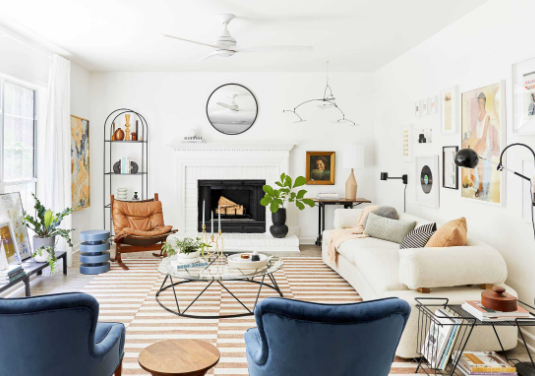
Creating a stylish interior often hinges on the harmonious pairing of furniture elements, and one of the most crucial components is the coffee table. Coffee tables not only serve a functional role but also act as a centerpiece that can enhance the overall decor of a living space. This blog post will guide you through the art of coffee table pairing to achieve a cohesive and stylish interior.
1. Choosing the Right Coffee Table Style
The style of your coffee table should reflect the overall theme of your living room. For example, a mid-century modern living room pairs beautifully with a sleek, low-profile coffee table featuring clean lines. Conversely, a rustic or farmhouse-style space benefits from a reclaimed wood table that adds warmth and texture. Consider how the shape and material of your table will fit within your existing design elements.
When selecting a coffee table, think about the color palette of your room. A glass coffee table can offer an airy feel, perfect for smaller spaces, while a dark wood table can ground a room filled with lighter hues. Remember that the style and function should align; if your space is often used for entertaining, a larger table with a sturdy build would be more practical.
-
- Assess the existing style of your room.
-
- Experiment with shapes—round, square, or rectangular.
-
- Consider materials that complement your decor.
-
- Ensure the table height is appropriate relative to your seating.
2. Accessorizing Your Coffee Table
Once you’ve selected the perfect coffee table, accessorizing it can elevate the look even further. Layering textures through books, decorative trays, and plants can add depth and interest to the table. For instance, a stack of coffee table books paired with a small succulent or a stylish candle can create a winning combination that draws the eye. Ensure that the accessories are not too cluttered, allowing for both beauty and functionality.
Balance is key when accessorizing. A symmetrical arrangement on one side of the table can create a polished look, while an asymmetrical design can feel more casual and laid-back. Don’t forget to leave space for beverages or snacks if your table is used for entertaining. A well-styled table invites interaction and conversation.
-
- Layer accessories to add dimension.
-
- Mix materials like wood, ceramics, and glass.
-
- Use varying heights to create visual interest.
-
- Avoid overcrowding; leave room for functionality.
3. Harmonizing with Other Furniture
Your coffee table should complement other furniture pieces in your living room, such as sofas and side tables. If your sofa has minimalist lines, a more ornate coffee table can create an interesting contrast. Additionally, consider the color and finish of your surrounding furniture. A brass coffee table can shine against a fabric sofa, while a wooden coffee table with a similar finish to a side chair can create a seamless flow throughout the space.
Moreover, think about the size and scale of your coffee table in relation to your couch and armchairs. A large sectional might require a bigger table to maintain proportionality, while a small two-seater can be complemented by a petite table. Striking the right balance will enhance both functionality and aesthetics.
-
- Evaluate the size of your coffee table against other furniture.
-
- Choose complementary colors and materials.
-
- Mix styles for a more dynamic look.
-
- Pay attention to the natural flow and movement in the room.
Elevating your interior decor with well-considered coffee table pairings can transform your living space into a stylish haven. By selecting the right style, accessorizing thoughtfully, and harmonizing with surrounding furniture, you can create an inviting atmosphere that’s both functional and aesthetic.
In conclusion, take the time to carefully select a coffee table that complements your style and enhances your living space. Don’t hesitate to experiment with accessories and furniture pairings to see what works best for you. Happy decorating!