
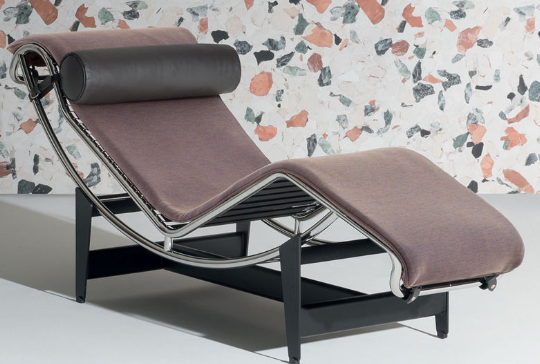
Le Corbusier’s chaise longue exemplifies innovative design that seamlessly integrates functionality and aesthetic appeal. As a pivotal piece in modernist furniture, it reflects Le Corbusier’s vision of unity between art and everyday life. Understanding its origins and concepts not only enhances appreciation for this iconic piece but also informs contemporary design perspectives.
Historical Context and Design Philosophy
Created in 1928, Le Corbusier’s chaise longue emerged during a transformative period in architecture and design. Influenced by the burgeoning modernist movement, Le Corbusier aimed to redefine furniture as a tool that elevates human experience. The chaise longue embodies his belief in the importance of comfort, providing a space for relaxation while adhering to minimalism and functionalism that defined his work.
Materials and Construction
The chaise longue showcases a combination of steel and leather, which reflects Le Corbusier’s commitment to industrial materials. Its tubular steel frame allows for a lightweight yet sturdy structure, demonstrating an advance in manufacturing techniques of the time. By using leather as upholstery, the chaise combines durability with luxury, creating a visually appealing contrast that remains enduring in style.
Influence and Legacy
Le Corbusier’s chaise longue has left an indelible mark on furniture design, inspiring countless designers who seek to balance form and function. Its sculptural qualities and ergonomic design invite users to explore new ways of sitting and lounging, influencing modern furniture aesthetics. Today, replicas and adaptations of the chaise longue continue to thrive, attesting to its timeless relevance in the world of design.
Exploring the legacy of Le Corbusier’s chaise longue can deepen your understanding of modernist design principles. Dive further into the world of iconic furniture or consider how these concepts can inspire your own surroundings. Embrace the blend of art and functionality in your space today!