
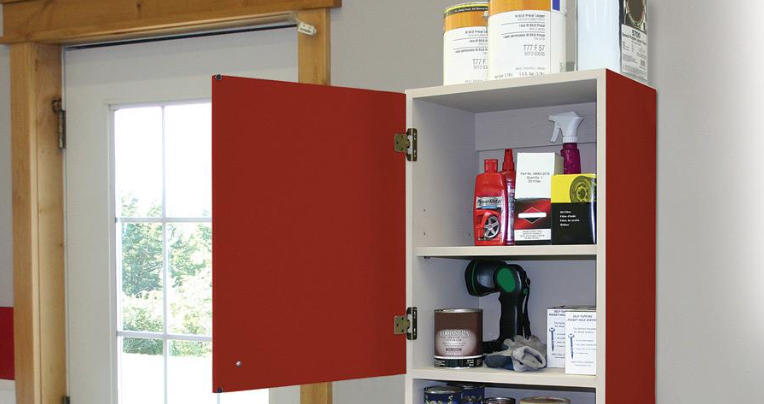
Creating a wooden wall cabinet is a gratifying project that combines functionality and aesthetics in your home. Whether you need extra storage or a decorative display space, a custom cabinet can enhance your interior design while offering practical solutions for organization. Understanding the steps to craft a wooden wall cabinet can also boost your woodworking skills, making it an excellent venture for both beginners and seasoned builders.
Gathering Materials and Tools
Before starting, it’s crucial to gather all necessary materials and tools to ensure a smooth construction process. You will need sheets of plywood or hardwood for the cabinet body, wood screws, wood glue, and a finish such as stain or paint. Essential tools include a circular saw, drill, measuring tape, level, and clamps. Organizing your workspace with everything at hand will help you stay focused and efficient throughout the project.
Designing Your Cabinet
Once you have your materials, the next step is to design your cabinet. Decide on dimensions based on the space available and what you’ll store or display inside. Simple sketching can help visualize your cabinet layout, including shelves, doors, or even drawers. Consider functional features like adjustable shelves or soft-close hinges for doors, which can enhance usability and overall appeal.
Building and Finishing the Cabinet
Start by cutting the plywood or hardwood pieces according to your design specifications. Assemble the pieces using screws and wood glue for a sturdy structure. Ensure the cabinet frame is square by measuring diagonally across corners. Once assembled, sand the surfaces to achieve a smooth finish before applying your chosen stain or paint. After the finish dries, mount the cabinet securely to the wall, ensuring it is level to maintain stability and safety.
Embarking on creating a wooden wall cabinet not only beautifies your space but also provides hands-on experience in woodworking. Enjoy the satisfaction of completing a project that is both useful and stylish, and consider exploring more advanced techniques for future projects. Your next DIY endeavor awaits—happy building!