
As parents, the safety of our children is paramount. One often overlooked aspect is the potential hazards within our homes, particularly regarding furniture. Understanding furniture hazards and how to address them can create a safer environment for your little ones.
1. Sharp Edges and Corners
Sharp edges and corners on furniture can be a significant hazard for infants and toddlers who are just beginning to explore their surroundings. A simple bump can result in serious injuries, especially in spaces like living rooms, where coffee tables and entertainment centers abound. Therefore, it’s crucial to evaluate the furniture in your home, focusing specifically on pieces that have sharp edges. Consider covering these areas with protective corner guards or opting for furniture designed with rounded corners.
In addition to preventive measures, you might also want to rearrange furniture to create a safer play area. For instance, place soft mats or rugs around sharp furniture to cushion any unexpected falls. This not only provides a padded surface but also establishes clear boundaries for play. By being proactive, you can significantly reduce the chance of accidents.
-
- Assess all furniture for sharp edges.
-
- Invest in corner guards for dangerous pieces.
-
- Rearrange furniture to minimize the risk of sharp bumps.
-
- Use rugs or mats in high-traffic play areas.
2. Heavy Furniture and Tip-Over Risks
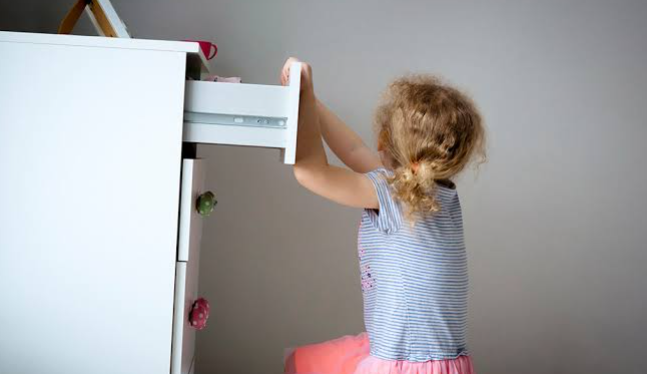
Another common hazard is heavy furniture that can tip over if not secured properly. Items like bookshelves, dressers, and cabinets can become dangerous, especially if children decide to climb on them or pull on open drawers. To mitigate this risk, anchor heavy pieces to the wall using brackets or straps, which prevents them from tipping during an earthquake or while children are playing around them.
Regular checks on your furniture can also help in reducing potential hazards. For example, ensure that dressers are emptied of heavy items or that shelves are not overflowing. An organized and well-secured environment allows for safe exploration and minimizes risk, giving your little ones more freedom to play safely.
-
- Anchor heavy furniture to walls.
-
- Keep heavy items on lower shelves to prevent top heaviness.
-
- Remove items such as toys that may entice climbing.
-
- Inspect regularly to ensure that items are securely in place.
3. Toxic Materials in Furniture
The materials used in furniture can pose health risks, especially for young children who often crawl on the floor and place objects in their mouths. Items like chemical flame retardants, lead in paint, and formaldehyde can be hazardous in children’s environments. Selecting furniture made from non-toxic materials can significantly reduce exposure to these harmful substances. Check for certifications such as GREENGUARD or look for natural materials, like solid wood, that have undergone minimal chemical treatments.
Moreover, consider the role of upholstery and soft furnishings, which can harbor harmful substances as well. Opt for organic or untreated fabrics whenever possible to make a healthier choice for your child’s space. Knowledge about the materials you bring into your home helps you create a safer environment, free from harmful chemicals that can impact your child’s health.
-
- Choose non-toxic, certified furniture.
-
- Opt for natural materials like solid wood.
-
- Beware of soft furnishings and their chemical exposure.
-
- Research brands committed to sustainability and safety.
4. Clutter and Obstructed Pathways
Clutter can be a hidden hazard in any home, particularly regarding furniture and layout. Excess items scattered throughout a room can lead to accidental trips and falls, especially in homes where children play. Regularly assessing the space can help parents reduce clutter. Designate specific areas for toys so that they are less likely to become a tripping hazard.
Encouraging children to help in maintaining their play areas will also cultivate responsibility while minimizing risks. Teach them to pick up their toys and place them in designated storage spots, paving the way for safer navigation around furniture. An organized space not only reduces hazards but also creates a more enjoyable environment for your child to explore and learn.
-
- Keep pathways clear of obstacles.
-
- Designate storage spaces for toys and items.
-
- Involve your kids in tidying up regularly.
-
- Assess clutter frequently to maintain a safe environment.
When it comes to furniture hazards, a little diligence can go a long way toward ensuring your home is a safe space for your children. Take these steps seriously and make regular checks to create an environment where safety thrives. Consulting with a professional for further safety assessments can also be beneficial, giving you peace of mind as your children grow and explore their world.