
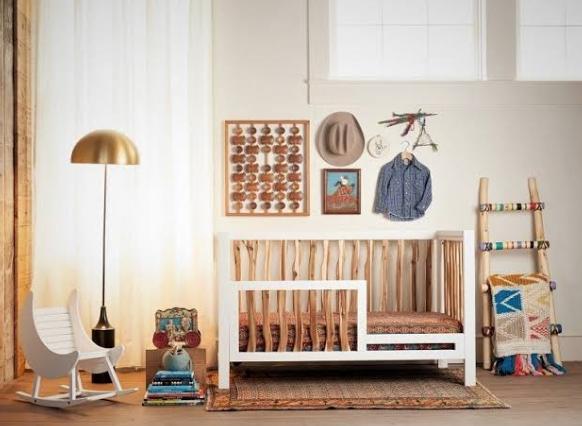
When it comes to furnishing a child’s room, parents often look for pieces that are not only stylish but also safe and environmentally friendly. This blog post explores eco-friendly options that keep your child safe while also promoting a sustainable lifestyle.
1. Choose Sustainable Materials
One of the most effective ways to ensure that your child’s furniture is eco-friendly is by selecting pieces made from sustainable materials. Bamboo, reclaimed wood, and certified organic cotton are excellent choices. Bamboo, for example, grows rapidly and absorbs a significant amount of carbon dioxide, making it a highly renewable resource. Reclaimed wood, on the other hand, reduces the need for new timber while giving furniture a unique character from its history.
Make sure to check certifications such as Forest Stewardship Council (FSC) approval for wood products and OEKO-TEX certification for textiles. These certifications indicate that the materials are sustainably sourced and free from harmful chemicals, ensuring a safer environment for your children.
-
- Look for furniture with sustainable certifications.
-
- Consider items made from reclaimed or recycled materials.
-
- Opt for furniture that uses water-based finishes and non-toxic adhesives.
-
- Choose products made from rapidly renewable materials like bamboo.
2. Opt for Non-toxic Paints and Finishes
When selecting or refinishing furniture, it is crucial to pay attention to the paints and finishes being used. Traditional paints can emit volatile organic compounds (VOCs) that may be harmful to young children. Instead, opt for non-toxic paints free from lead and heavy metals, which are safer for indoor use and have lower emission levels. Brands that specialize in eco-friendly paints often offer vibrant colors that can brighten any child’s room.
Additionally, consider finishes that are water-based and biodegradable. Natural oils and waxes can provide an eco-friendly finish that meets safety standards while being appealing visually. Involving your child in choosing colors can make the process more engaging while teaching them about eco-conscious choices.
-
- Choose low-VOC or zero-VOC paints for any furniture touch-ups.
-
- Search for brands that disclose their materials and processes.
-
- Consider using natural finishes like beeswax or linseed oil.
-
- Involve your children in choosing colors while explaining eco-friendly choices.
3. Invest in Multi-functional Furniture
It’s wise to invest in multi-functional furniture pieces that grow alongside your child. For example, a convertible crib that transforms into a toddler bed can save you money and resources while reducing waste. Similarly, storage ottomans can serve as seating, storage spaces, and even toy boxes, simplifying the organization in your child’s room.
Not only does multi-functional furniture help in making the best use of space, but it also encourages a minimalistic lifestyle by reducing clutter. This not only promotes mental well-being but also makes cleaning easier for parents. Look for designs that can adapt to changing needs, thus prolonging the furniture’s lifecycle.
-
- Choose multifunctional items like cribs that convert into beds.
-
- Look for storage solutions that serve multiple purposes.
-
- Consider modular furniture that can be reconfigured as needed.
-
- Assess the longevity of products before purchasing.
4. DIY and Upcycle Projects
If you’re feeling crafty, DIY and upcycling projects can be a fun and eco-friendly way to create unique furniture pieces for your child’s room. By repurposing old furniture, you not only save materials but also add a personal touch. Sanding and painting a second-hand dresser in your child’s favorite colors makes it not only one-of-a-kind but also a valuable learning experience.
You can also involve your child in the upcycling process, teaching them about sustainability and encouraging creativity. From turning old crates into bookshelves to modifying a beat-up table into a craft station, the possibilities are endless. Additionally, many local workshops offer classes on DIY furniture making which can be a fun outing for you and your child.
-
- Start small with easy DIY projects to boost your confidence.
-
- Involve your child for educational and bonding opportunities.
-
- Search for online tutorials to guide your upcycling efforts.
-
- Visit thrift stores or garage sales for furniture with potential.
5. Prioritize Quality over Quantity
Investing in high-quality furniture may seem expensive upfront, but it pays off in the long run. Well-made pieces will last through the wear and tear of childhood, reducing the need for replacements. Look for brands with a commitment to sustainability, quality craftsmanship, and ethical labor practices. Choosing quality over quantity not only saves you money but also minimizes your environmental impact by reducing waste.
Additionally, durable furniture can often be passed down or resold, extending its lifecycle even further. Consider items like solid wood furniture that can withstand years of use, and choose carefully designed pieces that are functional and aesthetically pleasing. This philosophy encourages children to appreciate their belongings and fosters an eco-conscious mindset.
-
- Invest in sturdy, timeless pieces that can grow with your child.
-
- Evaluate warranty and return policies when shopping for furniture.
-
- Research brands known for their durability and sustainability.
-
- Opt for classic designs that won’t go out of style quickly.
In conclusion, choosing eco-friendly, child-safe furniture is a significant step towards creating a healthy and sustainable environment for your little ones. By prioritizing sustainable materials, quality craftsmanship, and shared projects like DIY, you can not only make informed choices but also instill valuable lessons in eco-consciousness in your children. Start transforming your child’s space today!