
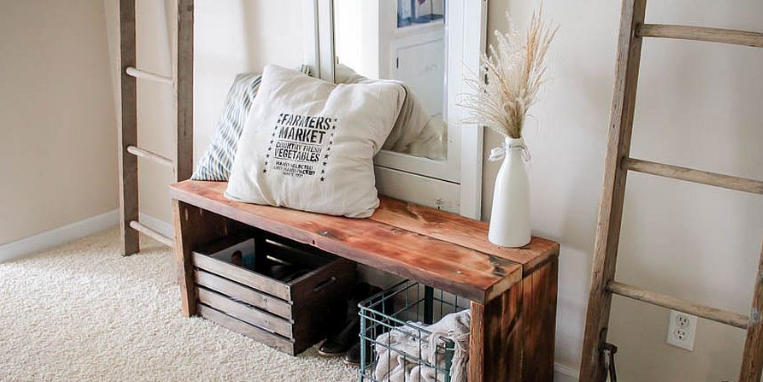
Creating a DIY wooden hallway bench can be a rewarding project that not only adds aesthetic value but also enhances functionality in your home. This project is particularly relevant for those looking to maximize small spaces or add a personalized touch to their entryway. With some essential tools, materials, and a little creativity, you can craft a beautiful piece that reflects your style while offering seating and storage options.
Choosing the Right Materials
The first step in building your wooden hallway bench is selecting the appropriate materials. Pine, oak, and plywood are popular choices for their strength and ease of workability. Consider the finish you want; for a rustic look, salvaged wood can add character, while new, smooth wood offers a clean, modern appearance. Additionally, don’t forget about protective finishes like varnish or wood stain to enhance durability and ensure your bench withstands daily use.
Designing Your Bench
Before you start cutting any wood, sketch out your design based on the dimensions of your hallway and your personal style. Consider how high and wide you want the bench to be; typically, a height of about 18 inches works well for seating. Incorporate features like a backrest for comfort or cubbies beneath the seat for storage. Planning these details early on will help you visualize the end product and make construction smoother.
Assembly and Finishing Touches
Once your materials are ready and your design is finalized, it’s time for assembly. Begin by cutting the wood to size according to your plan, ensuring all pieces fit together snugly. Use wood screws or dowels for a sturdy build, and reinforce corners for added strength. After assembling, sand the surface for a smooth finish, apply your chosen stain or paint, and complete with a clear coat for protection. Don’t forget to add cushions or decorative elements to make your bench cozy and inviting!
Building your own wooden hallway bench not only enhances your space but also provides a fulfilling DIY experience. Dive into this project, and you’ll appreciate both the craftsmanship and the utility it brings to your home. Whether you’re a beginner or a seasoned DIY enthusiast, there’s something satisfying about creating functional art for your living space. Happy building!