
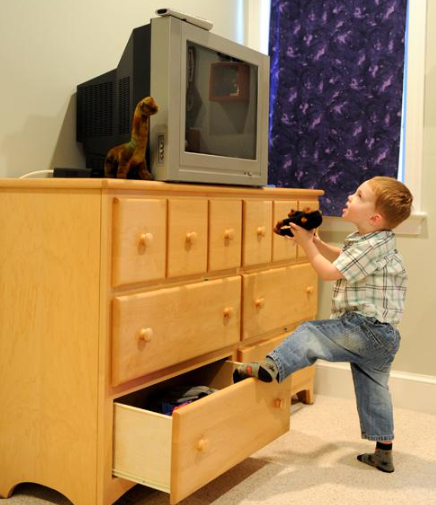
The safety of our homes is paramount, especially when it comes to young children. The U.S. Consumer Product Safety Commission (CPSC) emphasizes the importance of preventing furniture tip-overs, which can lead to serious injuries or even fatalities. In this guide, we will explore ways to ensure that your furniture is secure and safe for everyone in the household.
1. Understanding the Risks of Furniture Tip-Overs
Furniture tip-overs often occur when heavy items are not anchored securely, creating a risk for children and pets who may inadvertently push against or climb on them. Statistically, it is reported that a child dies every 11 days due to tip-over incidents. Common culprits include dressers, bookshelves, and televisions that are not anchored to walls or properly weighed down.
Parents and caregivers should be aware that children love to climb and explore, making it crucial to assess the stability of furniture pieces within reach. Even adults can inadvertently cause furniture to tip if they lean or apply pressure incorrectly. Therefore, understanding the potential risks of furniture tip-overs can help you take proactive steps in safety measures around your home.
-
- Regularly check the stability of your furniture.
-
- Avoid placing heavy items on upper shelves.
-
- Teach children about the dangers of climbing on furniture.
-
- Use furniture that is appropriately sized for your home environment.
2. Anchoring Furniture for Added Security
Anchoring furniture to the wall is one of the most effective methods for preventing tip-overs. Many manufacturers provide specific components for securing their products, such as brackets and screws. It’s important to follow the instructions carefully to ensure that the furniture is properly secured.
Consider using brackets for large dressers, entertainment centers, and bookshelves. In addition to these, weighted objects placed on the base can also help enhance the stability of furniture. It is wise to consult with a hardware professional if you are unsure about how to anchor larger pieces securely.
-
- Purchase anchoring kits suitable for your specific furniture.
-
- Follow the manufacturer’s instructions for installation.
-
- Regularly check the anchors to ensure they remain secure.
-
- Consider hiring a professional if you’re uncomfortable with DIY solutions.
3. Everyday Practices to Mitigate Hazards
Besides anchoring, everyday practices can significantly reduce the risk of furniture tip-overs. Be mindful of what you place on shelves, and keep heavier items lower down. This makes furniture less top-heavy and decreases the likelihood of tipping. Also, be aware of your children’s play areas and remove any potential climbing hazards nearby.
Educating children on safe play is equally essential. Encourage them to avoid climbing on furniture or using it as a jumping platform. Maintaining a clutter-free environment around furniture can also play a vital role in reducing accidental incidents.
-
- Keep heavy items on lower shelves and light items above.
-
- Regularly reassess your child’s play environment.
-
- Encourage children to play safely away from unstable furniture.
-
- Use storage bins to reduce clutter and trip hazards.
4. Keeping an Eye on the Furniture’s Condition
Regular maintenance checks on your furniture’s condition can help spot vulnerabilities before tragedies occur. Look for signs of wear like loose joints, cracks, or an unsteady frame. If you find any of these issues, consider repairing the furniture or replacing it if necessary.
Also, monitor any new furniture purchases. Some items may come with safety certifications that ensure they meet appropriate safety standards. Researching products before buying can save you from unexpected dangers later on and offer peace of mind as you furnish your home.
-
- Inspect furniture for signs of wear and tear regularly.
-
- Research safety certifications when buying new pieces.
-
- Consider professional repair services for damaged items.
-
- Stay informed about recalls on furniture products.
In conclusion, ensuring furniture tip-over safety is a vital part of creating a secure environment at home. By understanding risks, anchoring furniture, adopting safe practices, and keeping an eye on furniture condition, you can significantly reduce potential hazards. Take the initiative to consult safety guidelines further or speak to professionals to enhance your home’s safety. Your family’s well-being is worth it!