
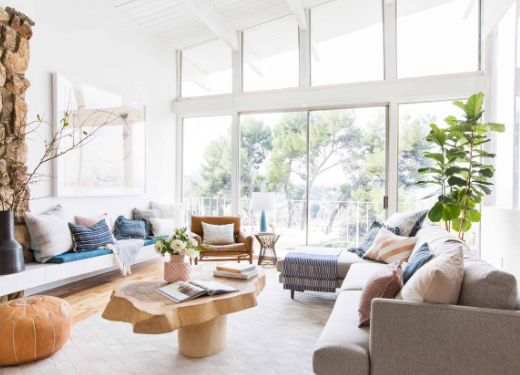
Creating a balanced living room involves more than just selecting the right furniture; it’s about crafting a harmonious environment that feels inviting and functional. One of the critical elements in achieving this balance is the coffee table. This often-overlooked piece can set the tone for the entire space. Here’s how to make the perfect coffee table pairing for ultimate living room balance.
1. Choosing the Right Size
Selecting the right size coffee table is foundational to the overall balance of your living space. If the table is too large, it can overwhelm the room and impede movement; if too small, it might look lost among larger furniture pieces. To determine the ideal size, consider your seating arrangement and the space available. A good guideline is to keep the coffee table about two-thirds the length of your sofa.
Don’t forget to consider height as well! The height of your table should be in harmony with the surrounding seating. A common rule is for the coffee table to be at the same height as the seat cushions of your sofa or slightly lower. This way, the table remains functional and easy to access without interrupting the flow of dialogue and movement in your living space.
-
- Measure your sofa and chairs to determine the best dimensions.
-
- Ensure there is about 18 inches of space between the sofa and coffee table for easy access.
-
- Choose a table height that complements the seating height.
-
- Consider the overall balance by visualizing proportions in the room.
2. Material Matters
The material of your coffee table can significantly affect the dynamics of your living room. Wood, glass, metal, and stone each bring a distinct style and feel. For example, a wooden table can add warmth and coziness, making it perfect for a rustic or traditional setting. On the other hand, glass tables can create an illusion of space in smaller rooms and provide a more modern aesthetic.
It’s also essential to consider how different materials interact with other elements in your room. If your couch is upholstered in a soft fabric, a shiny glass table might contrast beautifully; however, if everything else is sleek and modern, a wooden table could be a better fit to add warmth. Balance is not just about matching but rather creating a pleasing contrast.
-
- Consider your room’s overall design style when selecting materials.
-
- Mix and match different materials to create visual interest.
-
- Look for durable materials that suit your lifestyle (e.g. kids, pets).
-
- Match the material to the other furniture for a cohesive look.
3. Styling Your Coffee Table
How you style your coffee table can transform it from a simple functional piece to a beautiful focal point in your living room. Using a combination of decorative items like books, plants, and trays can make your table both inviting and practical. A stack of coffee table books paired with a small potted plant can bring life to the table, while candles can add coziness and warmth.
Consider creating a vignette that reflects your personality and interests. A well-styled coffee table can tell a story or become the conversation starter in your living area. Just remember to keep it organized and not overcrowded; too many items can create visual chaos and make the area feel cluttered.
-
- Use a tray to group similar items for a cleaner look.
-
- Incorporate natural elements like plants or flowers for freshness.
-
- Limit decorative items to three to five for balance.
-
- Change decorations seasonally to keep things fresh and engaging.
4. Consider Functionality
While aesthetics are crucial, functionality should not be overlooked when choosing your coffee table. Consider how you plan to use the table. If you regularly entertain guests, you might opt for a larger table with plenty of surface area. If your family enjoys game night, consider a coffee table that can double as a board game surface or one with storage capabilities for easy access to games and accessories.
Additions like drawers or shelves can also enhance functionality—offering storage for coasters, magazines, and remote controls. A lift-top table can provide extra surface area while hiding clutter below. Functionality should seamlessly blend with style to serve your living room needs effectively.
-
- Identify your primary coffee table uses before purchasing.
-
- Choose tables with hidden storage if space is limited.
-
- Consider mixing styles for uniqueness without sacrificing function.
-
- Make sure the table’s design complements your daily activities.
5. Personal Touch and Accessories
Finally, incorporating personal touches and unique accessories can elevate your coffee table styling from ordinary to extraordinary. Displaying items like family photos, heirlooms, or travels keepsakes can add a personal narrative to your living space. This not only makes the area feel more like home but can invite conversation from guests, creating a welcoming atmosphere.
Incorporate textiles such as a cozy runner or a decorative cloth to add layers and texture. Don’t shy away from playful elements, like quirky sculptures or even seasonal decorations. The key is to let your personality shine through while keeping the design balanced and inviting.
-
- Choose personal items that resonate with you and evoke fond memories.
-
- Layer textures with fabrics to create warmth.
-
- Rotate items regularly to keep the look fresh and engaging.
-
- Ensure colors and styles across items complement each other.
In conclusion, a well-paired coffee table is essential for achieving balance in your living room. By thoughtfully considering size, materials, styling, functionality, and personal touches, you can create a space that feels harmonious and inviting. Start experimenting with your coffee table now to make it a beautiful centerpiece in your home!