
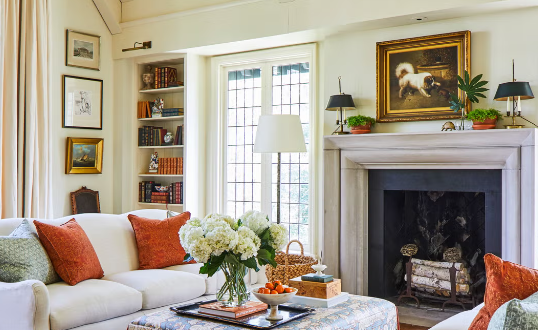
Creating an elegant home decor can be a delightful journey, particularly when it comes to styling your coffee table. A well-styled coffee table doesn’t just enhance the ambience of your living space; it showcases your personal taste and invites conversation. Let’s explore how to pair decorative items effectively to create a sophisticated look.
1. Choose the Right Surfaces and Materials
The surface of your coffee table serves as the foundation for your decor. Material choices such as wood, glass, or metal each bring a distinct vibe to your space. For instance, a glass coffee table evokes a modern, airy feel, making the room appear more open. On the other hand, a wooden table adds warmth and a touch of rustic charm that might be perfect for a cozy setting.
Consider how the material interacts with other elements in your room. If your living room features leather sofas, incorporating a metal coffee table can create a striking contrast. Similarly, pair a marble table with fabrics like linen or cotton to soften the overall look. Pay attention to scale and proportions, ensuring that your table’s material compliments your decor without overpowering it.
-
- Mix various materials like glass and wood for depth.
-
- Ensure your table’s surface matches your overall room style.
-
- Avoid small tables in large spaces; adjust the size accordingly.
-
- Incorporate textures like a woven table runner or placemats.
2. Layering Elements for Visual Interest
Layering is key to creating an inviting coffee table setup. Start with a backdrop, like a decorative tray or a fabric runner, to ground your decor. From there, experiment with varying heights and shapes. For example, using a stack of books at one end alongside a tall vase creates an appealing visual balance. You might also include a small bowl or a candle to add different dimensions to your arrangement.
Additionally, consider seasonal elements to bring freshness to your coffee table. In the fall, you can integrate small pumpkins, while in the summer, fresh flowers can uplift the decor. Rotating pieces according to seasons not only keeps your decor lively but also showcases your creativity and adaptability.
-
- Use trays to contain smaller decorative items for easy organization.
-
- Mix heights: Pair tall and short items for a dynamic look.
-
- Incorporate natural elements like plants or flowers for warmth.
-
- Change items based on seasons to keep the decor vibrant.
3. Incorporating Personal Touches
Adding personal elements to your coffee table can transform it from merely functional to profoundly inviting. Family photos in stylish frames, unique souvenirs from travels, or handmade crafts can act as conversation starters. Think about artifacts that reflect your personality or interests; they can tell a story without you having to say a word.
Incorporate functional items that also serve as decor. For instance, a chic coasters set or a unique bowl that holds remotes can blend function with aesthetic appeal. The goal is to curate a tabletop that not only looks beautiful but also resonates with your lifestyle and preferences.
-
- Choose items that tell a story about you or your experiences.
-
- Mix functional and decorative elements to enhance usability.
-
- Keep photos and artifacts in stylish frames for a cohesive look.
-
- Be selective; avoid clutter to maintain elegance.
4. Color Coordination for Cohesion
Colors play a crucial role in how decor items work together. To achieve a cohesive look, pick a color palette that complements your living room’s scheme. Neutral tones can provide sophistication, while bold colors can add vibrancy. If your furniture is predominantly neutral, consider using pops of color in your decor items, such as candles or vases, for a striking contrast.
Additionally, playing with shades and textures can elevate your tabletop. For example, if you have a glass coffee table, a textured royal blue fabric can bring both warmth and sophistication. Consider involving different shades of the same color to create depth while still maintaining harmony in your decor.
-
- Stick to a palette of 2-3 colors for a streamlined look.
-
- Incorporate varying shades of your chosen color for richness.
-
- Use textured items to add layers to your color scheme.
-
- Avoid clashes by ensuring colors complement your overall decor.
5. Functionality Meets Aesthetics
While aesthetics are important, don’t forget the functionality of your coffee table. It’s essential to leave space for everyday use, whether for placing drinks, snacks, or even your laptop. A beautiful arrangement should not compromise practicality. Consider how the table will be used daily when arranging decorative elements.
Think of a layout that allows your coffee table to serve multiple purposes without overwhelming it aesthetically. For instance, you might want to segregate items into zones—one for decor and another for practical use. This allows guests to enjoy the beauty without hindering functionality, ensuring your coffee table remains an essential part of your living space.
-
- Leave space for drinks and snacks to promote usability.
-
- Arrange items in zones to separate decor from practical usage.
-
- Consider the flow of movement around the coffee table.
-
- Regularly reassess your setup for practicality.
Creating an elegant coffee table setup is an art that combines a variety of elements, from material choice to personal touches. By using these tips, you can ensure your coffee table not only enhances the aesthetics of your home but also reflects your unique style. Start experimenting today to curate a decor that captivates both you and your guests!