
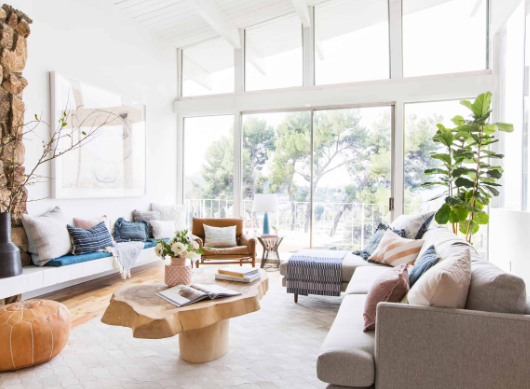
Designing your living space can be both an exciting and overwhelming task. Finding the perfect balance between your sofa and coffee table not only enhances the aesthetic appeal but also improves functionality. Here are some expert tips to help you create a harmonious and inviting living area.
1. Choosing the Right Sofa
The sofa is often the centerpiece of any living room, making it crucial to select one that complements the overall design of your space. Consider your lifestyle and personal style when choosing a sofa. For example, if you have pets or children, a durable fabric that can withstand wear and tear might be more practical than a luxurious velvet. Additionally, the size of the sofa in relation to the room’s dimensions is essential; an oversized sofa can overwhelm a small area, while a too-small one might look out of place.
Moreover, pay attention to the sofa’s height, as it should align with coffee table height for optimal comfort. Ideally, the seat should be around 14 to 18 inches higher than the tabletop. To maintain balance, choose a sofa color that either complements or contrasts beautifully with your decor. Darker colors create a dramatic vibe, while lighter shades can make your space look airier.
-
- Consider fabric options like microfiber for durability.
-
- Measure your space before purchasing a sofa.
-
- Think about the sofa’s style—modern, traditional, or eclectic.
-
- Ensure the color matches or enhances your room’s palette.
-
- Leave enough space for movement around the sofa.
2. Selecting a Coffee Table
When it comes to coffee tables, functionality meets style, and the right table should reflect that balance. Think about how you plan to use your coffee table—will it serve as extra seating, storage, or simply as a decorative piece? For a multifunctional approach, consider options like lift-top tables or those with built-in storage. These can help keep your living area tidy, especially if you have limited space.
In terms of style, the coffee table should complement the sofa without competing for attention. If your sofa is large and bold, opt for a minimalist coffee table that doesn’t overpower the space. Additionally, consider the shape; round tables work well in smaller spaces since they promote easy traffic flow, while rectangular tables often fit better with larger sofas and more expansive layouts.
-
- Determine the primary function of your coffee table.
-
- Match the coffee table style with your sofa.
-
- Consider shape according to your room layout.
-
- Look for storage options if needed.
-
- Choose a height that ensures comfort with your sofa.
3. Creating Harmony Between Sofa and Coffee Table
Establishing a cohesive look between your sofa and coffee table can elevate your living room’s overall design. One way to achieve this is by using similar colors or materials. For instance, if your sofa is upholstered in a gray fabric, a coffee table with a brushed metal base or gray accent will tie the two pieces together. Another method is layering textures; a glass-top table paired with a plush sofa can create an inviting contrast that adds depth to your space.
Don’t underestimate the power of accessories. Adding decorative items like books, candles, or a vase can personalize the coffee table and create visual interest. Ensure these accessories are appropriately sized and spaced, aiming for a clean but stylish appearance. Remember that balance is key; avoid crowding the table with too many items, which can lead to a chaotic look that detracts from the beauty of both the sofa and table.
-
- Use similar colors or materials for cohesion.
-
- Incorporate layering by mixing textures.
-
- Add some personal accessories to your coffee table.
-
- Avoid overcrowding with items.
-
- Focus on balance and symmetry for visual appeal.
4. Maintaining Comfort and Functionality
Comfort is paramount in any living room setting. The arrangement of your sofa and coffee table should encourage relaxation and interaction. Aim for a distance of about 18 inches between your sofa and coffee table, which allows for ample legroom while still allowing easy access to drinks and snacks. This distance is crucial for maintaining a welcoming environment, especially when entertaining guests.
Additionally, think about the arrangement of other furniture in the room. Side chairs or additional seating should complement the sofa and coffee table setup while ensuring that there’s enough room for movement. Arranging furniture into a conversational layout will enhance your living space’s functionality and encourage social interactions.
-
- Leave about 18 inches between the sofa and coffee table.
-
- Arrange furniture to create a conversational flow.
-
- Ensure chairs and other seating options work well with the sofa.
-
- Optimize the layout for easy access to drinks and snacks.
-
- Consider the overall balance of the room.
In conclusion, carefully selecting and arranging your coffee table and sofa can transform your living space into a stylish and comfortable haven. Don’t hesitate to experiment with different designs until you find the perfect combination that reflects your personal style and meets your lifestyle needs.