
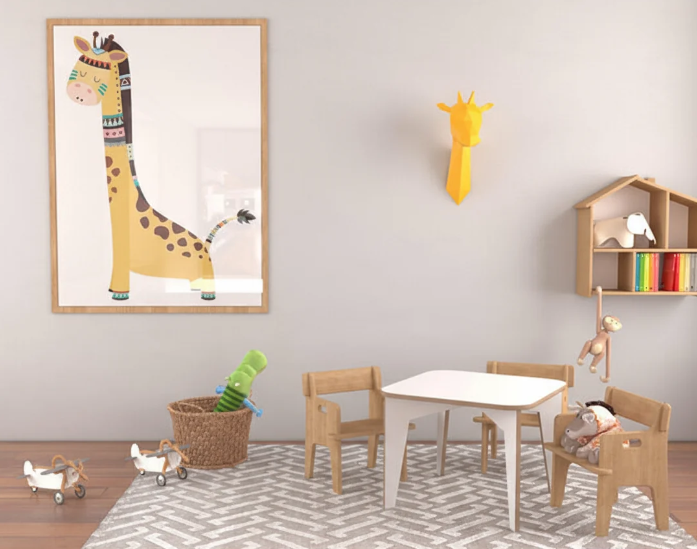
When it comes to creating a safe home environment for children, parents often overlook the importance of furniture safety standards. Understanding these standards can help prevent accidents and injuries, ensuring a secure space for kids to grow and play. This blog post delves into essential child-safe furniture standards that every parent should be aware of.
1. Stability and Tip-Over Prevention
One of the most critical aspects of furniture safety is stability. Furniture such as dressers, bookshelves, and entertainment centers can pose a significant risk if not properly anchored. Children are naturally curious and may try to climb or pull on furniture, leading to tip-over accidents that can result in serious injuries. To combat this, many manufacturers incorporate stability features or provide guidelines for wall anchoring.
Additionally, it is crucial for parents to assess their furniture regularly to ensure that it remains in good condition. Check for loose parts or wobbling that can increase the risk of tip-overs. Investing in anti-tip devices can also enhance safety in your home significantly.
-
- Always anchor tall furniture to the wall.
-
- Regularly inspect stability and loose components.
-
- Choose furniture with a wider base for better stability.
-
- Keep heavier items on lower shelves.
-
- Educate children about climbing on furniture.
2. Non-Toxic Materials and Finishes
Choosing non-toxic materials for children’s furniture is crucial for their health and safety. Many conventional furniture options are produced using chemicals that can emit harmful volatile organic compounds (VOCs). These substances may lead to a variety of health concerns, such as respiratory issues or allergic reactions. Parents are encouraged to consider furniture made from natural materials like solid wood, which are less likely to contain these harmful chemicals.
In addition to materials, the finishes used on furniture also hold importance. Water-based paints and low-VOC finishes are much safer than traditional oil-based alternatives. Look for certifications such as GREENGUARD or the Forest Stewardship Council (FSC) label, which indicate that the product meets specific health and environmental standards.
-
- Opt for furniture made from solid wood.
-
- Check for furniture with non-toxic finishes and paints.
-
- Look for certifications like GREENGUARD or FSC for safety assurance.
-
- Avoid furniture that emits strong chemical smells.
-
- Read labels carefully to ensure safety standards are met.
3. Rounded Edges and Child-Friendly Design
Sharp edges on furniture can lead to painful injuries, especially in homes with active children. Many manufacturers now produce child-friendly furniture designs that feature rounded edges and soft corners to minimize the risk of cuts and bruises. This is especially important for items such as coffee tables, beds, and dining chairs, where collisions are more likely to happen.
Moreover, the design of furniture should aim to accommodate the needs and behaviors of children. For instance, lower shelves make it easier for kids to reach their toys independently, fostering a sense of autonomy while reducing the risk of tipping over. Opting for furniture that emphasizes a child’s scale ensures greater safety and usability.
-
- Choose furniture with rounded edges to reduce injury risk.
-
- Look for low-height options that are better suited for children.
-
- Avoid items with small parts that can be choking hazards.
-
- Ensure that furniture is appropriately sized for your child’s age.
-
- Consider multi-functional furniture that can grow with your child.
4. Compliance with Safety Standards
Understanding and ensuring compliance with safety standards is critical for any parent in the market for children’s furniture. Organizations such as the Consumer Product Safety Commission (CPSC) provide guidelines that manufacturers must follow to ensure product safety. Familiarizing yourself with these standards helps you make informed choices when selecting furniture.
Look for labels that confirm a piece of furniture has been tested and meets safety regulations. Products that meet California’s Proposition 65 or ASTM International standards are more likely to be safe for use by children. Prioritize manufacturers who are transparent about their safety testing protocols and provide evidence of compliance.
-
- Research the manufacturer’s reputation for safety.
-
- Check for compliance with CPSC guidelines.
-
- Look for safety certifications that validate claims.
-
- Prioritize brands known for rigorous safety testing.
-
- Regularly stay updated on new safety recall information.
In conclusion, keeping children safe at home is a top priority for parents, and understanding furniture safety standards is a significant part of that commitment. By choosing stable, non-toxic, rounded-edge furniture and ensuring compliance with safety standards, you can create a safer space for your little ones. Don’t hesitate to consult with professionals or reliable sources to further enhance your children’s safety at home.