
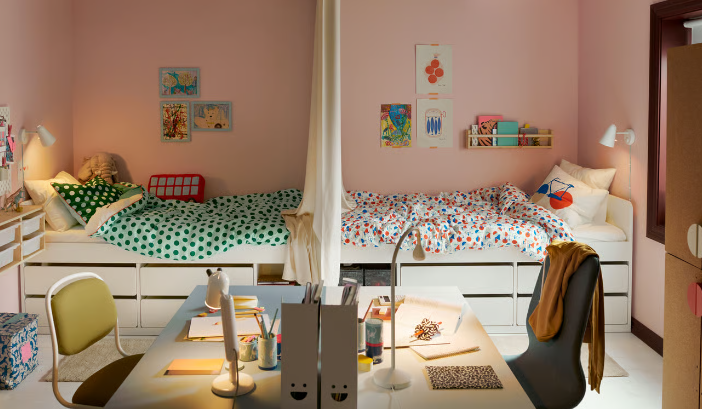
When designing a shared kids’ room, safety shouldn’t be a secondary consideration. Child-safe furniture not only enhances the overall aesthetics of the space but also ensures that the environment is secure for your little ones. Here are some essential tips and guidelines to help you choose the best furniture for a shared kids’ room.
1. Choose Non-Toxic Materials
When selecting furniture for children’s rooms, it’s crucial to prioritize non-toxic materials. Many conventional furniture options are made from materials that emit harmful chemicals known as volatile organic compounds (VOCs). These can affect indoor air quality and potentially harm your children’s health. Opt for furniture made from solid wood or certified MDF that is free from toxic glues and finishes.
Furthermore, textiles and paints used in the room should also be non-toxic. Look for furniture that is labeled as “low-VOC” or “no-VOC.” Additionally, many manufacturers now offer eco-friendly options that are safer for kids while being more sustainable for the environment. This choice not only enhances safety but also contributes to a more responsible lifestyle.
-
- Research brands that prioritize eco-friendly furniture.
-
- Look for certifications like Greenguard or OEKO-TEX.
-
- Choose solid wood over particleboard when possible.
-
- Ask for samples to test materials for harmful chemicals.
2. Opt for Rounded Corners and Soft Edges
Furniture with sharp corners poses a safety risk, especially in a shared kids’ room where space may be limited. Kids are active and curious; whether they’re running around or simply playing, the last thing you want is for them to get hurt on sharp edges. Furniture pieces like beds, tables, and shelves should ideally feature rounded corners or soft edges.
Incorporating soft materials, such as pillows and cushions, around harder surfaces can also enhance safety. Protective bumpers for sharp edges are another option, providing an added layer of security. Remember, the design should not compromise safety; it should enhance a nurturing environment that encourages play without worry.
-
- Inspect all furniture for sharp edges before purchase.
-
- Look for rounded designs wherever possible.
-
- Consider using corner guards for additional safety.
-
- Encourage safe play in the room with clear boundaries.
3. Ensure Stability and Durability
In a shared kids’ room, furniture needs to be not only safe but also durable and stable. Kids can be rough on furniture, so it’s essential to invest in items that can withstand daily wear and tear. Heavy items, like bookshelves and dressers, should be anchored to the wall to prevent tipping during playtime, especially with active siblings sharing the space.
Look for furniture that comes with a warranty, indicating that the manufacturer stands behind its durability. For example, solid wood or high-quality metals typically last longer than particleboard. In addition to longevity, stability should be a non-negotiable factor. You want to ensure that every piece of furniture can withstand whatever your children throw at it.
-
- Invest in quality furniture with good reviews.
-
- Use wall anchors for tall furniture items.
-
- Conduct stability tests on furniture before use.
-
- Regularly check for any signs of wear or damage.
4. Design with Flexibility in Mind
When it comes to shared kids’ rooms, flexibility in design is crucial. As children grow, their needs change; therefore, furniture that adapts over time is a wise investment. Consider modular furniture, which can be rearranged based on changing preferences, and can evolve along with your children’s growth.
Bunk beds, convertible desks, and storage solutions that can function in various ways allow you to create a dynamic space that remains suitable as your children age. This way, you can also maximize floor space and encourage collaboration among siblings, making the room work for everyone.
-
- Research modular furniture options.
-
- Consider multi-functional pieces, like beds with storage.
-
- Plan for growth when selecting items.
-
- Encourage kids to personalize their space.
Creating a child-safe environment in a shared kids’ room is essential for the well-being of your little ones. By selecting the right materials, ensuring stability, and designing with flexibility, you can significantly enhance safety and comfort. Take these steps to make informed choices and consult a professional if you need tailored advice on optimizing your kids’ space. Start now, and watch your children’s shared room flourish into a safe haven for growth and play!