
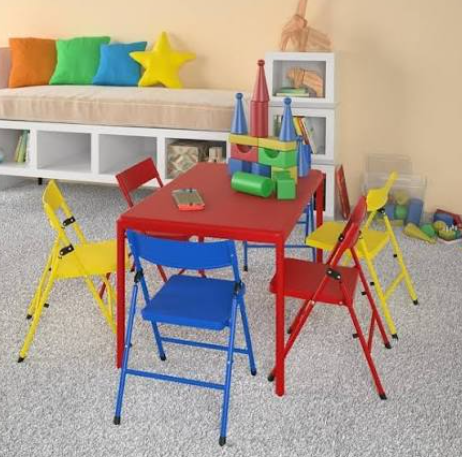
When it comes to choosing the best tables and chairs for children, safety should always be the top priority. Kids are naturally curious and energetic, which is why parents need to ensure that their furniture is both functional and secure. This blog post will explore key considerations when selecting the safest kids’ tables and chairs.
1. Material Matters
One of the most crucial factors in ensuring the safety of kids’ tables and chairs is the materials used in their construction. Opt for furniture made from non-toxic materials that comply with safety standards. For instance, furniture made from solid wood or certified safe plastic tends to be more durable and safer compared to flimsy alternatives. Additionally, check for any chemicals or finishes that might be harmful to children, especially young ones who may put objects in their mouths.
Moreover, consider the weight of the materials. Heavier furniture is less likely to tip over during play. Tables and chairs that are too lightweight can pose a risk, as excited kids can easily push or pull them around. Always look for items that have been tested for stability and durability to ensure a safe environment for your little ones.
-
- Choose solid wood or certified safe plastic.
-
- Avoid furniture with toxic finishes or paints.
-
- Check for age-appropriate materials.
-
- Test the weight stability—choose heavier options.
2. Design for Safety
Safe design is just as important as the materials used. When selecting tables and chairs for children, look for rounded edges and corners to minimize the risk of injury. Sharp edges can be dangerous, especially for toddlers who might be prone to running or playing carelessly. Many manufacturers now offer specially designed children’s furniture with soft edges, ensuring that even rambunctious playtime doesn’t turn into an accident.
Additionally, consider the height of the furniture. Tables and chairs should be appropriately sized for your child’s age and height to promote proper posture and comfort. Poor posture can lead to a variety of health issues, including back pain and poor concentration. Ensure that your child can sit comfortably with their feet flat on the ground while using the furniture.
-
- Look for rounded edges and corners.
-
- Check size and adjustability for comfort.
-
- Ensure furniture is sturdy and won’t easily tip.
-
- Choose chairs that allow feet to rest flat on the floor.
3. Stable and Secure Features
A child’s table and chairs should be stable enough to withstand active play. Look for designs that offer reinforced structures or additional bracing to prevent wobbling and tipping. You want furniture that can handle the daily hustle of arts and crafts, snack time, and everything else children throw at it. Check if the chairs have non-slip feet or rubber tips, which can enhance stability and prevent them from sliding during use.
It’s also important to ensure that chairs are designed to accommodate your child’s movements. A wide base provides better support and lessens the chance of tipping over. Some chairs even come with safety belts for younger children or rockers for added fun while promoting balance skills. Just be sure that any seatbelts are easy for adults to operate and not overly complicated for children.
-
- Look for stable, reinforced construction.
-
- Check for non-slip feet to reduce skidding.
-
- Choose chairs with a wide base for stability.
-
- Consider additional safety features like belts.
4. Easy to Clean and Maintain
Kids can be messy, and choosing tables and chairs that are easy to clean can save a lot of time and effort for parents. Look for surfaces that are wipeable or resistant to stains, such as high-quality plastic or laminate finishes. Fabrics on seating should also be machine washable or easily removable for cleaning. This ensures that hygiene is maintained, especially in a shared play space or during meals.
Additionally, consider how well the furniture holds up over time. Items that can be easily re-painted or repaired will last longer and provide a better return on your investment. Make sure any removable cushions are secured properly to avoid choking hazards and offer a comfortable seating experience.
-
- Choose wipeable surfaces for easy cleaning.
-
- Look for machine-washable or removable fabrics.
-
- Inspect for easy repair options to extend life.
-
- Regularly check for wear and tear.
5. Engaging Design and Function
While safety is paramount, it’s also essential to select furniture that engages a child’s imagination and encourages their creativity. Colorful designs, fun shapes, and interactive features can enhance the playful atmosphere of your home. A good example is a table that transforms into a drawing board or a chair that can convert into a storage unit.
Additionally, consider multifunctional pieces that can adapt as your child grows. A table that can be adjusted in height or one that can easily transition from a play area to a study space offers longevity and versatility. Encouraging your child to care for their environment can contribute positively to their development as they grow.
-
- Look for colorful designs that engage children.
-
- Choose multifunctional furniture for longevity.
-
- Explore options that adapt with child’s growth.
-
- Encourage DIY projects to personalize their space.
In conclusion, selecting the best kids’ tables and chairs for safety and functionality is an important task for any parent. Ensuring that the materials are non-toxic, the design is kid-friendly, and the features are stable and engaging will create a safe and stimulating environment. Take the time to evaluate your options and invest in quality furniture that your children will love and use safely for years to come.