
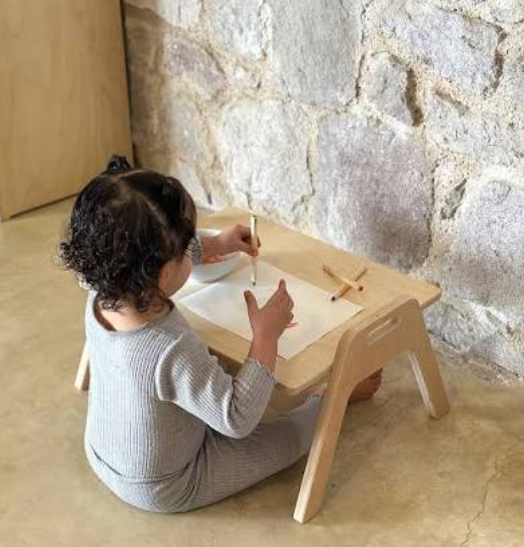
Choosing the right furniture for toddlers is crucial as it impacts their safety, independence, and comfort. Low height furniture can provide children with better access to their environment, allowing them to explore and learn more freely.
1. Benefits of Low Height Furniture
Low height furniture is specifically designed to meet the needs of toddlers, making it easier for them to reach and use items independently. This kind of furniture promotes confidence as toddlers can climb into their chairs or get items from low shelves without needing help from adults. For example, a small table and chair set can transform reading time into a fun, engaging activity where they feel in control.
Moreover, low furniture enhances safety by minimizing the risk of falls and injuries common with taller furniture. When toddlers can access their space without climbing, the chance of accidents occurring significantly decreases. Additionally, these items often have rounded edges, further ensuring a safe play area.
-
- Emphasize independence by allowing toddlers to use furniture without assistance.
-
- Choose soft materials to avoid injuries.
-
- Ensure that furniture is sturdy and stable.
-
- Look for multi-functional pieces to maximize value, such as benches that double as storage.
-
- Incorporate colors and designs that reflect your toddler’s personality.
2. Types of Low Height Furniture Options
When selecting low height furniture, there is an array of options tailored for toddlers. A common choice is a mini table and chair set that can be used for various activities like drawing, playing games, or eating snacks. These sets often come in bright colors or fun shapes, making them inviting for children. For added versatility, consider pieces that can be easily moved around, allowing toddlers to create their own play spaces.
Another popular option is low shelves specifically designed for children’s toys, books, and learning materials. These shelves enable kids to reach their favorite items independently, encouraging organization and responsibility. Not only does this foster a sense of ownership, but it also helps them learn the importance of tidiness at an early age.
-
- Choose multi-purpose items like storage benches.
-
- Opt for low, open shelving to encourage accessibility.
-
- Look for durable materials that can withstand wear and tear.
-
- Select furniture with a playful design to engage your toddler’s imagination.
-
- Consider foldable furniture for easy storage and space-saving.
3. Safety Considerations When Using Low Height Furniture
Though low height furniture is designed for toddlers, it’s essential to consider a few safety measures before introducing new pieces into your home. First, ensure that all furniture is made from non-toxic materials, as kids often put things in their mouths. Additionally, furniture should be stable and heavy enough not to tip over easily, providing a secure environment for exploration.
Another important consideration is the placement of the furniture. Ensure that items aren’t placed near windows or stairs where accidents might occur. Regularly inspect your child’s furniture to check for wear and tear, including loose screws or unstable parts, to maintain safety and functionality.
-
- Always check for safety certifications when purchasing furniture.
-
- Regularly inspect furniture for loose parts or damages.
-
- Secure any taller items to walls if they are within reach.
-
- Assess the stability of each furniture piece upon assembly.
-
- Teach children how to use furniture safely and appropriately.
4. Creating a Kid-Friendly Space with Low Height Furniture
Designing a child’s play area or room using low height furniture can be both fun and functional. Start by identifying a specific area for play activities, and then arrange the furniture to encourage movement and creativity. For instance, creating a reading nook with a small chair, a low table, and lots of books can inspire a love for reading from a young age. Alternatively, a craft area equipped with a small table set can encourage artistic expression.
Incorporating storage solutions that are easily accessible helps keep the area organized. Baskets or bins placed on low shelves allow toddlers to learn to clean up after themselves, reinforcing the importance of responsibility. Finally, adding personal touches like art pieces made by the child or family photos can create a sense of belonging and ownership in their space.
-
- Designate specific areas for different activities (reading, crafting, playing).
-
- Use vibrant colors to make the space inviting and engaging.
-
- Incorporate personalized decor that reflects the child’s interests.
-
- Ensure storage solutions are accessible for easy cleanup.
-
- Rotate toys and activities regularly to maintain engagement.
In conclusion, investing in low height furniture for toddlers can significantly enhance their independence and safety. By fostering a playful and secure environment, you allow your child to explore and learn freely. Consider assessing your space and selecting pieces that not only accommodate their needs but also promote their development.