
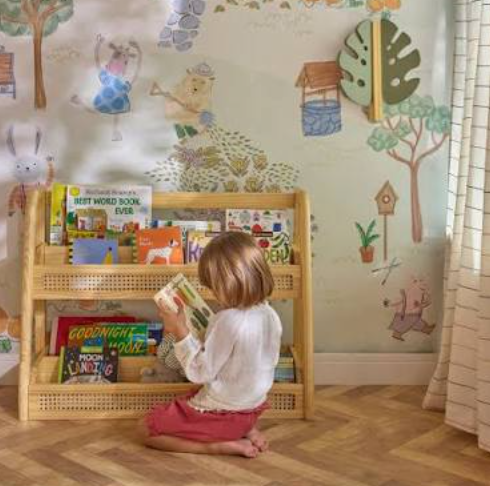
When selecting furniture for a Montessori environment, safety is a key consideration for creating a nurturing learning space. Montessori furniture is typically designed for children, promoting independence and exploration. However, understanding how to ensure that these pieces are safe can make a world of difference.
1. Choosing Safe Materials
When shopping for Montessori furniture, focus on materials that are non-toxic and child-friendly. Look for items made from solid hardwoods or certified sustainable materials that do not contain harmful chemicals. Avoid laminated particleboard and furniture treated with toxic finishes, as these can off-gas harmful substances that may affect children’s health.
In addition, look for furniture specifically designed for children’s use, which often means they are built to withstand wear and tear. For example, natural finishes are better than painted surfaces since they often avoid VOCs (volatile organic compounds). Ensure all textiles are free from flame retardants and harmful dyes, keeping the environment safe for little ones.
-
- Opt for solid wood or certified sustainable materials.
-
- Avoid laminated particleboard and toxic finishes.
-
- Prioritize furniture designed specifically for children.
-
- Choose natural finishes over painted surfaces.
-
- Ensure textiles are free from harmful chemicals.
2. Stability and Design Considerations
Stability is critical when it comes to Montessori furniture. Items like shelves, chairs, and tables should have a stable base to prevent tipping. Furniture designed to be lower to the ground helps children access items easily and prevents accidents. For instance, low shelves should be anchored to the wall if they are tall to enhance safety, allowing children to reach their learning materials while minimizing risks.
Furthermore, rounded edges and corners on furniture can dramatically reduce the risk of injuries. Choose designs that minimize sharp edges, and ensure that furniture is proportional to the child’s size to encourage independence. A stable chair that allows children to climb on and off safely will promote confidence during activities.
-
- Look for furniture with a stable design and low center of gravity.
-
- Consider anchoring tall items to the wall.
-
- Opt for rounded edges over sharp corners.
-
- Ensure that all furniture is proportional to children’s sizes.
-
- Regularly check the furniture for wear and stability.
3. Regular Maintenance and Inspection
Periodic checks on the furniture are vital to maintaining a safe environment. Over time, wear and tear can lead to instability or unsafe conditions. Look for cracks, loose screws, or worn-out parts that could pose risks, such as a chair that wobbles. Staying proactive can help prevent accidents before they occur.
Additionally, establishing a routine maintenance schedule can create a safer learning environment. Regularly clean the furniture with child-safe products to remove dust and allergens that can affect health. Educate children about the importance of treating their furniture with respect, fostering a sense of responsibility and awareness of safety.
-
- Perform regular checks for stability and wear.
-
- Establish a maintenance schedule.
-
- Use child-safe cleaning products.
-
- Educate children about furniture care.
-
- Replace or repair damaged items immediately.
In summary, ensuring the safety of Montessori furniture involves careful selection of materials and designs, regular maintenance, and creating an environment that prioritizes the wellbeing of children. By taking these steps, you create a foundation for a secure and enriching space that promotes learning and independence. Consider consulting experts in child-safe environments, so you can make informed decisions for your educational space.