
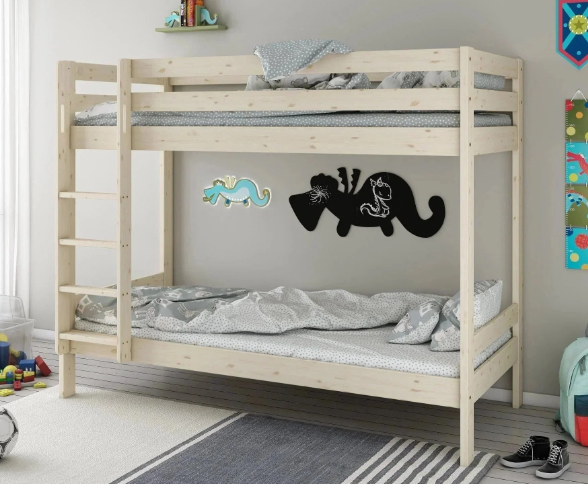
Bunk beds can be an exciting addition to any child’s room, doubling as a fun sleeping space and a cozy hideaway for play. However, safety is a paramount concern for parents when it comes to these elevated beds. This guide will provide you with essential tips to choose child-safe bunk beds that meet safety standards while accommodating your child’s needs.
1. Assessing Safety Features
The first step in buying a bunk bed is to thoroughly assess its safety features. Look for beds that come equipped with sturdy guardrails on both sides of the upper bunk. These should extend at least 5 inches above the mattress to prevent accidental falls during sleep. Additionally, check the distance between the slats and the mattress; a gap larger than 3 inches could pose a risk of entrapment.
Another vital safety feature is the ladder. Choose a bunk bed with a fixed ladder that has wide rungs and is securely attached to the bed frame. Movable or flimsy ladders can lead to accidents, especially when children use them in a hurry. Make sure the bed is made from high-quality materials like solid wood or metal to ensure longevity and sturdiness.
-
- Inspect guardrails for height and integrity.
-
- Ensure the ladder is easy to climb and fixed.
-
- Check the spacing between slats and the mattress.
-
- Choose materials recognized for durability.
2. Choosing the Right Size and Design
When selecting a bunk bed, it is crucial to make sure that the dimensions fit your child’s room and the specific needs of your child. Standard bunk beds usually have twin beds on top and bottom, but you can also find larger configurations like full-over-full or twin-over-full. Consider how much space is available for future growth to avoid needing a replacement soon as they grow.
Additionally, the design of the bunk bed can influence its functionality. Some models come with built-in storage solutions, like drawers or shelves, which can help organize toys and clothes, reducing clutter. Moreover, consider whether you prefer detachable frames that can be turned into separate beds as your children grow or if your space allows for a more permanent setup.
-
- Measure the room for height clearance.
-
- Choose a configuration that meets your child’s needs.
-
- Consider added storage for functionality.
-
- Look for beds with a detachable feature for flexibility.
3. Weight Capacity and Age Appropriateness
Another vital aspect of choosing a bunk bed is understanding its weight capacity. Each bed comes with a specified weight limit, and knowing this helps ensure that even older children or multiple kids can sleep safely without risking structural integrity. Pay attention to this factor, especially if your child is expected to grow or if siblings will share the bed.
Moreover, consider the age appropriateness of the bunk bed. Most manufacturers recommend that the top bunk is suitable for children 6 years and older. Young children can be more prone to accidents due to instability or a lack of understanding about climbing safely. Ensure that you provide supervision and review the rules for using the bed, especially for younger kids.
-
- Check the manufacturer’s weight limit.
-
- Understand age recommendations for top bunk use.
-
- Supervise younger kids using the bunk bed.
-
- Teach safety rules about climbing and playing.
4. Materials and Finishes Matter
The materials used in constructing a bunk bed can significantly impact both its safety and comfort. Solid wood is generally considered the best material for its sturdiness and aesthetic appeal, while metal frames may offer durability and a lighter option. Ensure that the materials are free from harmful chemicals, and look for beds with non-toxic finishes for added safety.
Additionally, consider the comfort of the mattress that will be used on the bunk bed. A quality mattress can provide better support and ensure a restful night’s sleep. Always verify that any mattresses fit securely within the guardrails to prevent them from slipping off, especially on the upper bunk.
-
- Select appropriate materials based on durability and safety.
-
- Check for non-toxic finishes and chemicals.
-
- Choose a quality mattress that fits well.
-
- Make sure the mattress stays secure within guardrails.
In conclusion, choosing the right bunk bed requires careful consideration of safety features, dimensions, weight capacity, and materials. By taking proper precautions and selecting a bed that suits your child’s needs, you can create a fun and safe sleeping environment. Start your research today to find the perfect bunk bed and give your child a space they will love!