
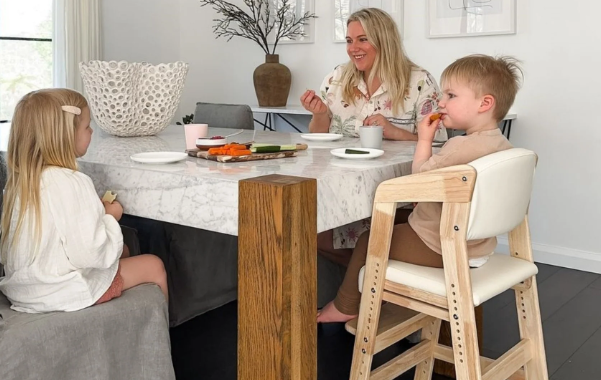
Choosing the right dining table for a family is crucial, especially when you have little ones running around. Safety and practicality must be the primary considerations, making the dining experience enjoyable for everyone. Here’s a guide to explore the best features of child-safe dining tables, ensuring peace of mind while you gather around for meals.
1. Material Matters: Choosing Safe and Durable Options
The material of your dining table plays a significant role in both safety and durability. Opt for tables made from solid wood or high-quality composites; these materials can withstand the wear and tear of everyday family life. Avoid glass or sharp-edged materials, as they could pose a risk to small children who might bump into them while playing or moving around the dining area.
Additionally, consider finishes that are non-toxic and free from harmful chemicals. Water-based finishes are a great choice as they are safer for children. For instance, many manufacturers offer tables with child-safe varnishes or paints, which are less likely to harm your little ones if they touch or even chew on the table’s surface.
-
- Choose solid wood or high-quality composite materials.
-
- Avoid glass or metal tables with sharp edges.
-
- Look for tables with non-toxic finishes.
-
- Research brands that prioritize child safety in their manufacturing processes.
-
- Consider easy-to-clean materials that resist stains and spills.
2. Design Features for Maximum Safety
When selecting a dining table, ergonomic design features can enhance safety for little ones. Rounded edges and corners are essential, as they minimize the risk of injuries during playtime or family gatherings. Some tables even come with integrated safety features, such as anti-tipping mechanisms that ensure the table remains stable even when children lean against it.
Another important design aspect is height; tables should be proportionate to your family’s needs, allowing small children to sit comfortably without too much strain. Height- adjustable tables provide flexibility, allowing the dining area to grow with your family. This feature can be especially beneficial for families with toddlers who are likely to transition to bigger furniture as they grow.
-
- Look for tables with rounded edges and corners.
-
- Check for anti-tipping designs to prevent accidents.
-
- Consider height-adjustable options for prolonged use.
-
- Test the table’s stability by leaning against it before purchasing.
-
- Prioritize designs that incorporate stability features for active family environments.
3. Easy Maintenance and Cleanability
With children, spills and messes are inevitable, so choosing a dining table that is easy to clean is crucial for busy families. Select materials that can resist stains and can be easily wiped down, such as laminate or specially treated woods. Tables with a smooth surface are also less likely to hold onto food particles, making cleanup a breeze.
Moreover, look for tables that allow for quick and easy assembly, as some may have removable parts that can be washed or replaced if necessary. This feature is particularly helpful if you’re concerned about hygiene and cleanliness in your dining area. Nestable designs can also help save space and simplify cleaning under the table.
-
- Choose materials that resist stains and easily wipe clean.
-
- Opt for smooth surfaces that don’t retain food debris.
-
- Look for tables with removable parts for easier maintenance.
-
- Consider designs that allow easy access for cleaning underneath.
-
- Evaluate whether the table’s finish repels liquids and prevents absorbing spills.
4. Style and Functionality: Balancing Aesthetic with Safety
A dining table doesn’t have to sacrifice style for safety. Many modern dining tables come with attractive designs that blend functionality with child safety. Circular or oval-shaped tables are generally good choices for accommodating children while providing enough surface area for family meals without creating sharp edges.
Additionally, versatility is essential; tables that can accommodate different activities, such as homework or arts and crafts, offer added functionality. Some tables even include built-in storage options for crayons, paper, or placemats, promoting organization while maintaining accessibility for kids.
-
- Consider round or oval tables to eliminate sharp corners.
-
- Look for tables with a versatile design to support various activities.
-
- Choose tables with integrated storage for added convenience.
-
- Maintain a balance between aesthetics and safety when selecting a design.
-
- Check the seating arrangement to ensure all family members can comfortably fit.
In conclusion, selecting the right dining table for your family is an important decision that balances style, safety, and practicality. By investing time in understanding the materials, design features, and maintenance needs, you can create a child-safe dining experience that enhances family gatherings. Take the next step and explore your options to find a dining table that perfectly fits your family’s lifestyle.