
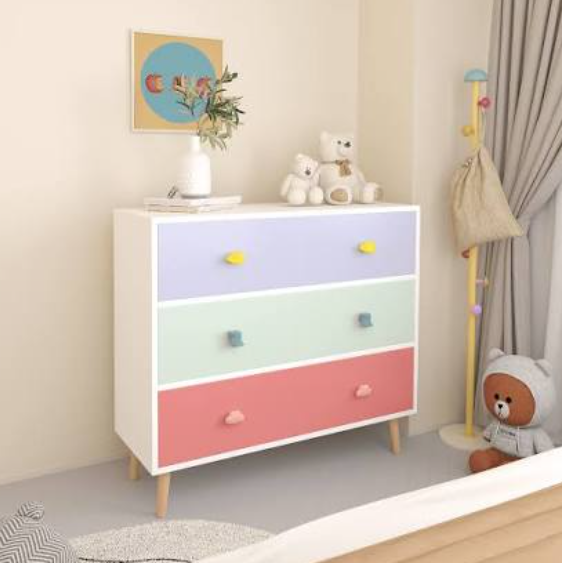
Creating a safe environment for children is a top priority for any parent. One way to enhance safety is by considering anti-tip dressers for children’s rooms. These innovative pieces of furniture are designed to prevent tipping accidents, providing peace of mind as your child explores their surroundings.
1. Understanding the Importance of Anti-Tip Dressers
Accidental tip-over incidents involving dressers are more common than many parents realize. In fact, studies show that thousands of children are injured each year due to furniture tipping over. Anti-tip dressers are specially engineered to stand securely, helping to prevent these dangerous situations. By using these dressers, parents can significantly reduce the risk of serious injuries related to furniture tipping.
Furthermore, anti-tip dressers can be designed to blend seamlessly into your home décor. Many parents worry that safety products will compromise the look of a room, but modern anti-tip dressers come in various styles, colors, and materials to suit any theme. This means you can provide safety without sacrificing aesthetic appeal.
-
- Choose a sturdy design that fits your child’s room.
-
- Regularly check the dresser for loose items that may cause instability.
-
- Consider the weight of items placed on top of the dresser.
-
- Test the stability by gently pushing the dresser before use.
2. Features to Look For in Anti-Tip Dressers
When shopping for an anti-tip dresser, there are several key features to consider. First, ensure the dresser comes with an anti-tip kit, including brackets and straps that secure the unit to the wall. This is a vital feature that enables you to anchor the dresser, minimizing the chance of tipping. Additionally, look for heavy and solid construction that can withstand the weight of heavy clothing and toys.
Another important aspect to consider is the drawer glide system. Dressers equipped with smooth gliding drawers can allow children to access their belongings easily and safely, reducing the chances of them climbing on the dresser to reach high items. Moreover, soft-close mechanisms in drawers can prevent pinching injuries, making sure that little fingers are safe at all times.
-
- Check if an anti-tip kit is included with the dresser.
-
- Look for secure wall anchoring systems.
-
- Opt for dressers with smooth gliding drawers.
-
- Consider dressers with soft-close options for added safety.
3. Installation Tips for Maximum Safety
Proper installation of an anti-tip dresser is crucial for ensuring its effectiveness. Start by following the manufacturer’s instructions carefully; this often includes the exact placements for anchors and screws. Make sure to install the anti-tip brackets securely to a wall stud, as this provides the most stability. Using drywall anchors alone can lead to weak points that might allow the dresser to tip over.
Another useful tip is to regularly inspect the installation to ensure nothing has loosened over time. As your child grows and their interest in reaching high surfaces increases, it’s essential to check that the dresser remains securely anchored. Regular maintenance can help catch any issues early, ensuring ongoing safety in the child’s room.
-
- Carefully read and follow installation instructions.
-
- Securely anchor the dresser to a wall stud.
-
- Conduct regular checks on the installation.
-
- Utilize a level to ensure the dresser is properly aligned.
4. Teaching Your Children About Safety
While anti-tip dressers are a protective measure, teaching your children about safety is equally important. Start by explaining why climbing on furniture is dangerous, and encourage them to ask for help when they need something stored high. By instilling these habits at an early age, you can empower them to make safer choices as they grow.
Additionally, involve your children in organization. By keeping their belongings within easy reach and reminding them to tidy up, you help teach responsibility and promote safety. A well-organized room reduces the temptation to climb and encourages proper use of their furniture.
-
- Discuss with your child why climbing on furniture is unsafe.
-
- Encourage them to ask for help when retrieving items.
-
- Involve them in organizing their space.
-
- Regularly remind them to keep their room tidy.
In conclusion, investing in an anti-tip dresser is a proactive step toward ensuring your child’s safety at home. By understanding the importance, features, and installation techniques, as well as incorporating lessons about safety, you can create a secure environment that nurtures exploration and independence. Start taking these steps today to safeguard your little one’s space!