
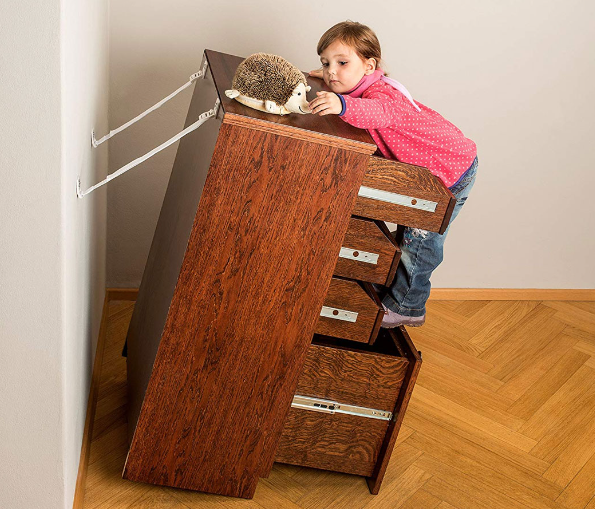
Ensuring a safe home environment is a priority for families, especially when children or pets are involved. One often overlooked aspect of safety is preventing tipping furniture. In this guide, we will explore effective strategies for securing your furniture and protecting your loved ones from potential hazards.
1. Understanding Furniture Tip-Over Risks
Tip-over accidents can occur when a piece of furniture becomes unstable, causing it to fall over. This often happens when children climb on dressers, bookshelves, or cabinets that are not properly anchored. The risks are particularly heightened with taller furniture items that have a higher center of gravity. Awareness of these risks is the first step in preventing accidents.
Statistics show that thousands of children are treated each year for injuries resulting from tip-over incidents. Most commonly, these injuries occur in bedrooms and living rooms, where unstable furniture is frequently left unsecured. Understanding these risks helps parents and caregivers take proactive measures to ensure safety within the home.
-
- Always supervise young children around furniture.
-
- Avoid placing heavy items on top shelves.
-
- Ensure furniture is appropriately sized for the space.
-
- Educate children about the dangers of climbing on furniture.
2. Securing Furniture Properly
Securing your furniture involves more than just rearranging pieces to lower their center of gravity. The best approach is to use safety straps or brackets that can anchor furniture to walls. These devices are relatively easy to install and can significantly reduce the risk of tip-over incidents. Many manufacturers include safety features, but it’s essential to check how well these features are implemented.
In addition to securing large pieces like bookshelves, dressers, and entertainment centers, consider re-evaluating smaller items that could also pose risks. For instance, nightstands or tall cabinets should not be forgotten when considering safety measures. An all-encompassing approach will ensure a safer living space overall.
-
- Install anti-tip brackets for tall furniture items.
-
- Use adhesive furniture anchors for smaller pieces.
-
- Regularly check and maintain the security of anchors and brackets.
-
- Change the furniture placement if it seems unstable.
3. Kids and Furniture Safety Education
Teaching children about furniture safety is critical in preventing accidents. Start imparting knowledge as early as possible by incorporating safety discussions into daily activities. Simple conversations about why certain behaviors, like climbing on furniture, can lead to harm will foster a safety-conscious mindset in children from a young age.
Interactive learning can enhance their understanding. For example, having children participate in safety drills—such as practicing safe play areas or implementing rules about furniture use—can instill awareness and responsibility regarding their environment. Cultivating an ongoing dialogue about safety will reinforce good habits as they grow.
-
- Establish rules about climbing and playing on furniture.
-
- Encourage safe play by providing designated areas for active play.
-
- Reinforce lessons through games or role-playing activities.
-
- Keep dangers out of reach by storing heavy or breakable items high.
4. Regular Checks and Maintenance
Even after securing furniture, regular checks are necessary to ensure everything remains safe. Over time, wear and tear can compromise the effectiveness of safety measures. Check brackets, straps, and anchors at least once every few months—and more often if you have an active household—keeping furniture safety top of mind.
Along with hardware inspections, ensure that the furniture itself is stable. If any piece of furniture begins to wobble or feel unstable, it’s crucial to address it immediately. Even minor adjustments can make a significant difference in overall safety within your home.
-
- Regularly inspect furniture anchors and installation.
-
- Look for signs of wear on furniture joints and fasteners.
-
- Replace or repair any damaged items promptly.
-
- Consider professional installation for larger pieces, if unsure.
5. Professional Help and Resources
If you’re unsure about the effectiveness of your safety measures, seeking professional help can provide peace of mind. Many home improvement stores offer advice and even installation services for anti-tip solutions. Additionally, resources like safety organizations and child safety advocacy groups provide valuable information on best practices.
Consulting with interior designers or home safety experts can also help identify potential hazards you may have overlooked. These professionals can suggest tailored strategies to secure your home more effectively, ensuring a safer environment for those you love.
-
- Research local services for furniture safety assessments.
-
- Utilize online resources and guides for hardware and tools.
-
- Join neighborhood safety forums for shared knowledge.
-
- Take advantage of community workshops on home safety.
Creating a safe environment requires continuous effort and vigilance. By understanding furniture safety, implementing necessary precautions, and engaging children in conversations about risks, you can significantly reduce the chance of accidents in your home. Consider consulting a professional for further guidance, and take the necessary steps today to secure your living space.