
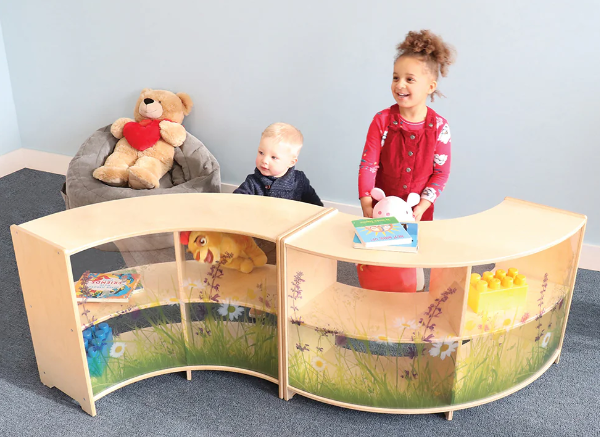
Child safety is a top priority for parents, especially when it comes to furnishing their homes. With children constantly exploring their environments, it is vital to choose furniture that minimizes the risk of injury. Rounded edge furniture is an effective way to enhance safety and peace of mind for families.
1. The Importance of Rounded Edges
Sharp furniture edges pose a significant risk to children, especially toddlers who are prone to bumps and falls. Rounded edges are designed to soften the blow, reducing the potential for serious cuts or bruises. For instance, if a child accidentally runs into the corner of a coffee table, rounded edges can help absorb the impact, making it less likely that a trip to the emergency room will be necessary.
Moreover, with children in constant motion, the risk of accidents increases substantially. By opting for furniture with rounded edges, parents can create a safer play environment. Items such as side tables, desks, and even bed frames with soft corners contribute to a family-friendly space that encourages exploration without fear.
-
- Choose furniture specifically labeled as child-friendly.
-
- Inspect all existing furniture for sharp corners.
-
- Consider using corner protectors on sharp edges.
-
- Regularly assess your child’s play area for potential hazards.
-
- Involve your child in the design of their space, focusing on safety.
2. Materials Matter: Safe Choices for Furniture
When selecting rounded edge furniture, the materials used are just as crucial as the design. Furniture made from solid wood, for instance, can provide stability and durability while ensuring safety through rounded edges. Softer materials like certain plastics or foam also offer safer alternatives, especially in the case of children’s play structures and toys.
It’s essential to avoid materials that contain harmful chemicals, such as toxic varnishes or finishes. Look for certifications like GREENGUARD or FSC (Forest Stewardship Council) that indicate products are safe for children. For example, furniture made from low-VOC (volatile organic compounds) materials is much safer for children, promoting better air quality and health.
-
- Research the material safety of any furniture before purchase.
-
- Opt for natural materials whenever possible, such as wood or bamboo.
-
- Avoid furniture made from pressed wood or MDF that could off-gas chemicals.
-
- Choose finishes that are non-toxic and child-safe.
-
- Ensure furniture is stable and won’t tip over easily.
3. Creating a Child-Safe Environment with Rounded Edge Furniture
Integrating rounded edge furniture into your home isn’t just about individual pieces; it’s about creating an overall child-safe environment. Arranging furniture in a way that minimizes the risk of falls is an essential part of childproofing your space. For example, placing softer furniture items like ottomans near sharper furniture can act as a buffer.
Additionally, consider the height and placement of furniture in relation to your child’s activity levels. Low-profile pieces enable children to play safely without climbing onto dangerous surfaces. Creating designated play areas with rounded edge furniture can help establish boundaries while ensuring comfort and safety.
-
- Designate safe play areas away from sharp corners.
-
- Use furniture layout to create open spaces for movement.
-
- Keep heavy items like bookcases anchored to walls.
-
- Regularly revise the room layout as your child grows.
-
- Encourage your child to play face-up in the safe zones.
4. Benefits Beyond Safety
While safety is the primary concern, rounded edge furniture also offers a variety of aesthetic benefits. Soft shapes can create a more inviting atmosphere in your home, adding warmth and cohesion to your interior design. For example, rounded coffee tables or end tables can complement various decorating styles, from cozy rustic to modern minimalist.
Furthermore, rounded edge furniture often promotes lasting investment. Many pieces designed with children in mind are built to withstand significant wear and tear. Investing in quality rounded edge furniture can prove beneficial in the long run, as these items can transition from child-friendly spaces to more adult-oriented areas as children grow.
-
- Choose color schemes that match the playful environment.
-
- Mix rounded furniture with various textures for visual interest.
-
- Consider multifunctional pieces that adapt as your child grows.
-
- Use rounded edge furniture to create a cohesive design theme.
-
- Choose styles that complement your existing décor.
In conclusion, opting for rounded edge furniture is a proactive step toward ensuring child safety in your home. By selecting materials wisely, creating a thoughtfully arranged environment, and considering aesthetics, you can create a safe and welcoming space for your children. Embrace this opportunity to invest in your child’s safety and well-being today.