
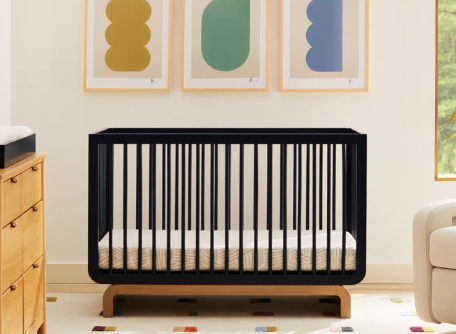
Creating a safe and nurturing environment for your little one starts with choosing the right nursery furniture. A well-furnished nursery not only ensures comfort but also prioritizes safety. This guide will help you make informed decisions when purchasing child-safe nursery furniture.
1. Understanding Safety Standards
Before buying any nursery furniture, it’s essential to familiarize yourself with safety standards. Organizations like the Consumer Product Safety Commission (CPSC) and American Society for Testing and Materials (ASTM) set rigorous guidelines to ensure children’s furniture is safe for use. Products that meet these standards often have certification labels, which can give you peace of mind.
Look for furniture that has passed safety tests for stability and quality. For instance, cribs must adhere to specific spacing requirements between slats to prevent entrapment. Checking these standards will help you select furniture that will keep your child safe as they grow.
-
- Check for certification labels from CPSC and ASTM.
-
- Research recalls for specific furniture items.
-
- Read reviews regarding safety from other parents.
-
- Inspect furniture for sharp edges or small parts that could be hazardous.
2. Material Matters: Choosing Safe Materials
The materials used in nursery furniture play a significant role in your child’s safety. Opt for non-toxic, hypoallergenic materials to safeguard against harmful chemicals found in finishes and coatings. Solid wood is a popular choice due to its durability, while products labeled as free from lead and phthalates are highly recommended.
Additionally, consider the type of finishes used. Water-based or food-grade finishes are generally safer compared to oil-based versions, which often contain more volatile organic compounds (VOCs). By selecting appropriate materials, you ensure that the nursery remains a safe haven for your baby.
-
- Search for solid wood constructions over MDF or particle board.
-
- Prioritize water-based, non-toxic finishes.
-
- Confirm products are free from harmful chemicals.
-
- Inquire about certifications that prove material safety.
3. Functionality and Design: Balancing Safety with Style
While safety should be your top priority, the functionality and design of nursery furniture are also paramount. Consider pieces that provide adaptability, like cribs that convert into toddler beds or changing tables that transform into storage units. These multifunctional designs offer longevity, accommodating your child’s growing needs.
Additionally, the layout of your nursery should prioritize accessibility and ease of use. Items like dressers and changing tables should be at a height where you can comfortably reach your child without stretching or bending awkwardly. This not only promotes a more efficient routine but also minimizes the risk of accidents.
-
- Choose convertible furniture to extend the lifecycle of your purchase.
-
- Opt for furniture that serves multiple purposes.
-
- Arrange furniture to allow easy movement and access.
-
- Ensure heavy items are secured to prevent tipping.
4. Ergonomic Considerations: Prioritizing Comfort and Safety
Ergonomics is essential in designing a safe and user-friendly nursery. Select furniture that promotes healthy posture, especially for yourself while conducting tasks such as feeding or changing diapers. A comfortable glider or rocking chair can also foster bonding time, while a well-placed changing table can reduce awkward bending and strain on your back.
Pay attention to the height and dimensions of each piece. Ensure that the crib height allows for easy access without lifting heavy, especially if you’ve had a C-section or are healing from childbirth. Remember, every little detail adds to the overall comfort and safety of your nursery environment.
-
- Select furniture that facilitates comfortable interactions.
-
- Test the height of items like cribs and changing tables before purchase.
-
- Consider cushions or ergonomic support for your seating.
-
- Look for soft-close mechanisms to avoid pinched fingers.
Creating a safe nursery for your child is a thoughtful process involving careful consideration of various factors. By understanding safety standards, selecting appropriate materials, balancing functionality with design, and prioritizing ergonomic considerations, you will be well-equipped to make the best choices. Take the next step and start building a nurturing and safe space for your little one today!