
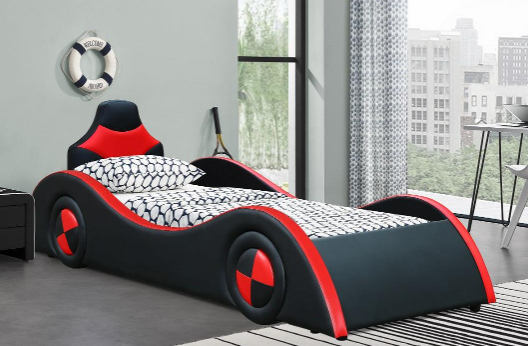
Creating a safe bedroom for young children is essential for their well-being and development. One key aspect of this is choosing the right furniture, which not only enhances the room’s aesthetics but also prioritizes safety. Here, we will explore some vital considerations when selecting child-safe bedroom furniture.
1. Choosing Non-Toxic Materials
When it comes to children’s furniture, selecting pieces made from non-toxic materials is crucial. Many standard furniture items can be manufactured using harmful chemicals like formaldehyde or heavy metals. Look for products that are labeled as low-VOC (volatile organic compounds) or free from harmful substances to ensure a healthy environment for your child.
Additionally, consider the origin of the materials used in the furniture. For example, solid wood furniture often has fewer toxic finishes compared to particleboard or MDF, which can contain glues and adhesives that release harmful chemicals. Brands that prioritize eco-friendly production methods are worth considering for their commitment to safety and environmental responsibility.
-
- Check for certifications such as GREENGUARD or ANSI/BIFMA for safety standards.
-
- Opt for organic cotton or natural fabrics when choosing upholstery.
-
- Research brands that specialize in sustainable children’s furniture.
-
- Avoid items with strong chemical odors; these may indicate harmful chemicals.
-
- Ask retailers about the materials used in construction and finishes.
2. Ensuring Stability and Durability
Stability and durability are essential features in child-safe bedroom furniture. Young children are naturally curious and often climb or jump on furniture, so items like beds and dressers should be sturdy enough to withstand their playful behavior. Ensure that any heavy furniture is anchored to the wall to prevent tipping, particularly in small spaces where children often play.
Consider buying furniture designed for children specifically, as it is often constructed to meet safety standards that adults’ furniture may not. For beds, look for low-profile models that are closer to the ground, making it easier for small children to get in and out safely. Additionally, avoid furniture with sharp edges or unstable components that could pose a risk of injury.
-
- Choose wide and low furniture designs for better stability.
-
- Regularly check and tighten screws or joints to ensure durability.
-
- Always use wall anchors to secure tall furniture pieces.
-
- Perform periodic checks for wear and tear, replacing any faulty pieces.
-
- Be cautious with glass or mirrored furniture, as these can shatter easily.
3. Designing for Accessibility and Organization
A child’s bedroom should not only be safe but also easy for them to navigate and organize. Furniture that promotes accessibility helps children learn to put away their toys and clothes independently, fostering a sense of responsibility. Consider incorporating storage solutions that are at their height level, such as low shelving units or toy boxes with easy-to-open lids.
Using organized structures can keep the space clutter-free, reducing the risk of tripping and falling accidents. Colorful storage bins or labeled drawers make it easier for kids to know where everything belongs. This level of organization allows children to maintain their space and encourages good habits that last into their teen years.
-
- Utilize open shelving to promote visibility and accessibility.
-
- Incorporate multi-functional furniture, like beds with built-in storage.
-
- Use clear bins or labels for easy identification of items.
-
- Regularly declutter to maintain an organized living space.
-
- Ensure any storage units are stable; avoid stacking items too high.
4. Selecting Appropriate Styles and Sizes
Furniture size plays a crucial role in safety. It’s essential that furniture is suitable for the child’s age and size. For toddlers, smaller, lower-profile furniture is safer and promotes independence, while older children can benefit from larger, more versatile pieces designed for their growing needs. It’s advisable to adapt the furniture to fit your child as they grow, to avoid premature replacements.
Style is also an important consideration. Select furniture that complements the room’s overall aesthetic but is also functional. Bright colors and playful designs can make a room inviting, while classic styles can evolve as your child ages. However, prioritize function over form, ensuring any style adheres to all safety guidelines.
-
- Choose furniture that can grow with your child to maximize investment.
-
- Test furniture size by making sure your child can easily use it.
-
- Avoid overly ornate furniture that may distract from safety features.
-
- Stay clear from high beds or lofts without adequate safety measures.
-
- Personalize, but keep practicality in mind for easy future adjustments.
In conclusion, equipping your child’s bedroom with safe and appropriate furniture is a fundamental part of child-rearing. By focusing on non-toxic materials, stability, organization, and suitable styles, you can create a haven for your child’s growth and play. Consult professionals or local retailers specializing in children’s furniture to get the best options tailored to your needs.